
 EN
EN
 ar
ar bg
bg hr
hr cs
cs da
da nl
nl fi
fi fr
fr de
de el
el hi
hi it
it ko
ko no
no pl
pl pt
pt ro
ro ru
ru es
es sv
sv tl
tl iw
iw id
id lv
lv lt
lt sr
sr sk
sk sl
sl uk
uk vi
vi et
et hu
hu th
th tr
tr fa
fa ms
ms hy
hy ka
ka ur
ur bn
bn mn
mn ta
ta kk
kk uz
uz ku
ku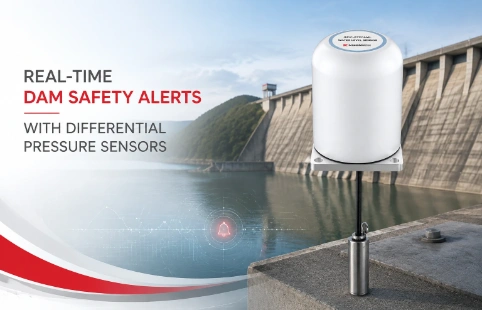
Real-Time Dam Safety Alerts with Differential Pressure Water Level Sensors
Key Takeaways An alert chain needs more than a sensor: define field in...

Introductory Weir Flow Meters for Everyday Flow Measurement
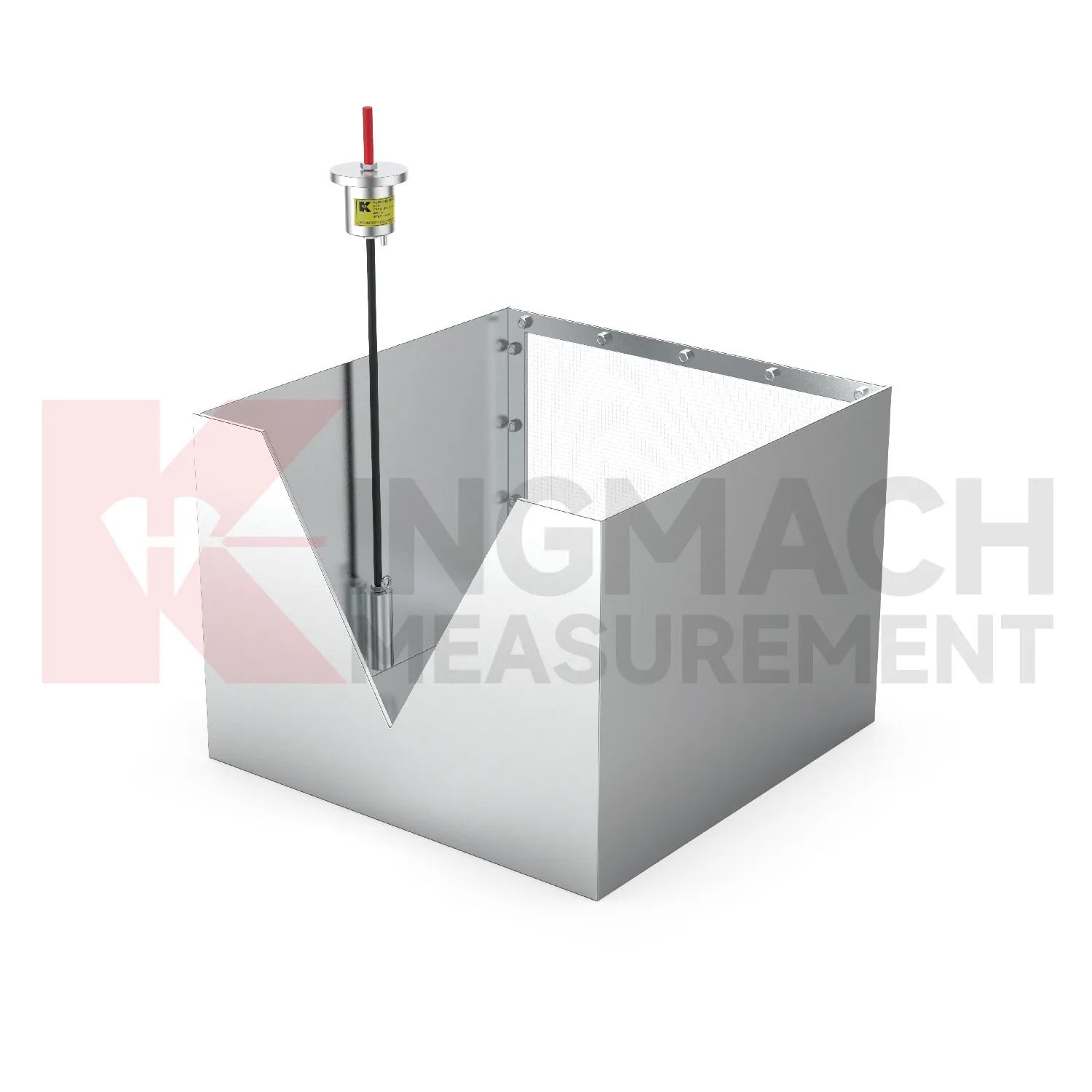
Measuring flow in open channels doesn’t need a lot of fuss. A weir flow meter gives you a straightforward way to track water in irrigation ditches, treatment plant outfalls, or environmental monitoring stations. Kingmach has been supplying geotechnical and hydrological instruments for a long time, and our introductory weir flow meters are put together for people who just need consistent numbers without breaking the budget. The idea is simple: a carefully shaped notch in a plate dam the flow upstream, and a level sensor converts the head into flow rate. It’s a method that’s been around for a century and still works fine for many applications. We keep the design practical—standard materials like stainless steel or PVC, compact enough to mount in small channels, and compatible with common transmitters. If your site has specific dimensions or mounting constraints, we can tailor the plate and stilling well. With our global network, you’ll get someone to talk to when you need it. No hype, just a tool that does the job.
Technical Detail
Kingmach’s introductory weir flow meters stick to the essentials. They use thin-plate weir structures built to common notch profiles—rectangular, V-notch, or trapezoidal—based on widely published discharge equations. This means you can install one and start getting flow readings without elaborate on-site calibration. Our standard packages include a well-crafted weir plate, a bracket system for easy mounting in concrete or earthen channels, and a float-type or submersible level sensor matched to the expected head range. Output options are usually 4-20mA or Modbus, feeding straight into your existing PLC or logger. Accuracy in the field typically sits within a few percent, which is enough for process control or billing applications where a ±2—5% error band is acceptable. Where things get a bit more tailored: plate thickness can be adjusted for debris-heavy flows, the stilling well size can be modified for turbulent inlets, and we can coat plates with epoxy or other finishes for corrosive waters. Because we manufacture a wide range of monitoring instruments, you get a supplier who understands the broader measurement chain, not just the weir. We also keep common spare parts in stock, so you aren’t stuck waiting. Whether it’s a small V-notch for a spring measurement or a wide rectangular weir for a canal, we work with you to match the hydraulics to your actual flow range. Support is available from our technical team at any stage, from initial sizing to field wiring. It’s not the most advanced flow meter out there, but if you need something that works and keeps working, it’s worth a look.
News
Key Takeaways An alert chain needs more than a sensor: define field in...
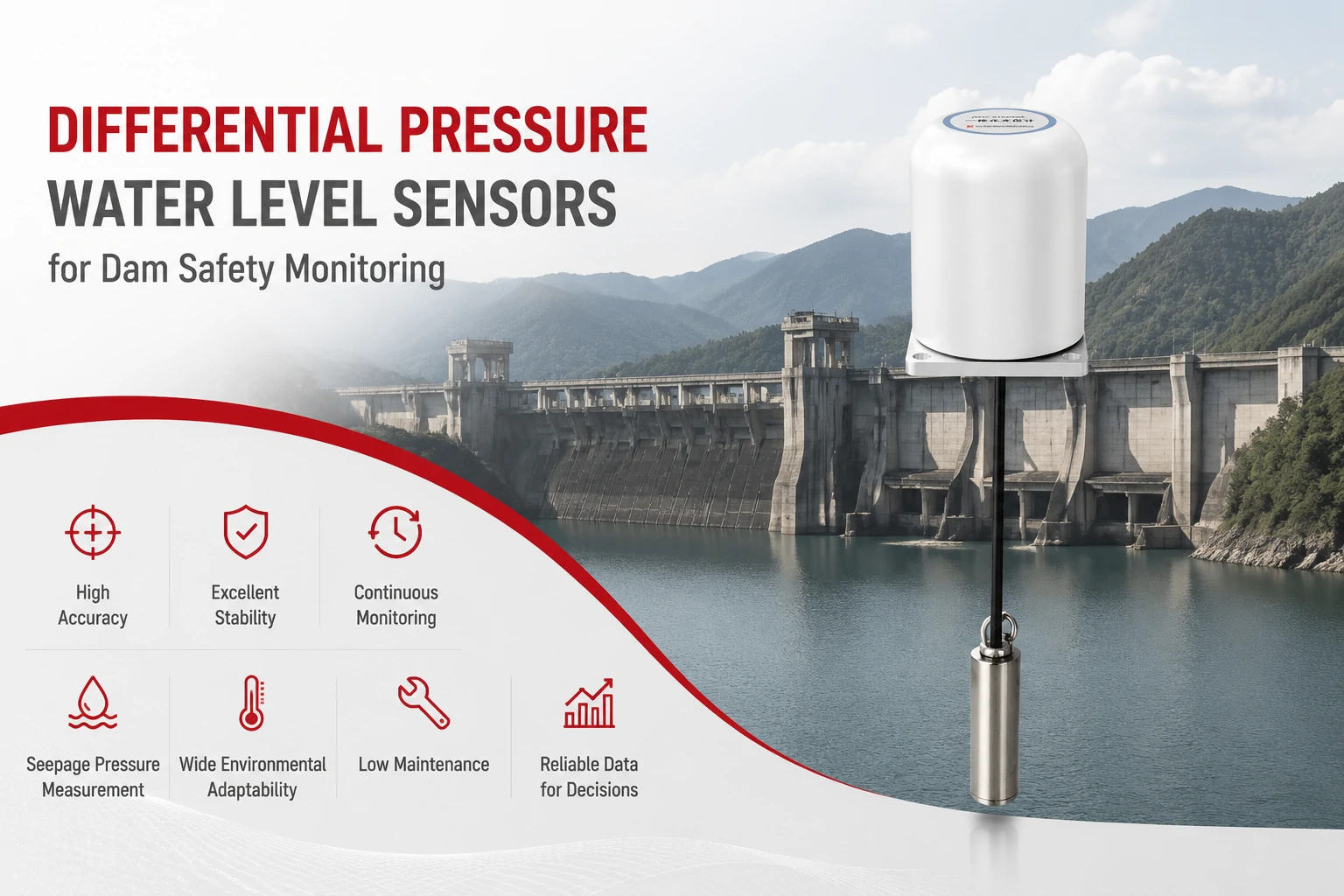
Key Takeaways The strongest fit is usually a confined, submerged, or s...
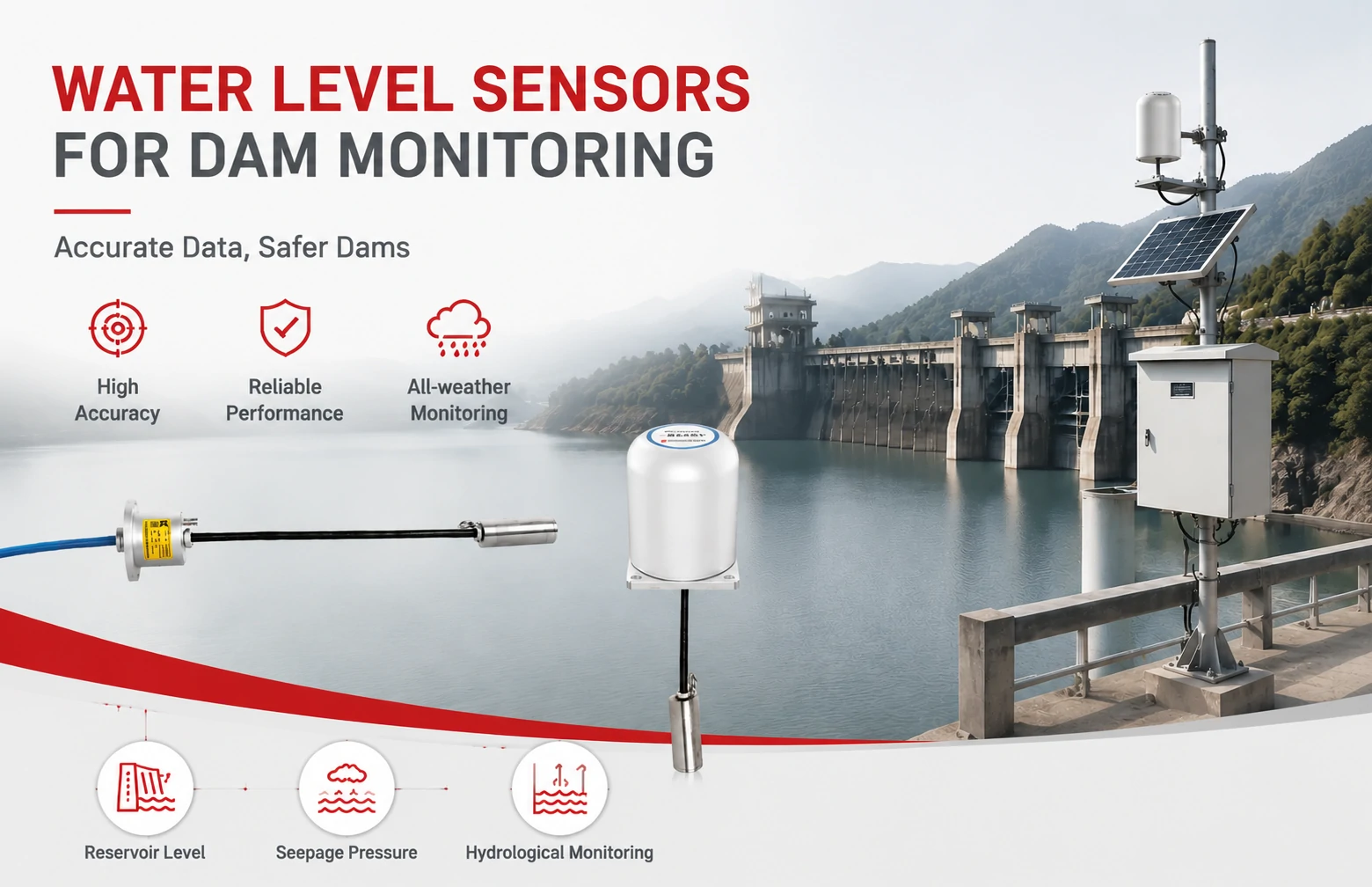
Kingmach Water Level Sensors for Dam Monitoring: A Buyer's Guide to Differential Pre...
Products
FAQ
A weir creates a dam that forces all the flow through a sharp notch, giving a precise head-flow relationship but with some upstream water level rise. A flume constricts the flow without full damming, so head loss is lower and it handles solids better. Weirs are usually simpler and cheaper for clean water, while flumes are often preferred for wastewater with debris.
It depends on your expected flow range and channel dimensions. V-notch weirs are good for very small flows and give good accuracy at low heads. Rectangular weirs work for larger flows and wider channels. Our application engineers can size it for you based on your minimum and maximum flow rates; we just need the channel cross-section and typical water levels.
Yes, with the right materials. Standard stainless steel 304 holds up fine in freshwater, and PVC or fiberglass options handle mild chemical exposure. For harsh environments, we can suggest thicker plates or protective coatings. The level sensor should be selected for the specific exposure—submersible transmitters with polyurethane cable last many years if installed correctly.
Usually not in-field calibration if the weir is built to a standard shape and installed properly. The flow equation is based on the notch geometry and measured head. You do need to zero the level sensor correctly and make sure the approach channel is straight and not too turbulent. We provide installation guides and remote support to help with that.
Share your product type, target capacity, and application requirements. Our team can review the details and recommend a practical next step.
If you are interested in our products or want to become our partner.
Please leave your contact information, our team will contact you as soon as possible.
Mail: [email protected]
Contact Us: +8613808434127
Address: No. 188 Tongzipo West Rd, Changsha, Hunan, China