
 EN
EN
 ar
ar bg
bg hr
hr cs
cs da
da nl
nl fi
fi fr
fr de
de el
el hi
hi it
it ko
ko no
no pl
pl pt
pt ro
ro ru
ru es
es sv
sv tl
tl iw
iw id
id lv
lv lt
lt sr
sr sk
sk sl
sl uk
uk vi
vi et
et hu
hu th
th tr
tr fa
fa ms
ms hy
hy ka
ka ur
ur bn
bn mn
mn ta
ta kk
kk uz
uz ku
ku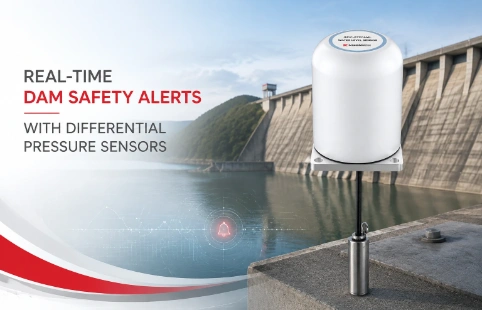
Real-Time Dam Safety Alerts with Differential Pressure Water Level Sensors
Key Takeaways An alert chain needs more than a sensor: define field in...

Vibration Sensors for Reliable Geotechnical Monitoring
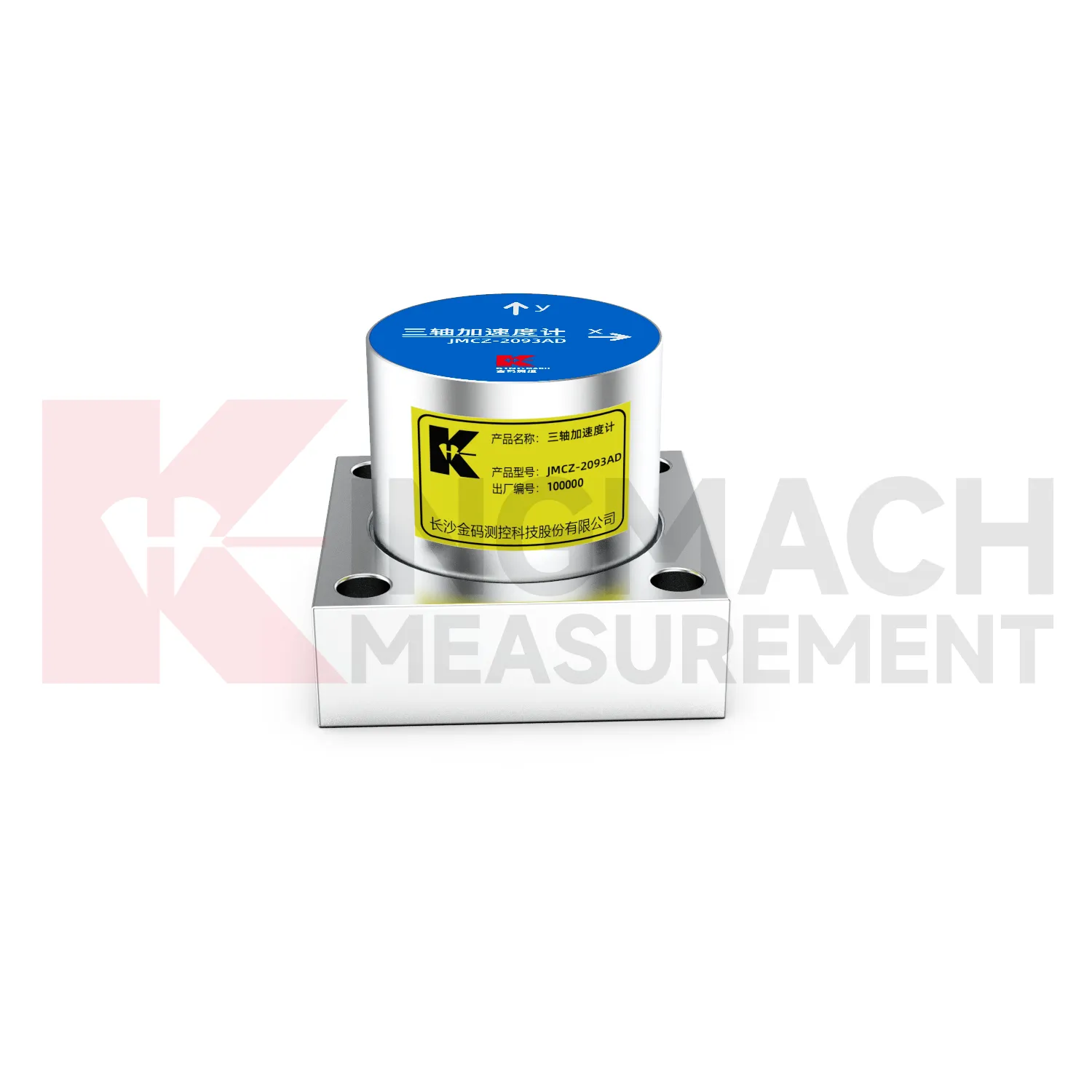
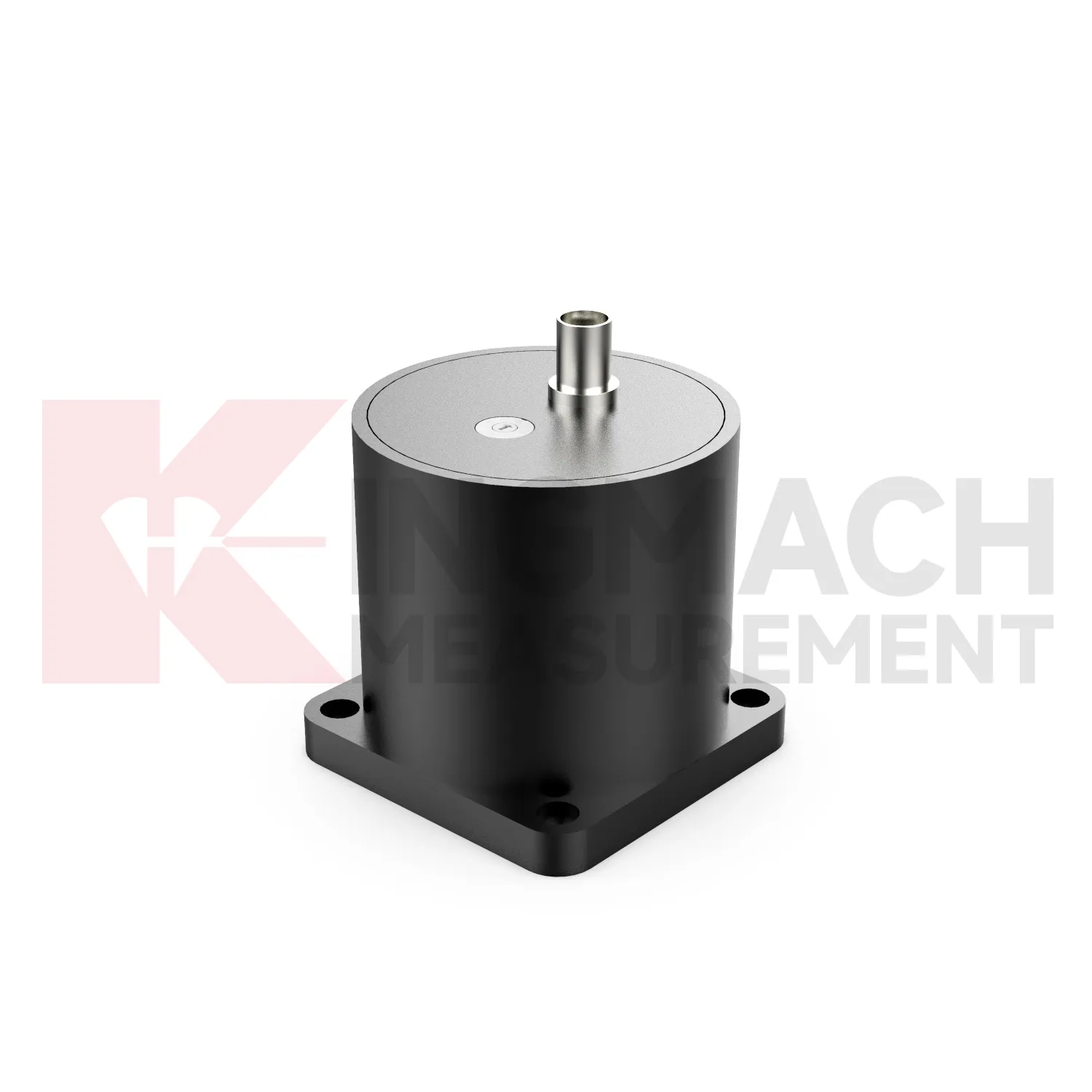
Monitoring ground vibrations in construction, mining, and infrastructure projects isn’t just about data collection—it’s about spotting problems before they escalate. Kingmach’s vibration sensors are built for that practical reality. We focus on instruments that survive long-term deployment while delivering consistent measurements. From blast monitoring to machinery vibration tracking, these sensors help engineers make informed decisions without unnecessary complexity. Our lineup draws on decades of geotechnical instrumentation experience, covering everything from simple piezoelectric accelerometers to more specialized geophones. Each unit comes with practical mounting hardware and straightforward cabling; we can also adapt frequency ranges or output signals to your specific setup. Whether you’re protecting a heritage building from nearby pile driving or tracking seismic activity near a dam, a dependable vibration sensor is the starting point. And because we manufacture in mid-range volumes, you get professional-grade performance without the premium price tag. In the following sections, we’ll walk through how these instruments work, what makes them different, and the kinds of projects they suit best.
Technical Detail
Vibration sensors from Kingmach measure dynamic movement in soil, rock, and structures. The heart of the instrument might be a piezoelectric crystal, a MEMS chip, or a geophone coil, depending on the frequency range and resolution you need. Most models use stainless steel or aluminum alloy housings with O-ring seals, rated for IP67 or higher in standard configurations. Cable exits are strain-relieved, and mounting studs or magnetic bases are usually included. For applications like blast vibration monitoring, long-term tunnel deformation, or structural modal analysis, the sensor must deliver repeatable data despite temperature swings and moisture. That’s why we test every batch for linearity and cross-axis sensitivity before shipping. As a mid-range manufacturer, Kingmach bridges the gap between high-cost scientific instruments and entry-level devices that can’t hold calibration. We also invest heavily in customer support. If a standard vibration sensor doesn’t match your soil conditions or data logger input, we can adjust scaling factors, add signal conditioning, or change the connector. Many global distributors stock our most popular models, with technical training provided to local teams. After-sales service includes recalibration reminders and repair options, so your monitoring program stays continuous. For site-wide installations, we often supply custom cable lengths and junction boxes to simplify field wiring. The result is a practical, durable sensor that fits into both permanent monitoring systems and temporary test campaigns.
News
Key Takeaways An alert chain needs more than a sensor: define field in...
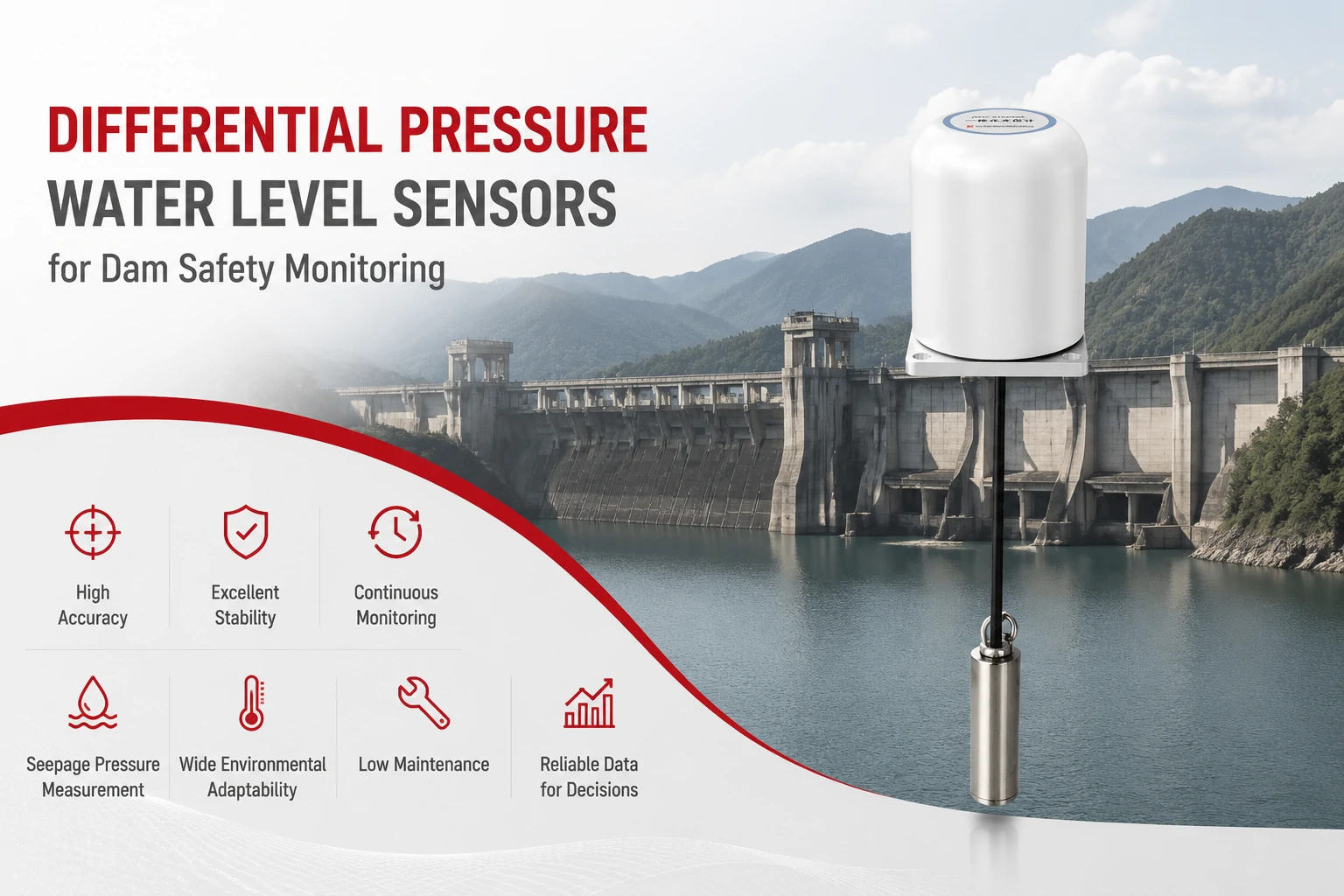
Key Takeaways The strongest fit is usually a confined, submerged, or s...
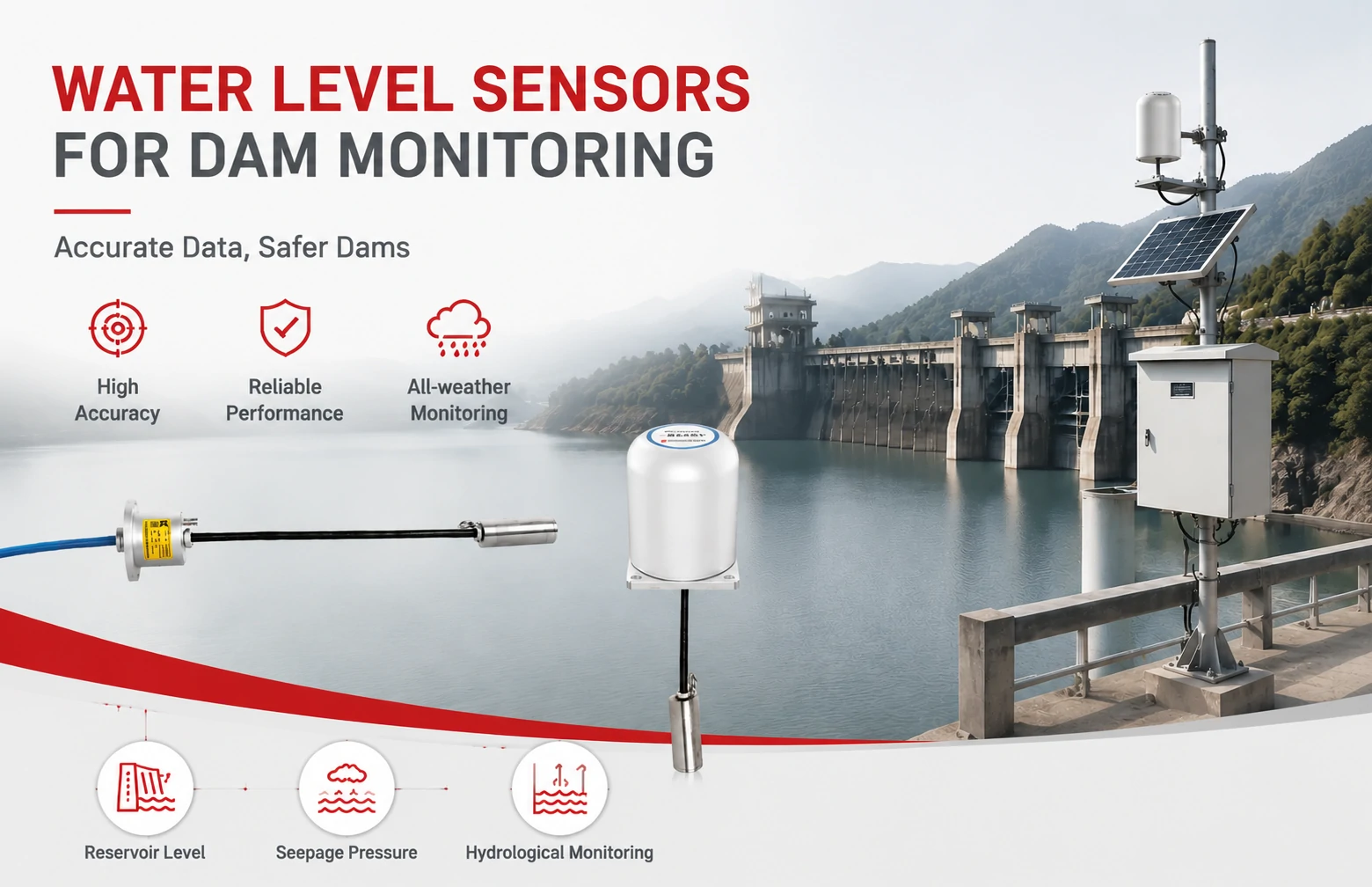
Kingmach Water Level Sensors for Dam Monitoring: A Buyer's Guide to Differential Pre...
Products
FAQ
We supply piezoelectric accelerometers, geophones, and MEMS sensors. Piezoelectric types suit higher frequencies and impacts, while geophones are common for low-frequency ground vibrations. MEMS sensors offer a mid-range balance with DC response capability. Your selection mainly depends on the target frequency range and the data acquisition system’s input characteristics.
Yes, we frequently adjust full-scale range, sensitivity, frequency bandwidth, and output type (e.g., voltage, 4–20 mA, or digital). Custom housings for deep borehole installation, different cable lengths, and specialized mounting brackets are also standard requests. Just send your specification sheet, and we’ll confirm feasibility.
Standard enclosures are sealed to IP67 or higher, with corrosion-resistant materials. The internal electronics are potted against shock and condensation. For extreme environments like offshore platforms or areas with high hydrogen sulfide, we can upgrade seals and connector materials. They’ve been used in tropical, arctic, and desert projects without unusual failure rates.
Standard outputs are analog voltage (typically ±5V or ±10V) or 4–20 mA current loop. If your logger requires IEPE (ICP) sensor powering, we have compatible versions. For digital integration, we can suggest Modbus or SDI-12 converters. Our application notes cover wiring basics, and we’ll review your setup before shipping if there’s any doubt about compatibility.
Every vibration sensor ships with a calibration certificate traceable to national standards. We also offer periodic recalibration services and can arrange on-site verification in some regions. Technical support is available by email and video call during your installation and data interpretation stages. Spare parts like cable assemblies and mounting studs are kept in stock for quick delivery.
Share your product type, target capacity, and application requirements. Our team can review the details and recommend a practical next step.
If you are interested in our products or want to become our partner.
Please leave your contact information, our team will contact you as soon as possible.
Mail: [email protected]
Contact Us: +8613808434127
Address: No. 188 Tongzipo West Rd, Changsha, Hunan, China