
 EN
EN
 ar
ar bg
bg hr
hr cs
cs da
da nl
nl fi
fi fr
fr de
de el
el hi
hi it
it ko
ko no
no pl
pl pt
pt ro
ro ru
ru es
es sv
sv tl
tl iw
iw id
id lv
lv lt
lt sr
sr sk
sk sl
sl uk
uk vi
vi et
et hu
hu th
th tr
tr fa
fa ms
ms hy
hy ka
ka ur
ur bn
bn mn
mn ta
ta kk
kk uz
uz ku
ku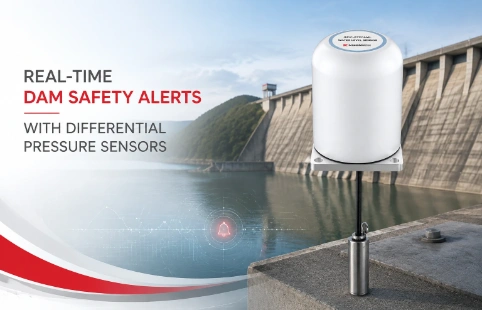
Real-Time Dam Safety Alerts with Differential Pressure Water Level Sensors
Key Takeaways An alert chain needs more than a sensor: define field in...

Load Cell Strain Gauge Solutions by Kingmach
A load cell is only as good as the strain gauge inside it. Engineers often see failures traced back to gauge creep, poor temperature compensation, or installation flaws. That is why the strain gauge itself matters so much. At Kingmach Measurement & Monitoring Technology Co., Ltd., we manufacture load cell strain gauges with a focus on long-term stability and custom adaptability. Our factory produces foil-type gauges in common resistances like 350 Ω and 1000 Ω, and we regularly handle special requests for unusual patterns, backing materials, or self-temperature-compensated alloys. From truck scales to tank weighing, the same gauge design principles apply: consistent gauge factor, low hysteresis, and repeatable bonding. We supply both standard gauges for new sensor builds and repair gauges for field service. With distribution partners in over 20 countries and an engineering team that can review your application, you get more than a component—you get a supply partner that understands weighing.
Technical Detail
Kingmach produces load cell strain gauges for a broad range of industrial and geotechnical force measurement tasks. Typical resistance options cover 120 Ω, 350 Ω, 700 Ω, 1000 Ω, and up to 5000 Ω, all with gauge factors around 2.0–2.1. Backing materials include polyimide for general-purpose and modified phenolic for higher temperature stability. Our grid alloys are primarily constantan and Karma, selected for their thermal and fatigue properties. We control critical parameters like transverse sensitivity and creep compensation through foil pattern design, not just after-the-fact correction. For customers needing sealed gauges for damp or chemically aggressive environments, we offer encapsulation options during manufacture. Because we also build complete load cells, we understand how gauge positioning, bonding agent selection, and curing cycles affect final sensor performance. This integration capability allows us to supply pre-wired gauges on flexures or custom-shaped elastic elements, cutting assembly time at your end. Kingmach supports small prototype quantities and larger production batches, with lead times depending on gauge complexity and order volume. Technical documentation includes installation guidelines, thermal data, and resistance tolerance specifications. Our global network means replacement gauges and technical support are reachable in multiple time zones.
News
Key Takeaways An alert chain needs more than a sensor: define field in...
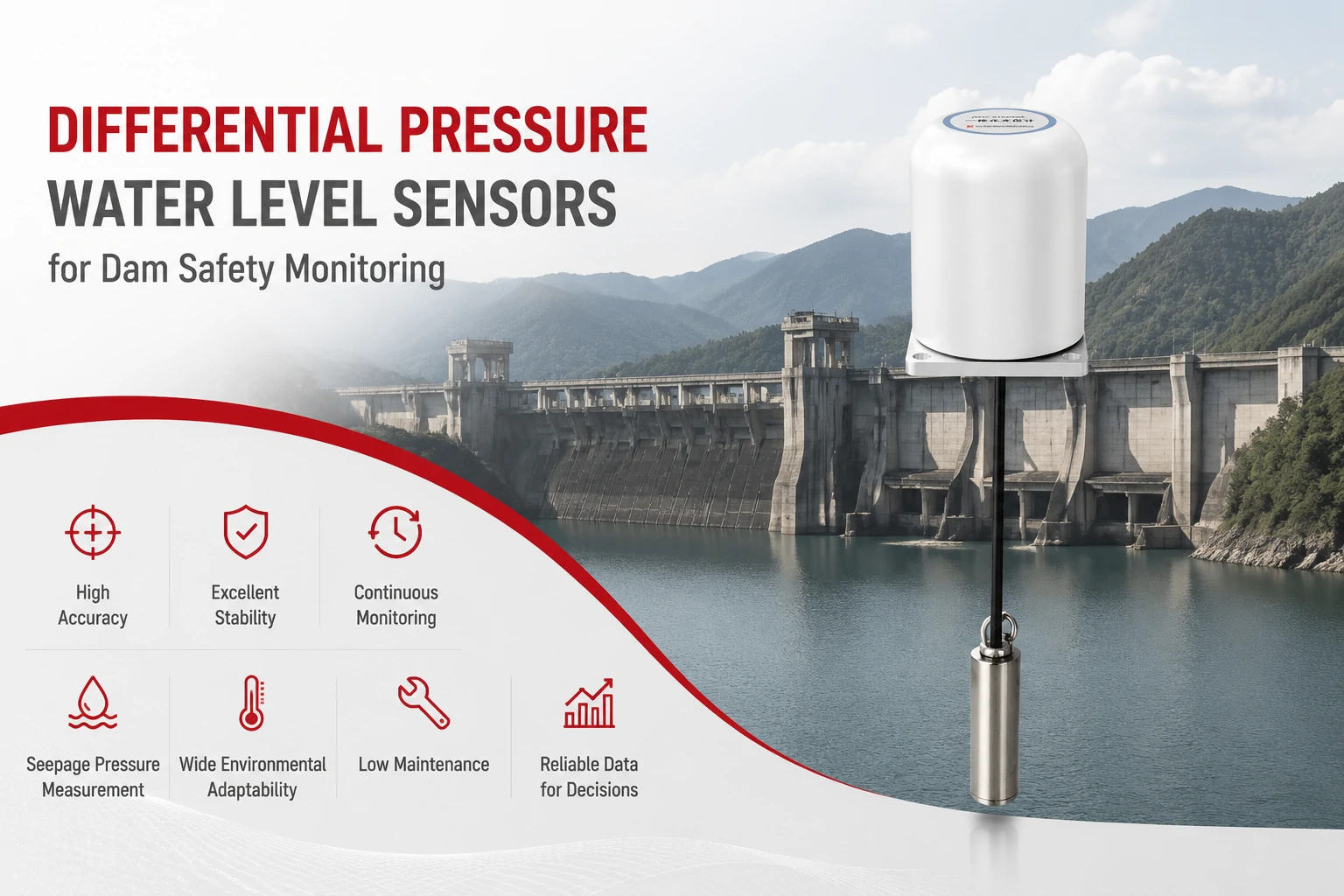
Key Takeaways The strongest fit is usually a confined, submerged, or s...
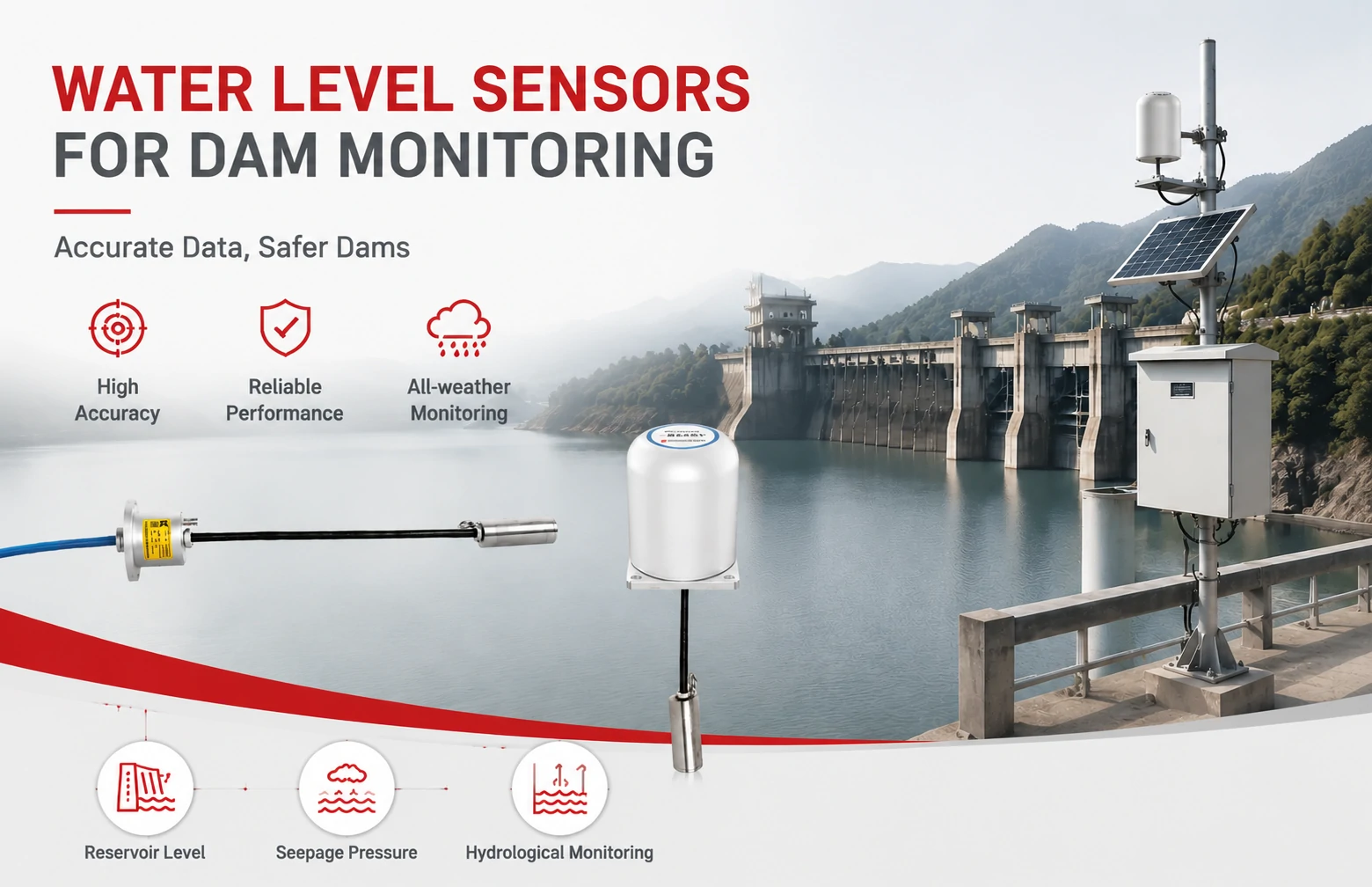
Kingmach Water Level Sensors for Dam Monitoring: A Buyer's Guide to Differential Pre...
Products
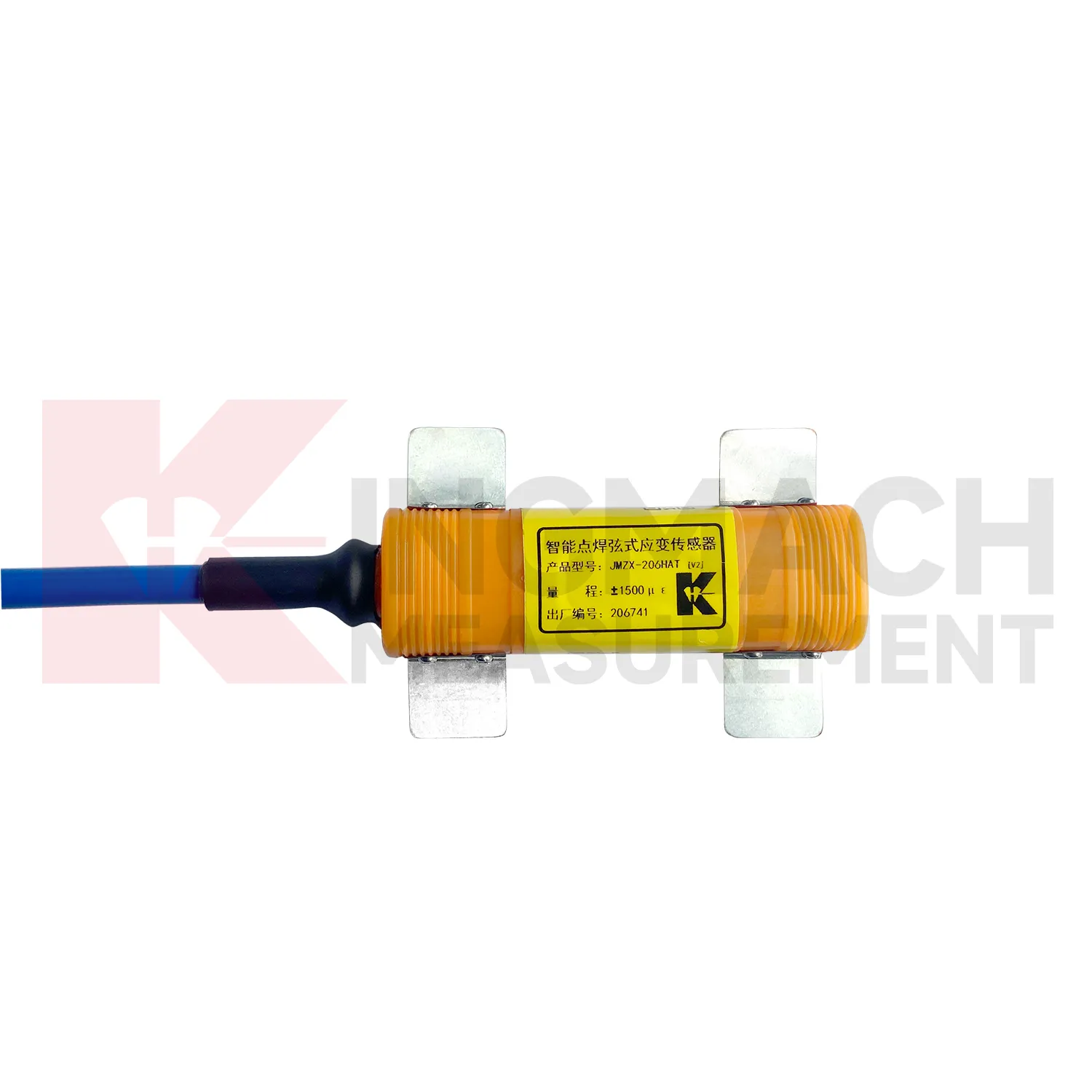
Smart vibrating wire strain gauge (surface welded model) JMZX-206HAT
View Details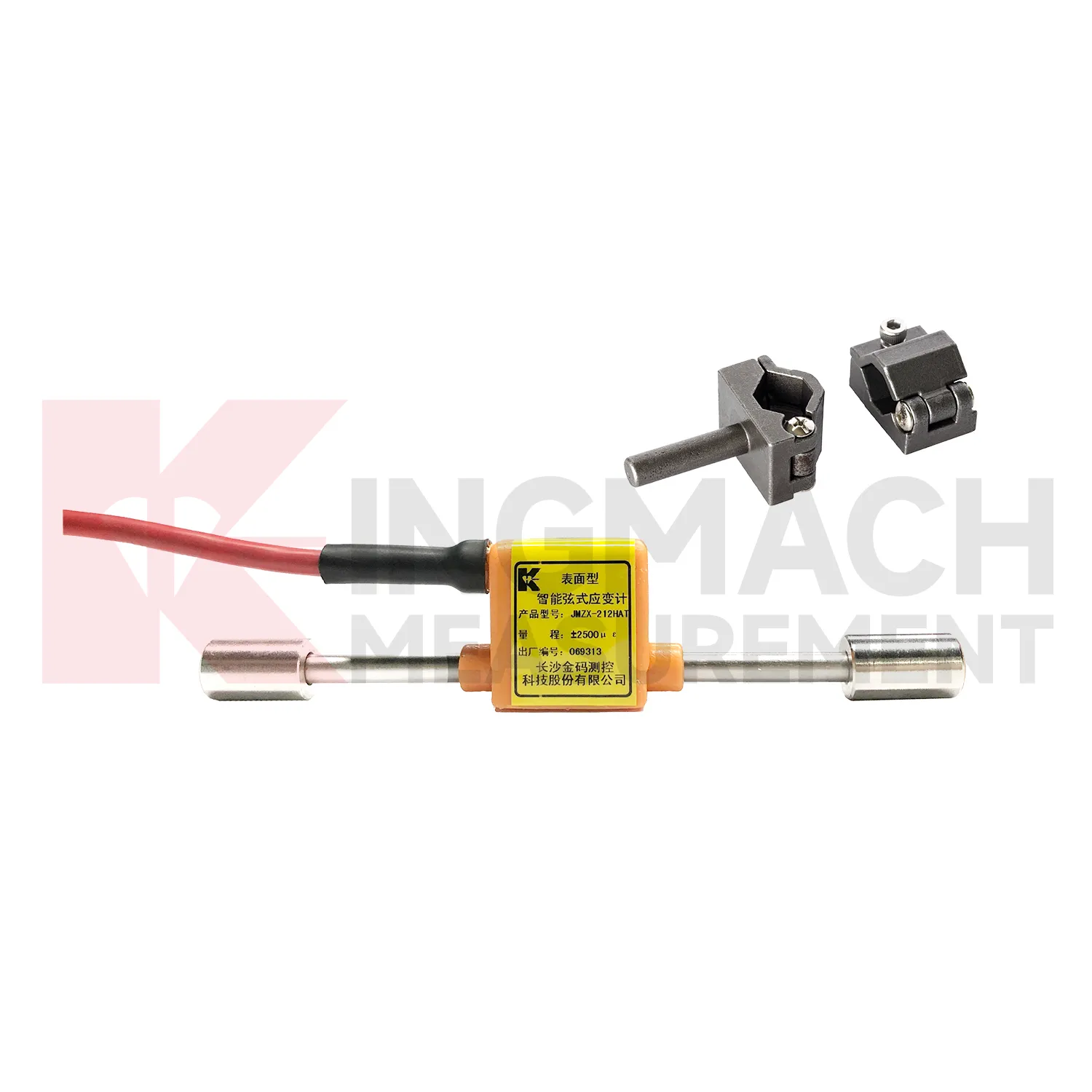
Smart vibrating wire strain gauge (surface model) JMZX-212HAT/HB
View Details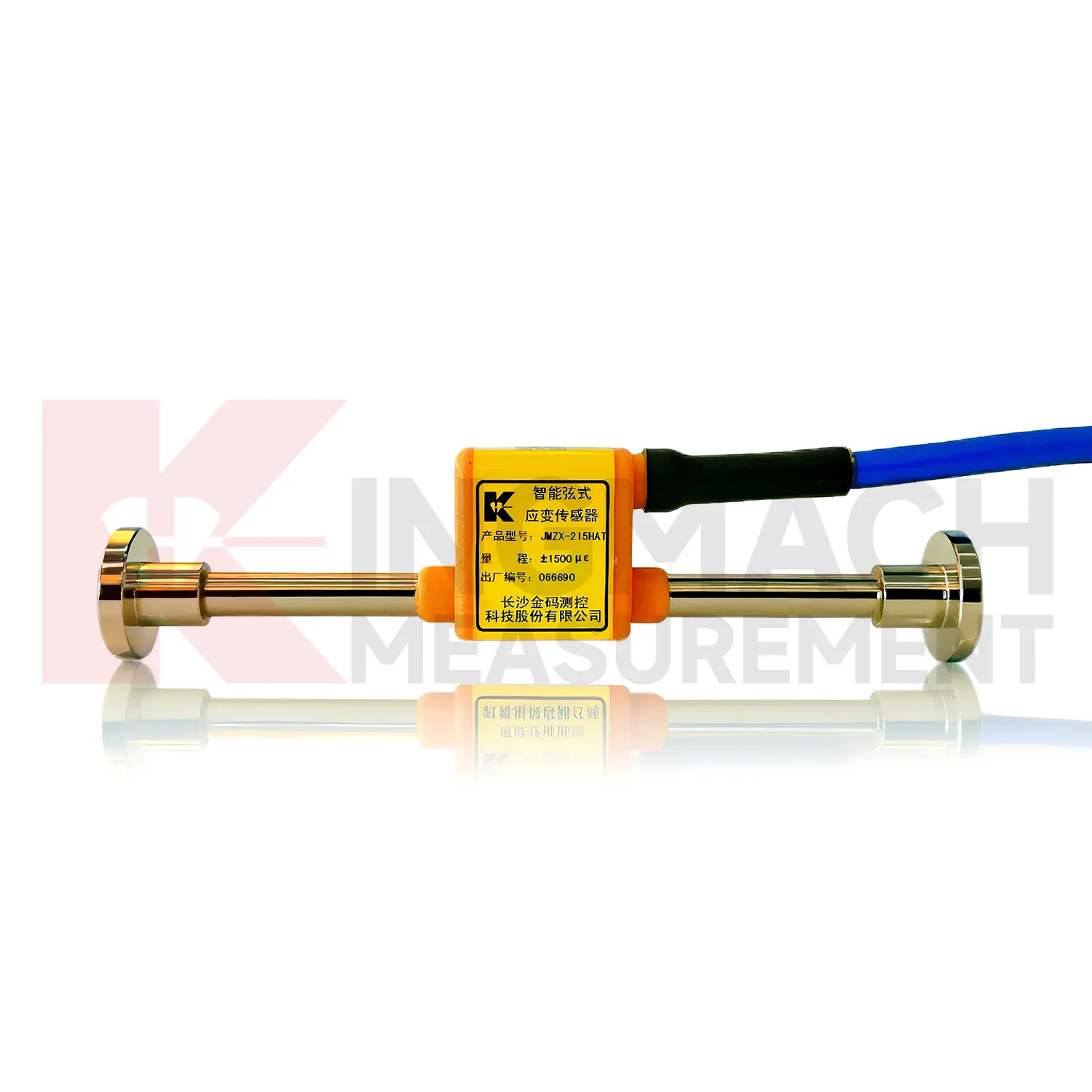
Smart vibrating wire strain gauge (embedment model) JMZX-215HA/215HAT/HB
View DetailsFAQ
It depends on your bridge configuration and power budget. 350 Ω is a solid starting point for most weighbridge and tank cell designs. Higher resistances like 1000 Ω draw less current and generate less heat, which suits battery-powered instruments. Lower resistances around 120 Ω are still used in some high-output applications. Kingmach can supply the same pattern in different resistances if you want to evaluate both.
Yes. We regularly adjust grid length, number of grids, and backing shape to match customer elastic elements. You can send us a drawing of your flexure and we will suggest a gauge layout, or we can work from your CAD file to produce a prototype set. Modifications often include adding solder pads, sealing tabs, or alignment marks.
We can recommend specific cyanoacrylates, two-part epoxies, or phenolic cements based on your curing facilities and operating temperature range. For instance, a fast-cure cyanoacrylate works well at room temperature for many low-creep applications, while an epoxy might be needed for high-temperature transducers. We also supply strain gauge adhesives if you prefer a single source.
Our self-temperature-compensated grades are matched to common elastic element materials such as aluminum, steel, and quartz. Let us know the material and working temperature range, and we will select the appropriate STC number. For mixed-material structures, we can also discuss gauge layout options to minimize thermal zero shift.
Each batch goes through resistance tolerance checks, gauge factor sampling, and grid alignment inspection. We keep records of raw foil lots and processing parameters. If your calibration process relies on a tight gauge factor range, we can sort and supply gauges within a narrower tolerance band.
Share your product type, target capacity, and application requirements. Our team can review the details and recommend a practical next step.
If you are interested in our products or want to become our partner.
Please leave your contact information, our team will contact you as soon as possible.
Mail: [email protected]
Contact Us: +8613808434127
Address: No. 188 Tongzipo West Rd, Changsha, Hunan, China