
 EN
EN
 ar
ar bg
bg hr
hr cs
cs da
da nl
nl fi
fi fr
fr de
de el
el hi
hi it
it ko
ko no
no pl
pl pt
pt ro
ro ru
ru es
es sv
sv tl
tl iw
iw id
id lv
lv lt
lt sr
sr sk
sk sl
sl uk
uk vi
vi et
et hu
hu th
th tr
tr fa
fa ms
ms hy
hy ka
ka ur
ur bn
bn mn
mn ta
ta kk
kk uz
uz ku
ku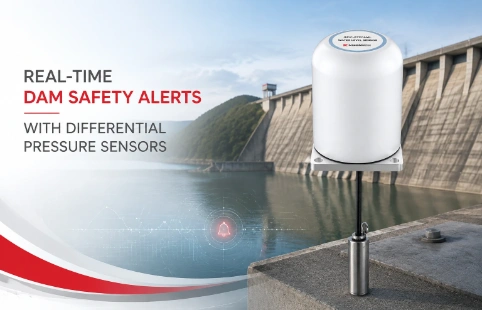
Real-Time Dam Safety Alerts with Differential Pressure Water Level Sensors
Key Takeaways An alert chain needs more than a sensor: define field in...

Load Cells Built for Field Monitoring
Most load cells work fine on a bench. Put them in a borehole or behind a retaining wall for two years, and the story changes. Moisture, temperature swings, and long-term drift weed out instruments that aren’t built for the job. Kingmach makes load cells specifically for these conditions—anchor load cells, strain gauges welded into sister bars, and pressure cells for soil and concrete. The elements are sealed against water ingress, and the signal conditioning is chosen so you can run cables 200 meters without losing resolution. Engineers who monitor tunnels, slopes, or deep excavations often need custom ranges or mounting adapters. That’s part of the standard workflow here, not a special request. With a distribution network that covers most active construction markets, getting replacements or spares isn’t a logistics project. If your monitoring plan asks for a 500 kN anchor cell or a tiny embedment gauge, there’s a version that fits.
Technical Detail
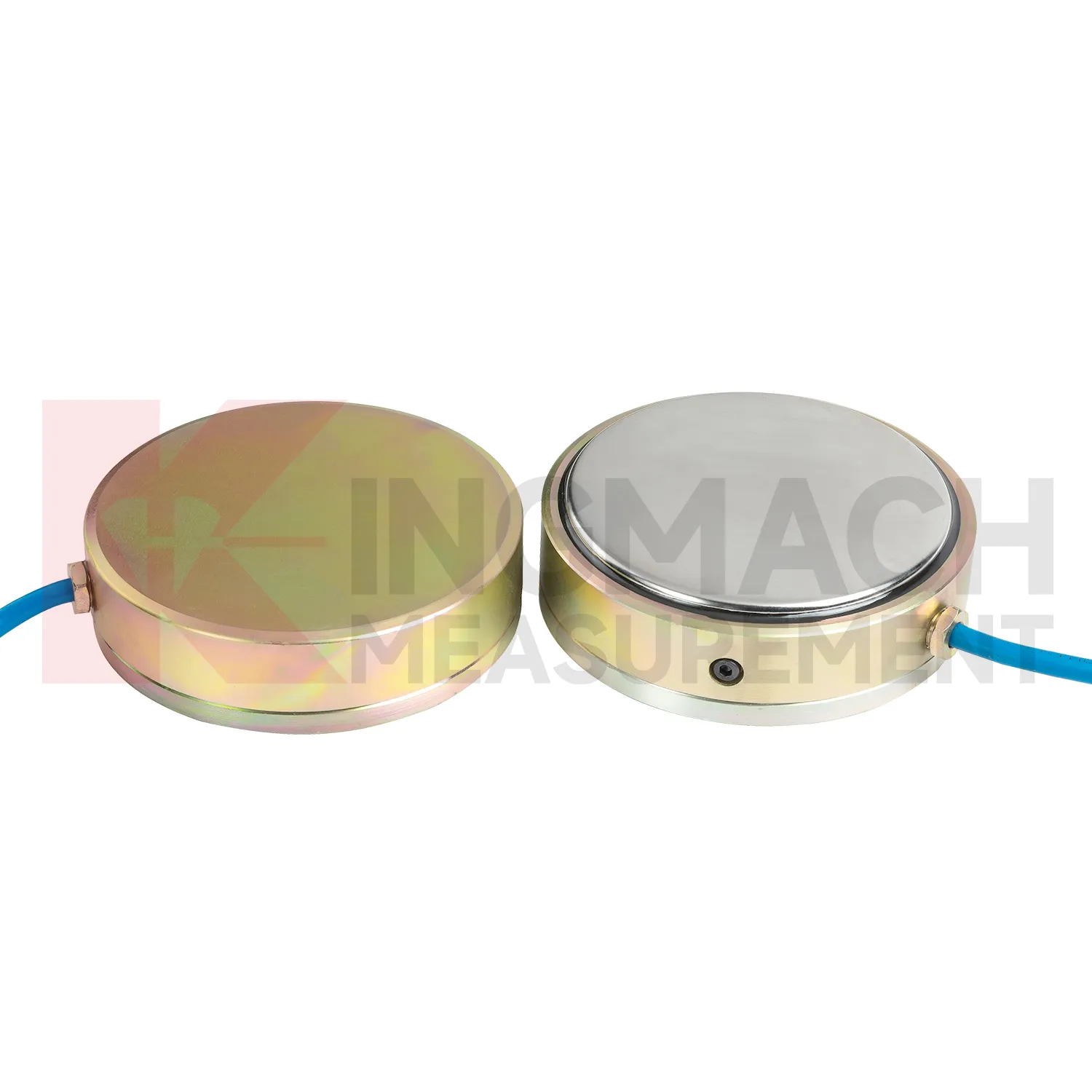
Kingmach supplies the three main types of geotechnical load cells: hydraulic anchor load cells for tiebacks and rock bolts, vibrating wire strain gauges for concrete, and earth pressure cells that sit flush against piles or tunnel linings. The anchor load cells come in center-hole designs with a load distribution ring, so even if the jack doesn’t seat perfectly, you still get a clean reading. The vibrating wire cells use a tensioned steel wire whose frequency shifts under load; that signal doesn’t degrade over long cables the way a 4-20 mA loop can. Typical capacities run from 200 kN up to 5,000 kN in the standard range, but many projects land somewhere in between, so intermediate capacities are available without a long lead time. The pressure cells are built with two thin stainless plates welded around the edge and filled with de-aired fluid. When soil or concrete presses against the plate, the fluid pressure is picked up by a transducer. By keeping the cell thin—usually 6 to 10 mm—the stiffness mismatch with the surrounding material is minimized, so the measured stress is closer to the true field stress. For all of these, the housing is 304 or 316 stainless, and the cable entry is epoxy-sealed and strain-relieved. If you need high-temperature versions or ATEX certification for underground mines, that’s a standard option, not a feasibility study. The technical team handles the commissioning and can walk local crews through the first few installations via remote support. Over a few thousand installations, the most common field problem isn’t the sensor itself—it’s improper de-airing of the hydraulic cavity or a bent signal cable. So the shipment always includes a one-page laminated field card with the three things that actually matter during install.
News
Key Takeaways An alert chain needs more than a sensor: define field in...
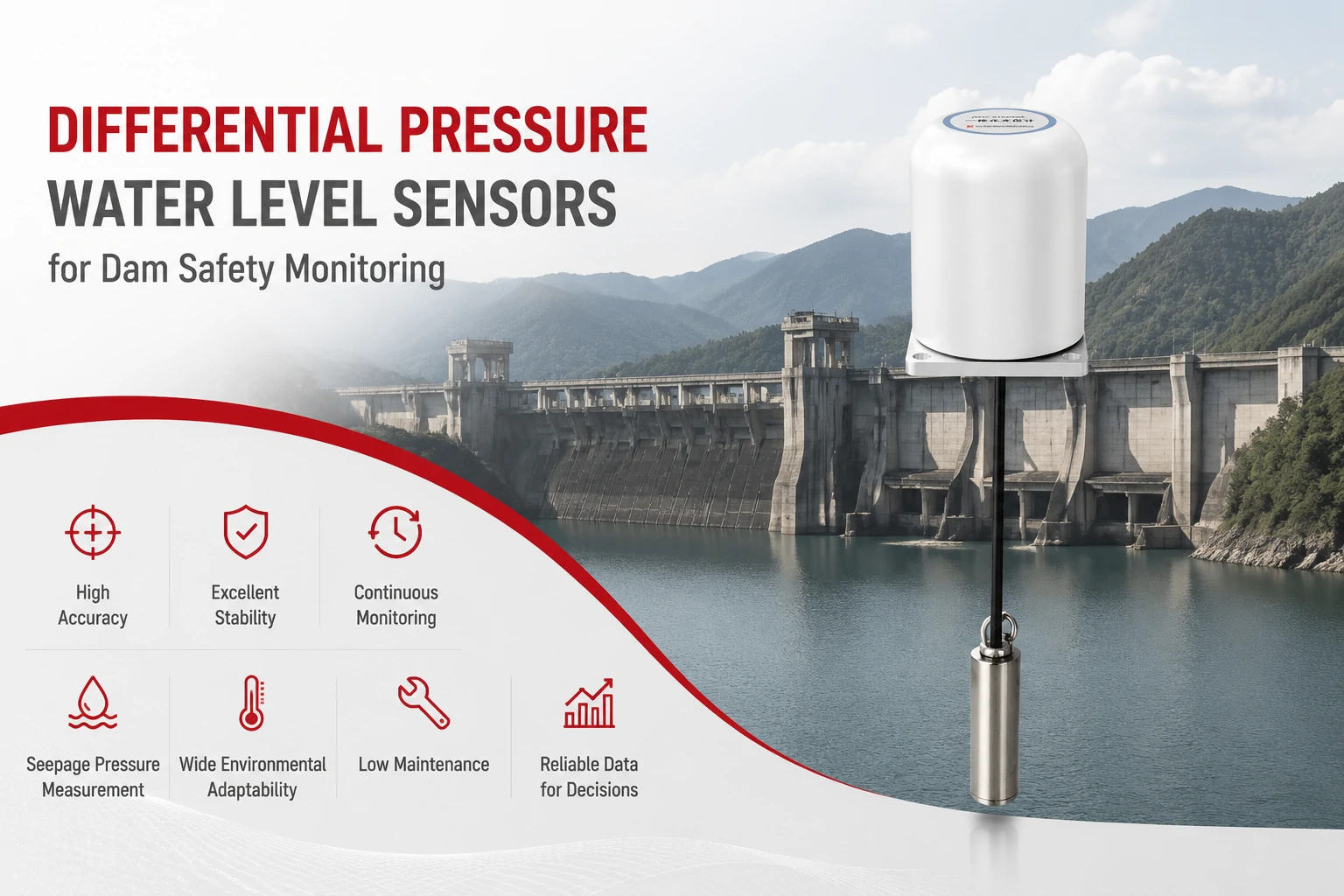
Key Takeaways The strongest fit is usually a confined, submerged, or s...
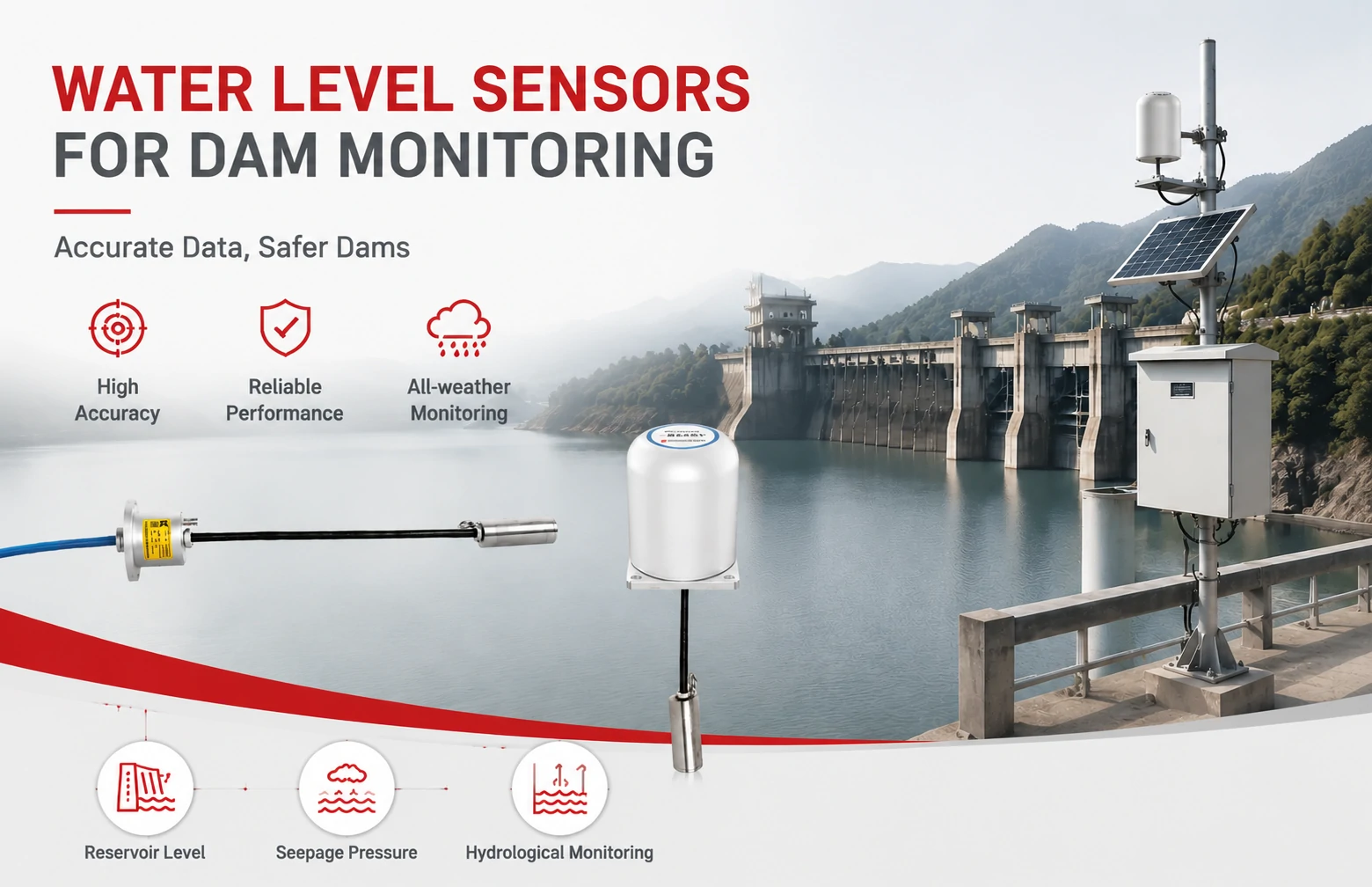
Kingmach Water Level Sensors for Dam Monitoring: A Buyer's Guide to Differential Pre...
Products
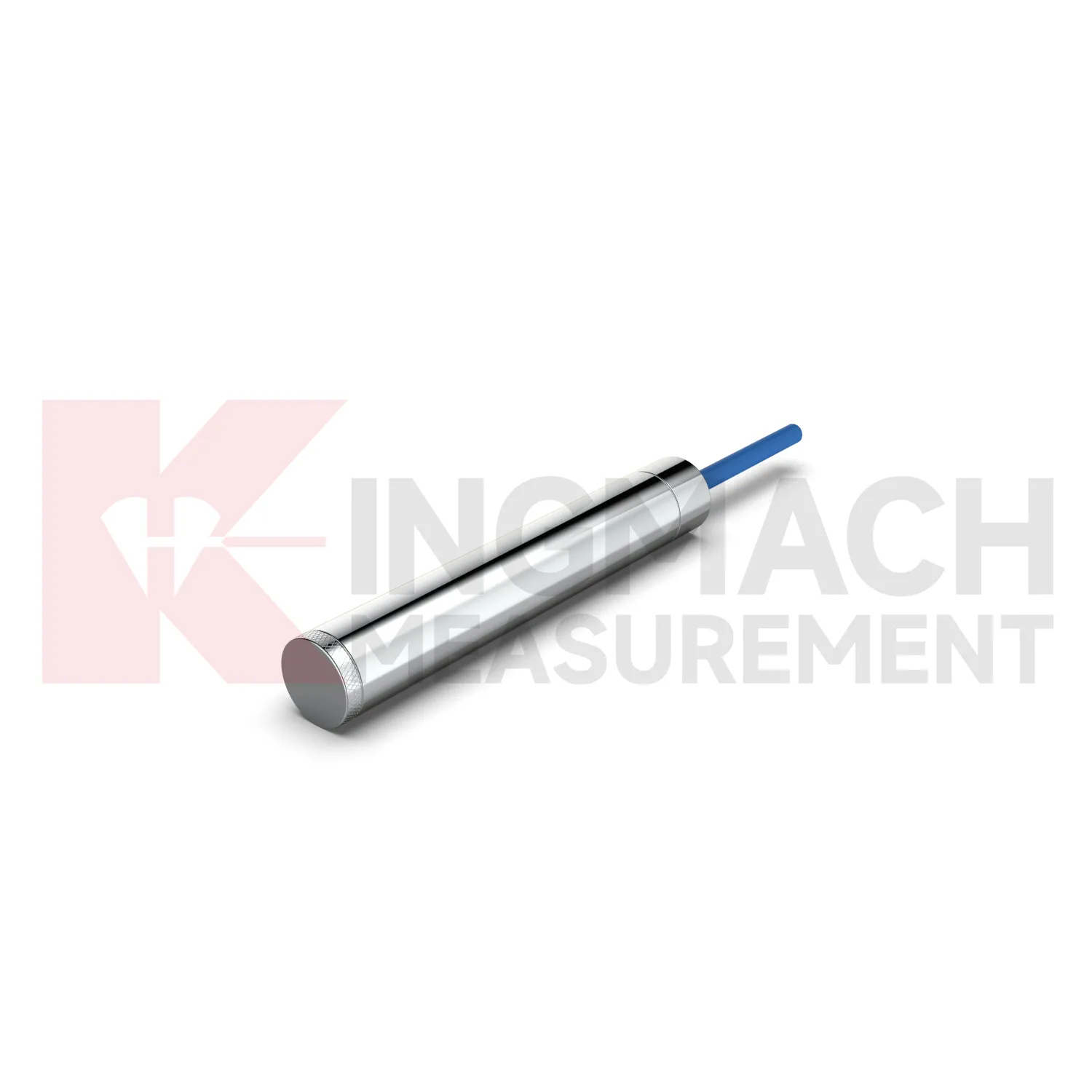
Smart Vibrating Wire PiezometerSmart Piezometers (VW) JMZX-55XXHAT
View Details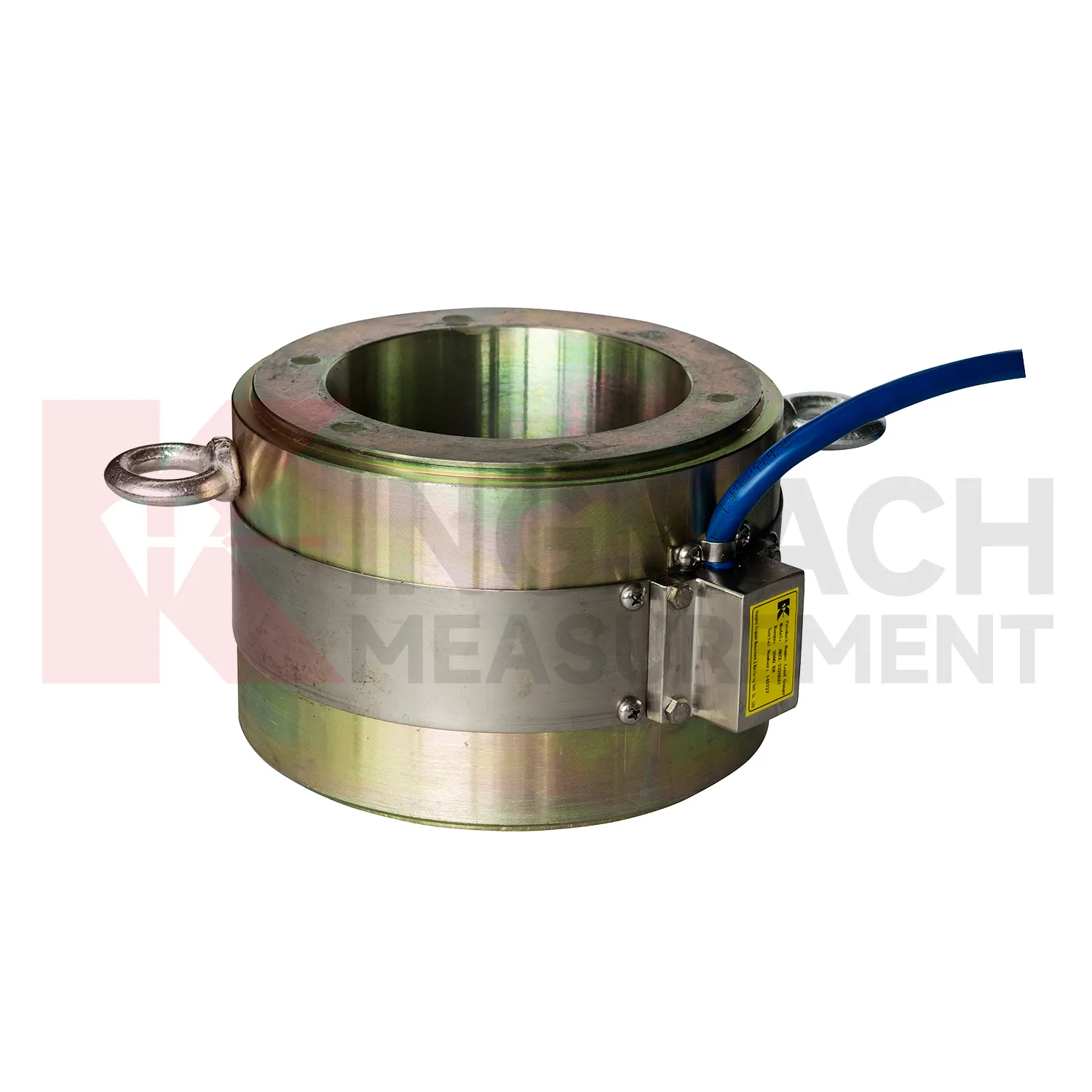
Large Earth Pressure Cell ( VW & Smart Type) JMZX-51XXAT/ ATM
View DetailsFAQ
Kingmach ships every cell with a calibration sheet that’s valid from the factory. Most specs drift less than 0.5 % per year, so field recalibration isn’t needed in a typical two-year monitoring campaign. After five years, you’d want to pull the cell or compare it against a known reference load, but that rarely changes the conversion factor by more than a percent unless the cell has been overloaded.
Yes. Standard cables come in 20 m, 50 m, and 100 m lengths, but the order form just asks for the length you need. The vibrating wire signal is a frequency, so it doesn’t suffer from voltage drop. For resistive cells, we use 4-wire Kelvin connections to cancel out lead resistance. Cables are armored with a braided stainless jacket when there’s a risk of rodents or rough backfill.
People use the words interchangeably, but strictly speaking, an earth pressure cell measures total stress at a point, while some ‘stress meters’ are really strain meters embedded in concrete. Kingmach’s pressure cells are true total stress devices: they have two parallel plates and a fluid-filled cavity, so they respond to normal stress regardless of soil stiffness. Embedment strain gauges, like sister bars, measure the internal strain of concrete and then you infer stress from the concrete’s modulus.
Hydraulic cells are simpler: the load squeezes a thin oil film, and you read the pressure. Resolution is lower but they’re very rugged. Vibrating wire cells give higher resolution and a digital output, so they integrate better with data loggers. If the anchor head is subject to shock or construction traffic, hydraulic often survives better. For long-term remote monitoring with automatic readings, vibrating wire is the usual pick.
Share your product type, target capacity, and application requirements. Our team can review the details and recommend a practical next step.
If you are interested in our products or want to become our partner.
Please leave your contact information, our team will contact you as soon as possible.
Mail: [email protected]
Contact Us: +8613808434127
Address: No. 188 Tongzipo West Rd, Changsha, Hunan, China