
 EN
EN
 ar
ar bg
bg hr
hr cs
cs da
da nl
nl fi
fi fr
fr de
de el
el hi
hi it
it ko
ko no
no pl
pl pt
pt ro
ro ru
ru es
es sv
sv tl
tl iw
iw id
id lv
lv lt
lt sr
sr sk
sk sl
sl uk
uk vi
vi et
et hu
hu th
th tr
tr fa
fa ms
ms hy
hy ka
ka ur
ur bn
bn mn
mn ta
ta kk
kk uz
uz ku
ku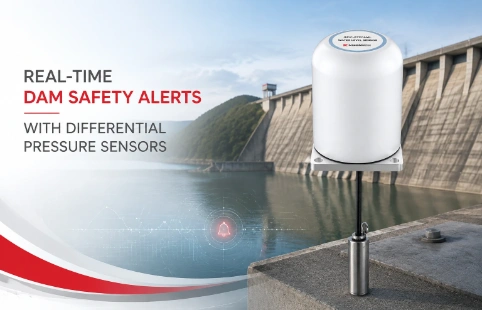
Real-Time Dam Safety Alerts with Differential Pressure Water Level Sensors
Key Takeaways An alert chain needs more than a sensor: define field in...

Displacement sensor applications: from on-site monitoring to engineering safety
In geotechnical engineering and structural monitoring, displacement sensors act as gatekeepers. They continuously record small but critical deformations, giving engineers an idea of slope slippage, tunnel convergence or building settlement. As a professional geotechnical instrument manufacturer, Kingmach has been cooperating with global project parties all year round to implement displacement measurement technology on various sites. Whether it is temporary construction monitoring or permanent safety warning, choosing the right sensor and understanding its application boundaries are often more worthy of consideration than the instrument itself.
Technical Detail
The application spectrum of displacement sensors is wider than many people imagine. In a typical slope monitoring project, inclinometers and crack meters cooperate to form a three-dimensional observation network to capture creeping signals before landslides. During tunnel construction, the convergence meter and the displacement sensor on the total station provide real-time feedback on the deformation of the initial support, which is directly related to the excavation rhythm. In building monitoring, the combination of static leveling systems and displacement sensors can remotely track uneven settlements, especially in old urban areas or dangerous environments where manual observation is inconvenient. Industry experience shows that if mid-range price sensors can meet repeatability and long-term stability requirements, they are more suitable for rough geotechnical sites than some high-end but too delicate models. Kingmach's product line covers a variety of sensing principles such as vibrating wire type and resistive type. It can be flexibly configured according to the range, accuracy and output signal requirements of different projects, and can be customized when necessary. Our global distribution network and on-site technical support team can usually intervene during the project design stage to help customers clarify sensor placement strategies and data collection plans to avoid common application misunderstandings.
News
Key Takeaways An alert chain needs more than a sensor: define field in...
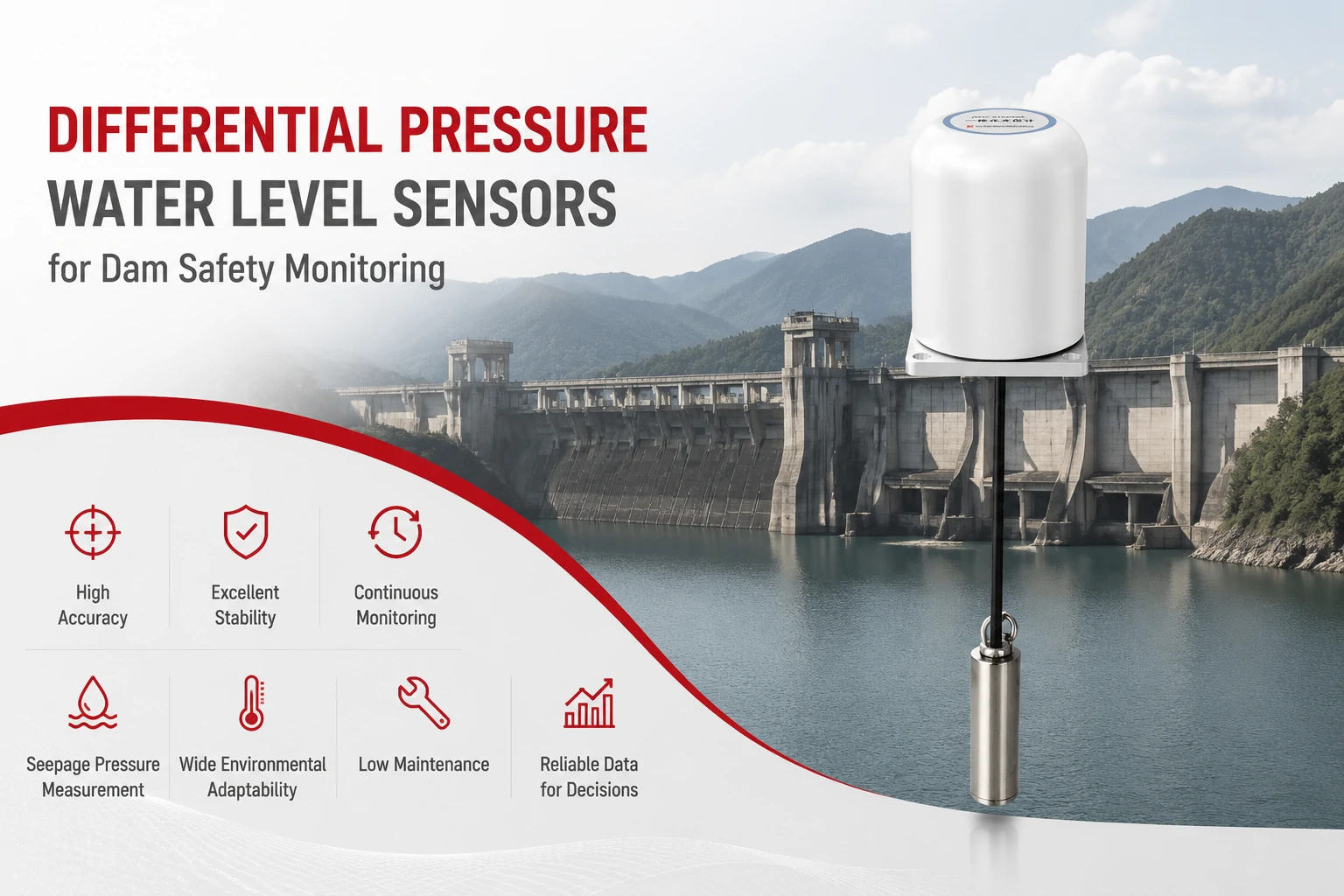
Key Takeaways The strongest fit is usually a confined, submerged, or s...
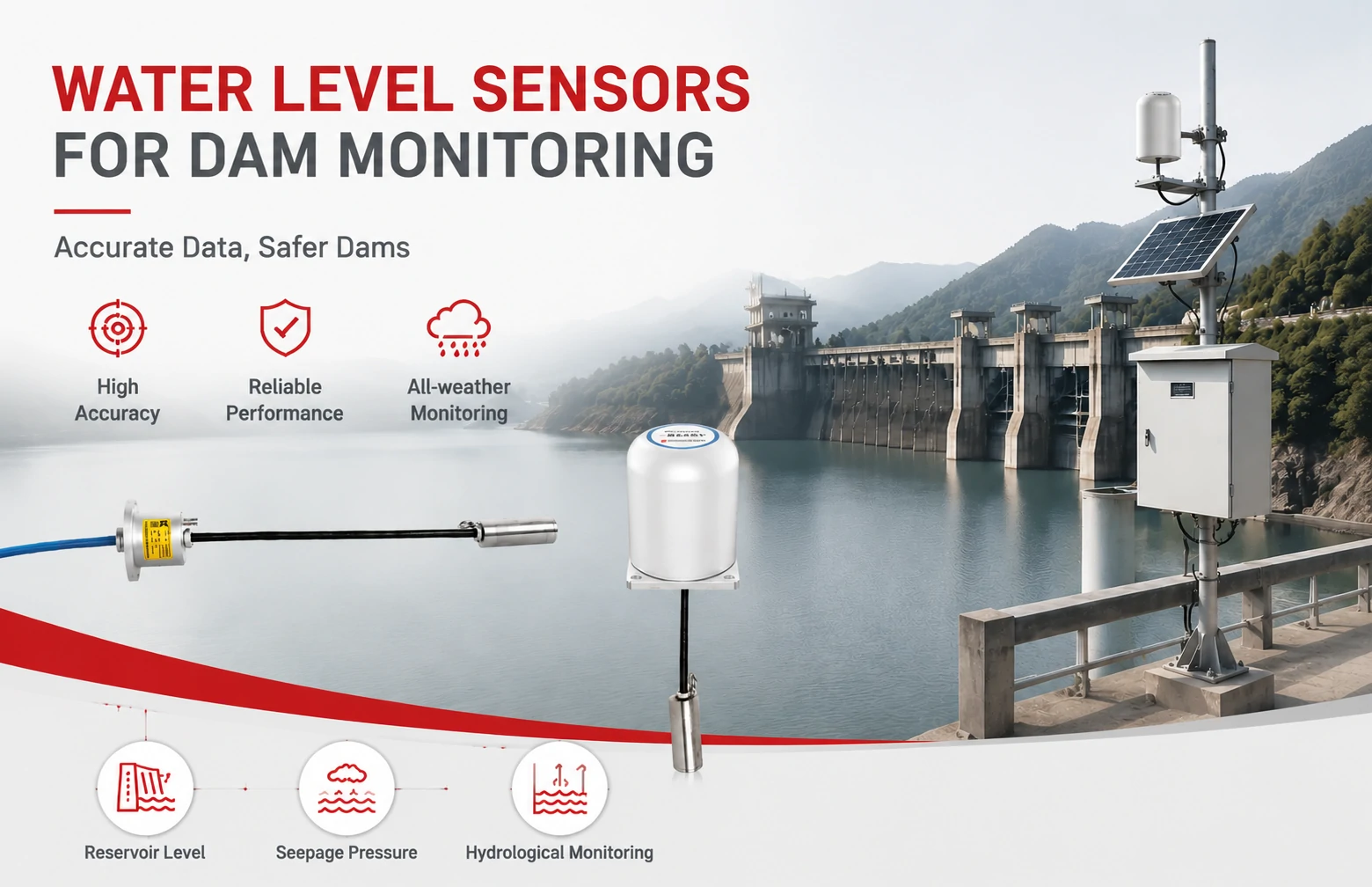
Kingmach Water Level Sensors for Dam Monitoring: A Buyer's Guide to Differential Pre...
Products
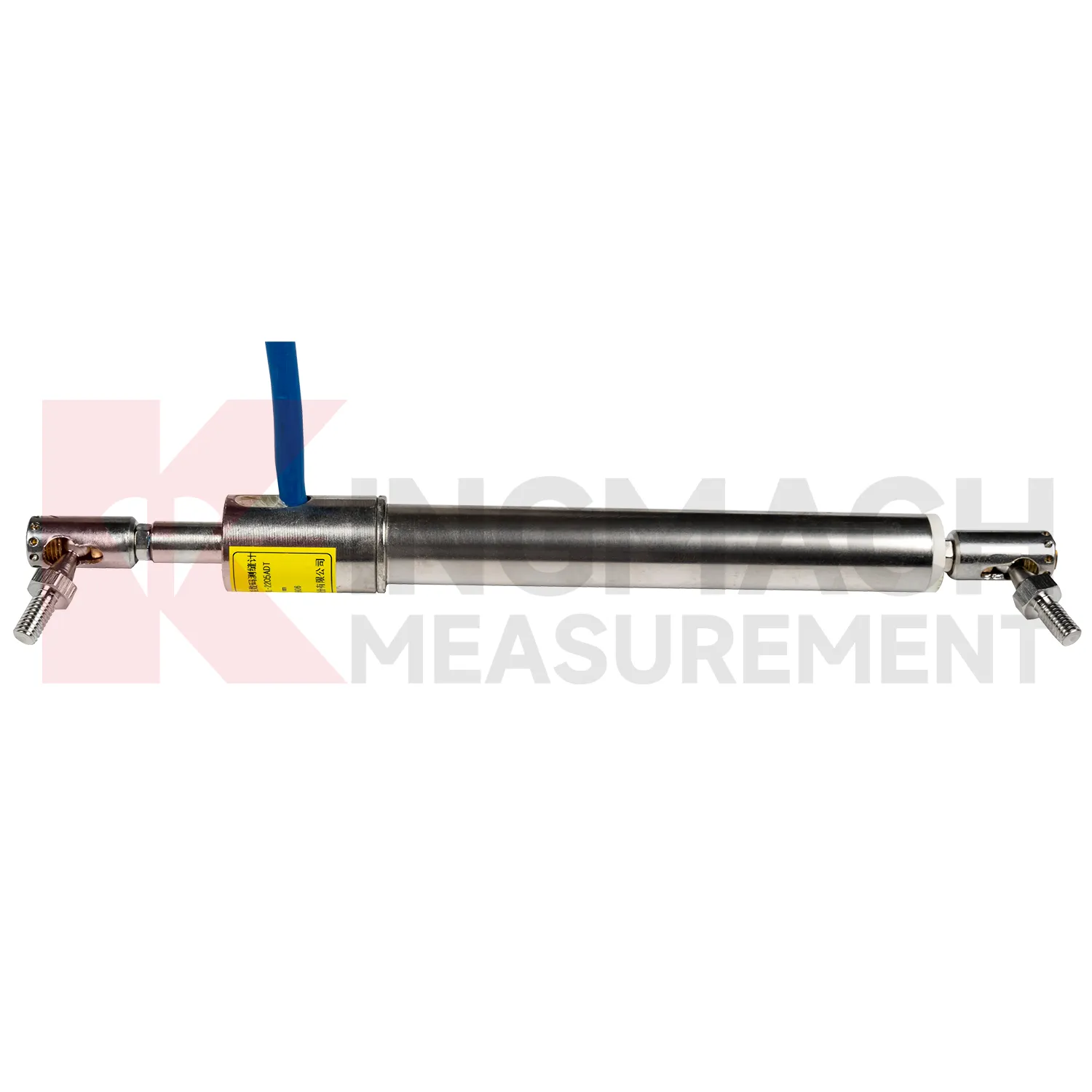
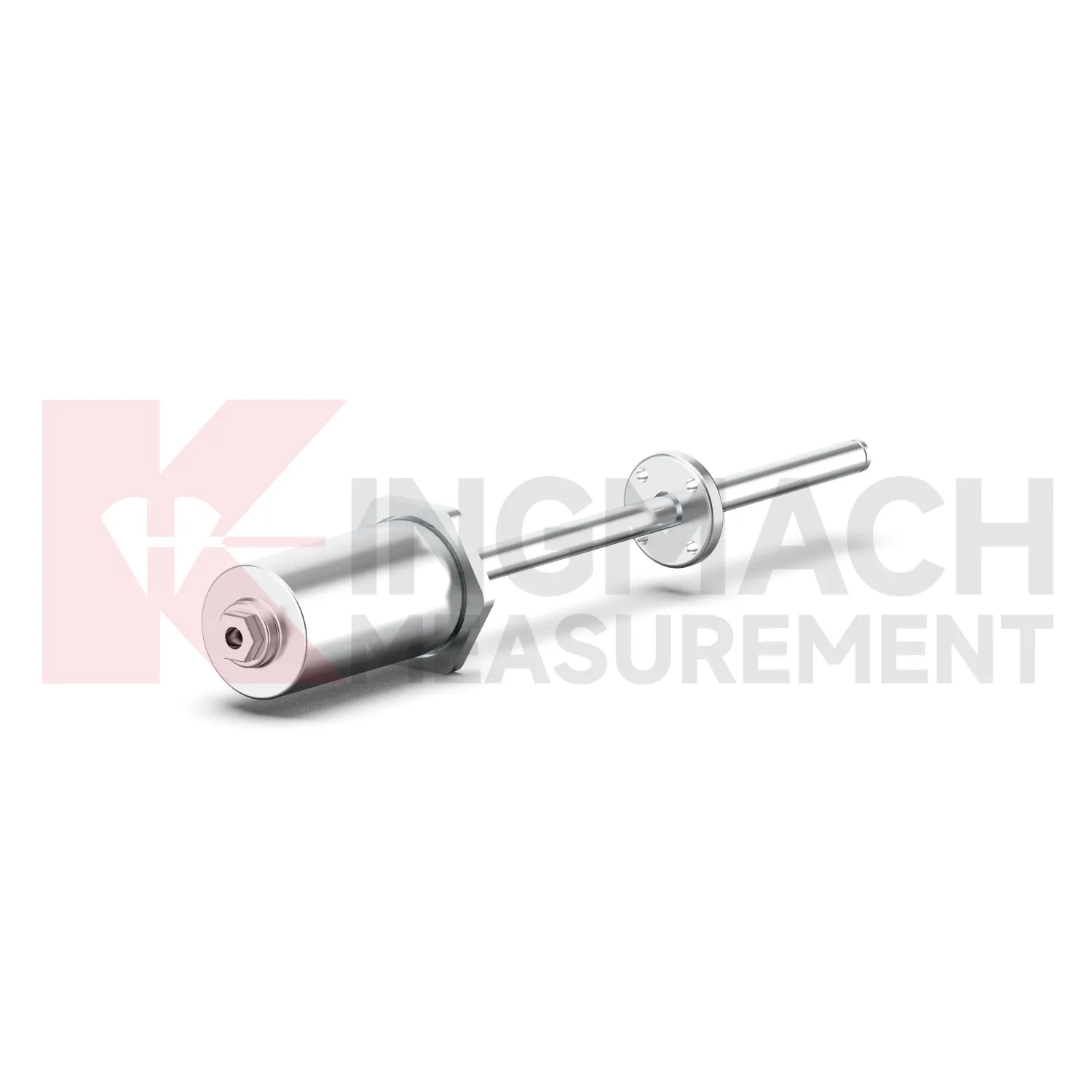
Magnetostrictive Displacement Meter JMCW-21XXADT
View DetailsFAQ
Inclinometers and crack meters are commonly used for slope monitoring. Inclinometers can continuously measure horizontal displacements at different depths in boreholes to determine the position of sliding surfaces; crack meters span surface cracks or structural joints to directly obtain opening or dislocation data. Some deep displacement monitoring also uses multi-point displacement meters. The estimated deformation speed and total amount should be considered when selecting. The vibrating wire type is usually suitable for long-term automated monitoring because of its stable signal and strong anti-interference ability.
Most geotechnical displacement sensors are temperature compensated. For example, the vibrating wire sensor itself can read temperature and frequency at the same time, and the system corrects the displacement value according to the factory-calibrated temperature coefficient. However, the compensation effect depends on the installation to ensure that the sensor and the measured structure are fully temperature balanced. If the sensor is half buried in concrete and half suspended in the sun, local temperature differences will cause data drift. Field experience is to try to keep the sensor body and the medium at the same temperature, and install a radiation shield if necessary.
There is no mandatory standard, and it is usually recommended to randomly check representative points in the middle of the project or every year. The vibrating wire sensor itself has good stability and has very small drift, but if the sensor has been flooded or impacted, it needs to be verified as soon as possible. Calibration can be compared with a known displacement application device on site, or sent back to the laboratory. Our experience is that regularly observing the change trend of the base value in the software is more effective than blindly dismantling it.
There is no fixed number, depending on the section size, surrounding rock grade and monitoring frequency requirements. Generally, at least 3-5 convergence measurement points are arranged for each monitoring section, with vaults and waists being the focus. Areas with complex geology are denser. Redundancy should also be considered in system design, because the construction environment is easy to encounter probes, and having a few spares can ensure data continuity. We can provide point layout suggestions for typical sections, but the final number must be determined by the design unit.
Most can. Our commonly used vibrating wire sensors output frequency signals, which are supported by almost all geotechnical acquisition instruments. The model of the analog output will indicate the interface, such as 4-20mA or 0-5V, as long as it matches. If the protocol is incompatible, we can also provide signal conversion modules or assist in debugging. Communicating the acquisition system brand and interface requirements in advance during the planning stage can reduce later trouble.
Share your product type, target capacity, and application requirements. Our team can review the details and recommend a practical next step.
Related Keywords
If you are interested in our products or want to become our partner.
Please leave your contact information, our team will contact you as soon as possible.
Mail: [email protected]
Contact Us: +8613808434127
Address: No. 188 Tongzipo West Rd, Changsha, Hunan, China