
 EN
EN
 ar
ar bg
bg hr
hr cs
cs da
da nl
nl fi
fi fr
fr de
de el
el hi
hi it
it ko
ko no
no pl
pl pt
pt ro
ro ru
ru es
es sv
sv tl
tl iw
iw id
id lv
lv lt
lt sr
sr sk
sk sl
sl uk
uk vi
vi et
et hu
hu th
th tr
tr fa
fa ms
ms hy
hy ka
ka ur
ur bn
bn mn
mn ta
ta kk
kk uz
uz ku
ku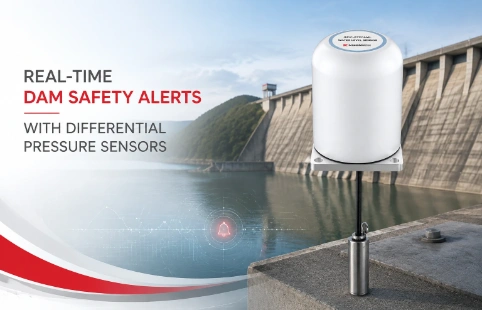
Real-Time Dam Safety Alerts with Differential Pressure Water Level Sensors
Key Takeaways An alert chain needs more than a sensor: define field in...

Compact Data Acquisition Modules That Fit Your Monitoring Setup
Most logging boxes are either too bulky for tight borehole installations or too limited in channel count when you finally need them. Kingmach builds compact data acquisition modules specifically for geotechnical and structural monitoring, where space constraints and sensor diversity are daily realities. These modules take the same signal conditioning and digitizing you expect from full‑size loggers and shrink it into a footprint that works inside narrow inclinometer casings, behind retaining walls, or on busy construction sites. The units speak standard industrial protocols, so you aren’t locked into a single software stack, and they draw little enough power that a small solar panel or a primary battery can keep them running for months. We started with modular designs because almost every project we see mixes vibrating wire, resistive, and MEMS sensors, and customers get tired of adding yet another box. The compact range strips out unnecessary connectors while keeping per‑channel configurability and isolation where it matters. You still get low‑drift references, anti‑aliasing filters, and readable raw values without hunting through hexadecimal dumps.
Technical Detail
Kingmach’s compact data acquisition modules originate from field requests we kept hearing: “I need eight channels in a box smaller than a coffee mug.” These are not simplified loggers with fixed ranges; each channel can be set independently for voltage, current, vibrating wire, or potentiometric inputs via software jumpers, so one module handles mixed sensor strings. Typical hardware design uses a 24‑bit sigma‑delta ADC front‑end with programmable gain, which gives you sub‑microstrain resolution on strain gauge circuits while keeping noise below 0.4 µV RMS in slow‑rate sampling. For compatibility across long cable runs, the modules output over RS‑485 with Modbus RTU or CANopen, and they appear as standard slaves in most SCADA packages. We have built units with 4, 8, 16, or 24 channels; the enclosure follows a DIN‑rail cutout pattern but can be bolted to a metal plate inside a waterproof enclosure. Excitation outputs are individually switchable and protected against short circuits, so a faulty sensor on channel 3 won’t take down the whole module. Power management was a deliberate focus: sleep currents around 120 µA at 12 VDC are achievable when you only need a reading every few minutes, which makes solar sizing much easier. Because Kingmach maintains its own calibration lab, we pre‑test every module with a sensor simulator across temperature from ‑20°C to +65°C and include an as‑found calibration sheet, so you know what drift to expect before installation. The terminal blocks accept ferrule‑crimped wires up to 2.5 mm², and we etch terminal assignments directly on the front plate because labels always peel off. If your project needs a specific connector, like a LEMO push‑pull, we can usually integrate that in small volumes. The modules also store a unique electronic datasheet internally that host software can read to auto‑configure channels; this matters when you have 50 nodes and don’t want to click through setup screens. While our range targets the mid‑tier budget, the design choices come from listening to users who service equipment in remote areas—no tiny DIP switches, no proprietary cables, and firmware that can be updated over the bus rather than with a special programmer. Ask our application engineers about hybrid logging if you need to combine dynamic event capture with periodic static readings: the same hardware often supports both with a configuration change.
News
Key Takeaways An alert chain needs more than a sensor: define field in...
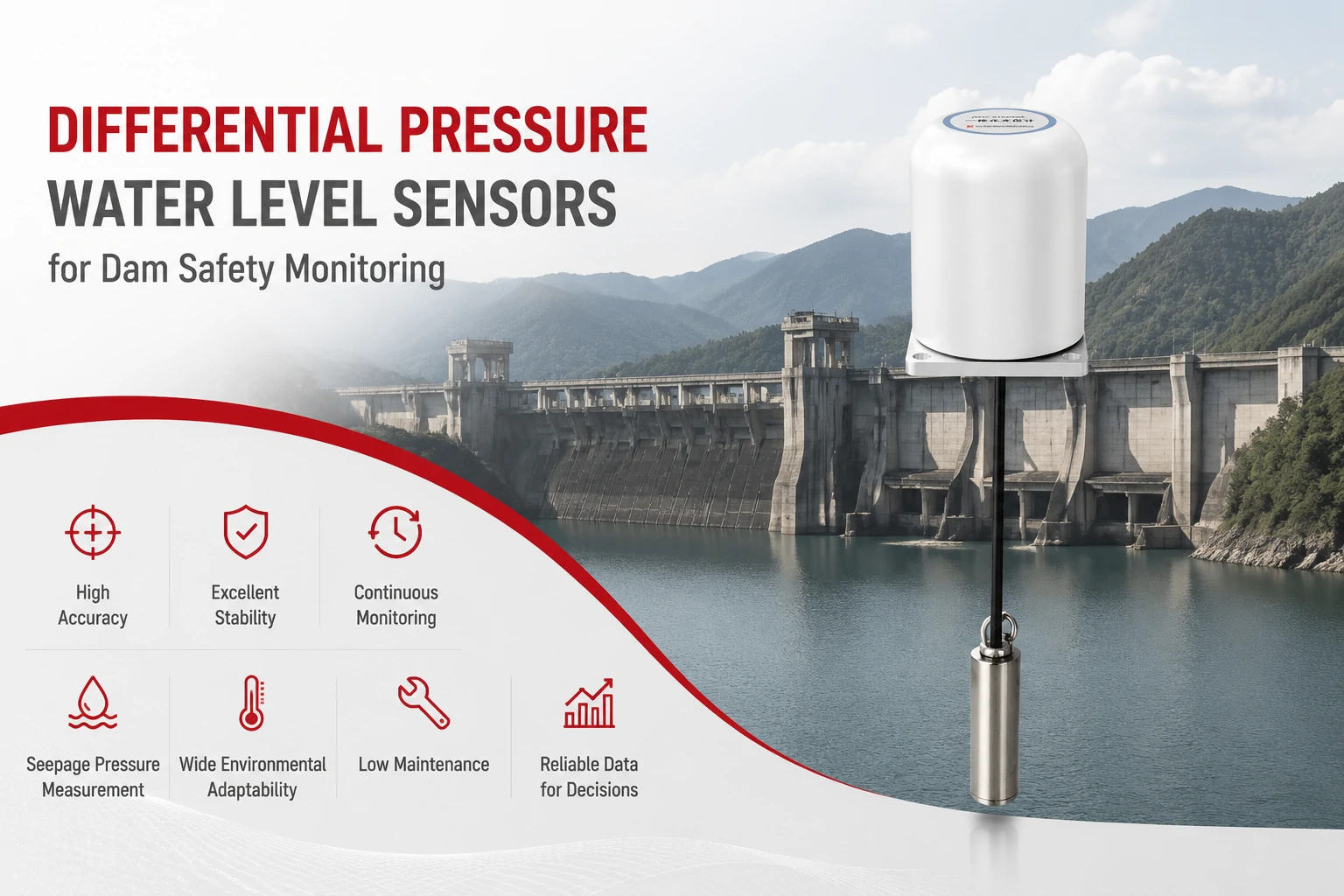
Key Takeaways The strongest fit is usually a confined, submerged, or s...
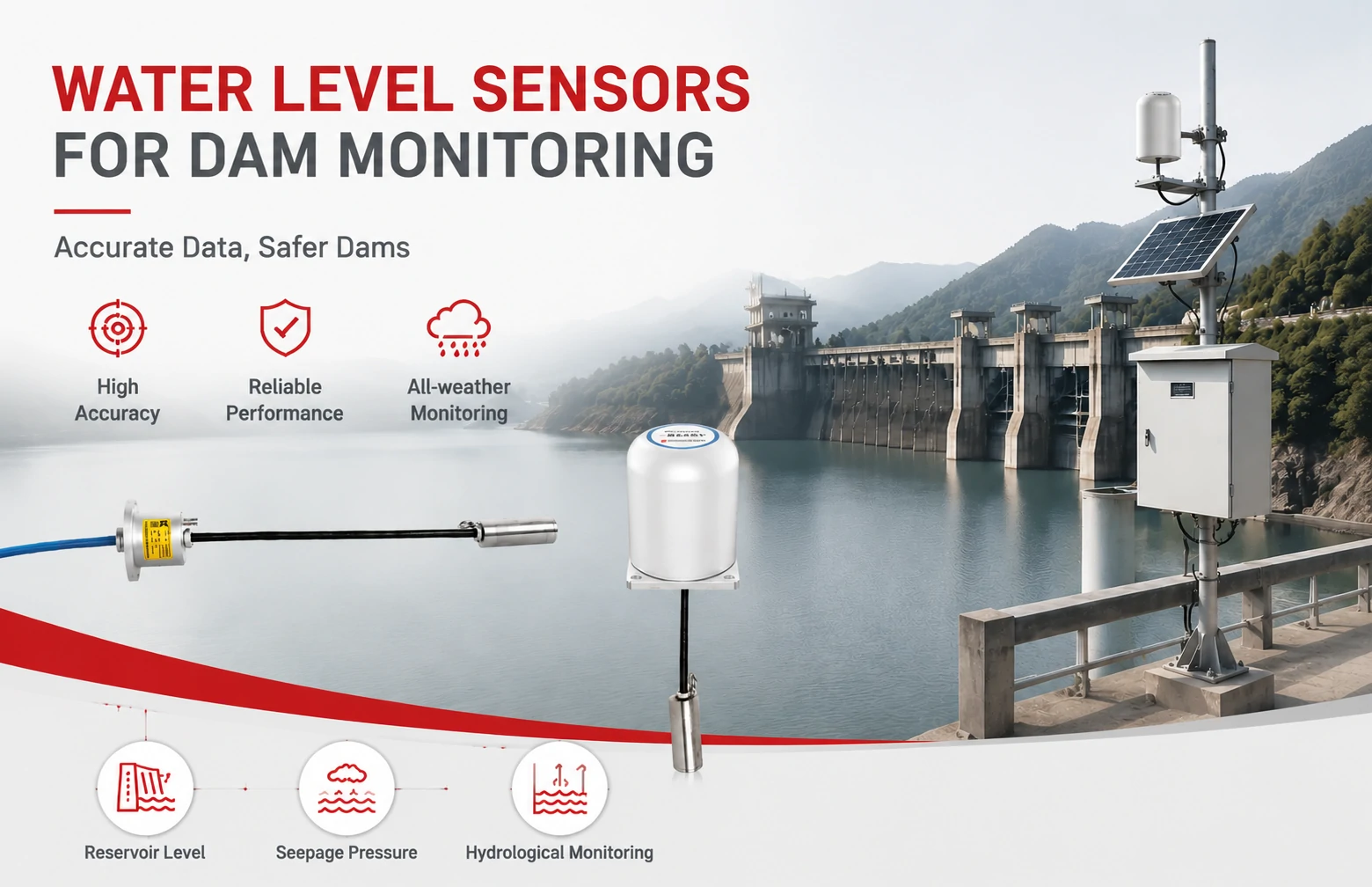
Kingmach Water Level Sensors for Dam Monitoring: A Buyer's Guide to Differential Pre...
Products
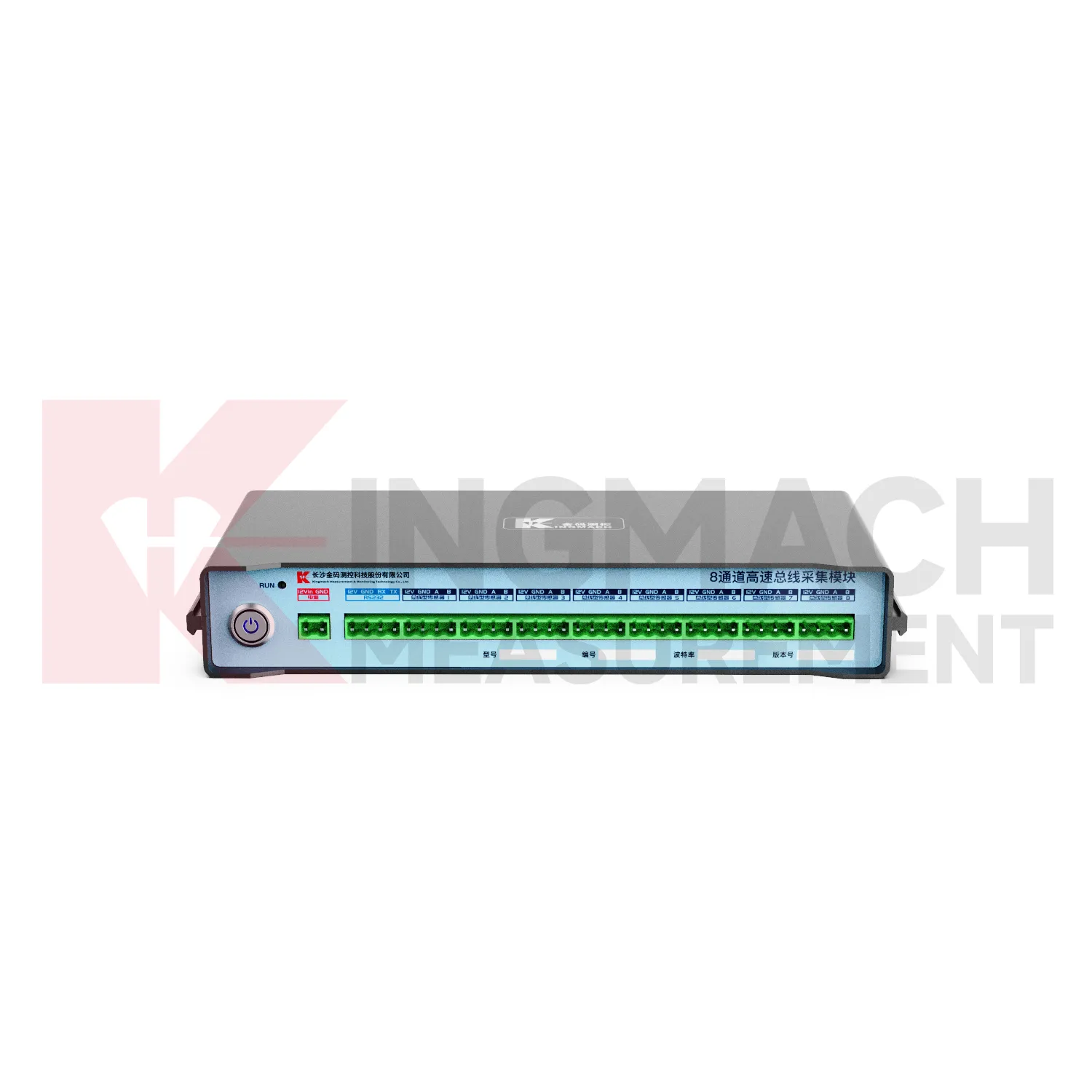
8-channel high-speed bus acquisition module JMJK-8DH
View Details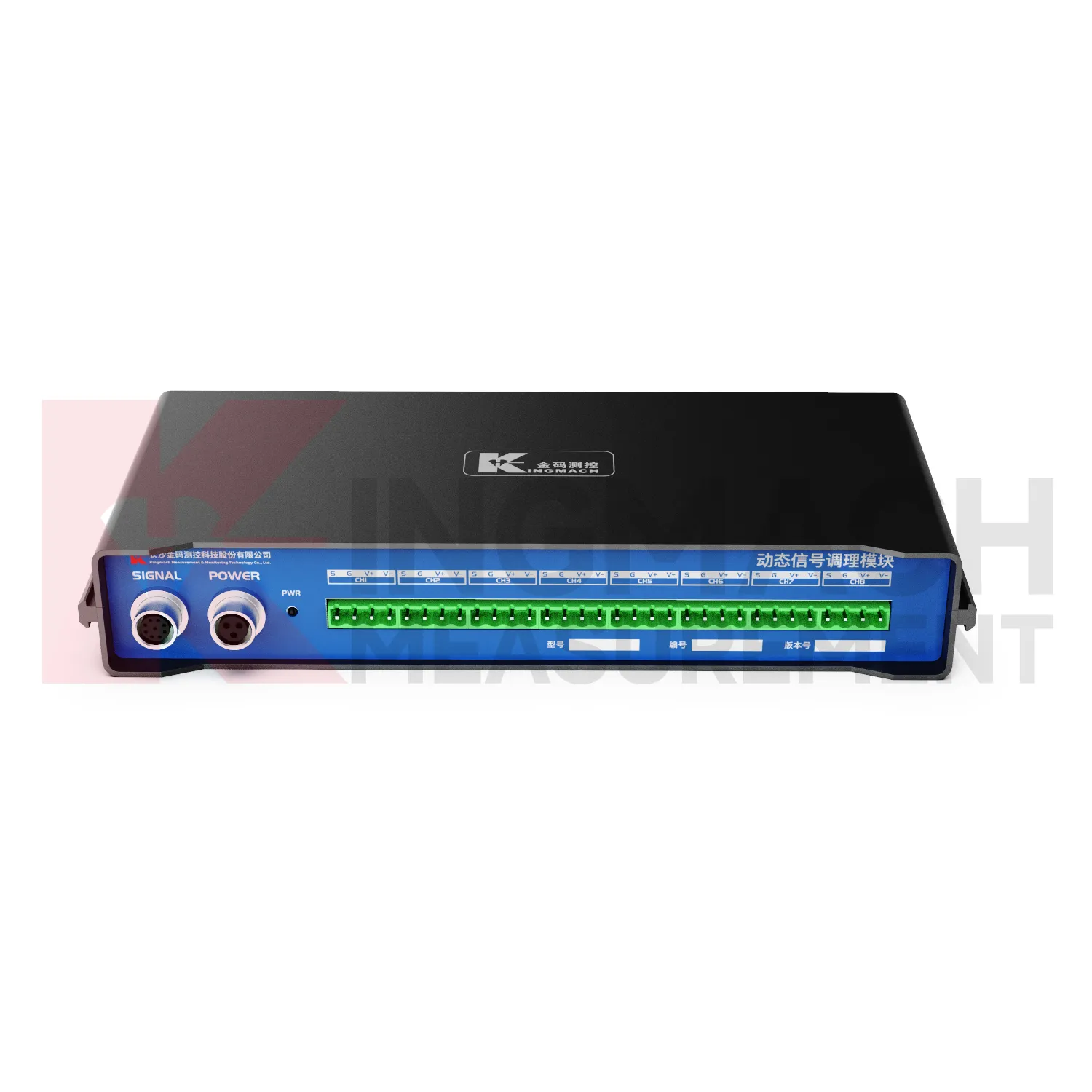
Dynamic signal conditioning moduleJMYD-2008XTA
View Details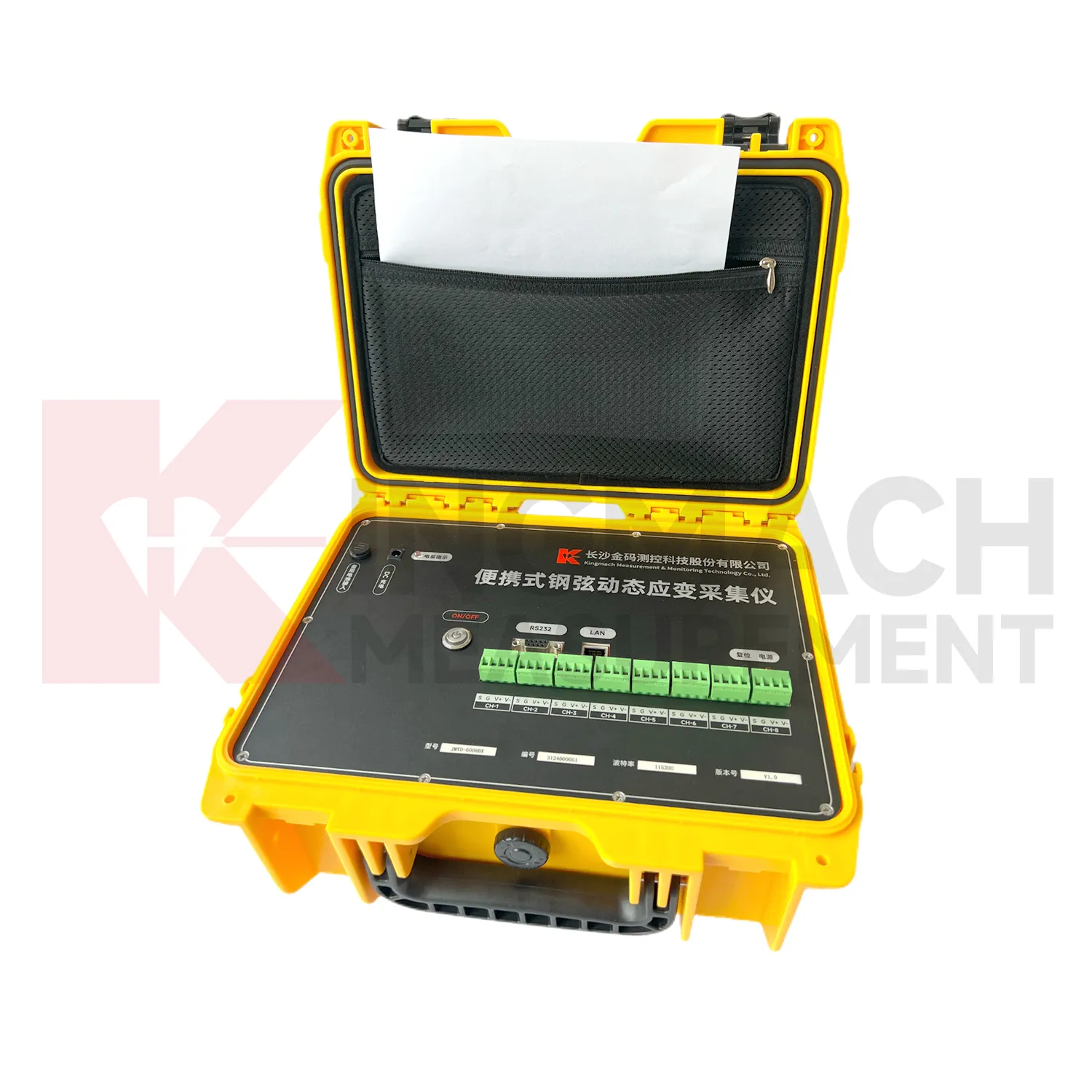
Portable Vibrating Wire Dynamic Strain Acquisition Readout JMYD-6008BX
View DetailsFAQ
They accept vibrating wire, 4–20 mA current loop, 0–10 V, potentiometric, and full/half‑bridge inputs natively. You change the mode per channel in the setup file; no hardware swap is needed. Thermistors and PT100 RTDs are also supported directly on dedicated channels or by sharing excitation lines with other sensors. For specialty sensors like MEMS accelerometers that output digital I²C, we usually include a short internal adapter so you still access the data as a standard Modbus register.
A 16‑channel unit fits inside an enclosure measuring about 160×120×70 mm, connectors excluded. That’s roughly the volume of a thick paperback book. Single‑board versions without the housing are smaller, but we recommend the sealed enclosure for anything outdoors. Weight is under 1.2 kg, which helps when you’re lowering the logger inside a piezometer standpipe.
These modules are designed as intelligent front‑ends; they don’t have onboard removable storage. They connect to a Kingmach logging gateway, your own Linux board, or a PLC. The bus protocol gives you real‑time access, and the gateway handles storage and cellular push. That way, you can replace or upgrade the storage and communication part without touching the sensor wiring.
Yes, because they use unencrypted Modbus RTU over RS‑485 or CANopen. Any SCADA or OPC server with a standard driver can poll them. We publish a full register map with scaling formulas and status bits. Some customers use Python scripts on a Raspberry Pi to read values into InfluxDB.
They accept 9–30 VDC and regulate internally. At 1‑sample‑per‑minute logging with sleep enabled, a typical 8‑channel module draws about 15 mA average from a 12 V battery, including sensor excitation bursts. That lets a 100 Ah gel battery run for months even without a solar panel. We can supply a low‑power mode that disables unused channels entirely.
Share your product type, target capacity, and application requirements. Our team can review the details and recommend a practical next step.
If you are interested in our products or want to become our partner.
Please leave your contact information, our team will contact you as soon as possible.
Mail: [email protected]
Contact Us: +8613808434127
Address: No. 188 Tongzipo West Rd, Changsha, Hunan, China