
 EN
EN
 ar
ar bg
bg hr
hr cs
cs da
da nl
nl fi
fi fr
fr de
de el
el hi
hi it
it ko
ko no
no pl
pl pt
pt ro
ro ru
ru es
es sv
sv tl
tl iw
iw id
id lv
lv lt
lt sr
sr sk
sk sl
sl uk
uk vi
vi et
et hu
hu th
th tr
tr fa
fa ms
ms hy
hy ka
ka ur
ur bn
bn mn
mn ta
ta kk
kk uz
uz ku
ku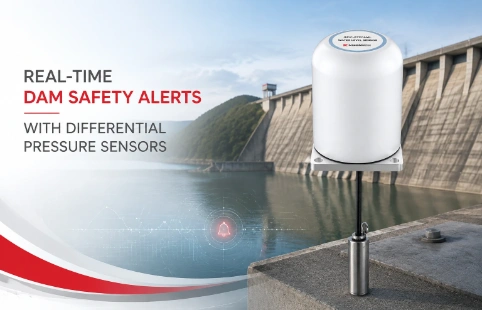
Real-Time Dam Safety Alerts with Differential Pressure Water Level Sensors
Key Takeaways An alert chain needs more than a sensor: define field in...

Capacitive Soil Moisture Sensors That Deliver Consistent Data
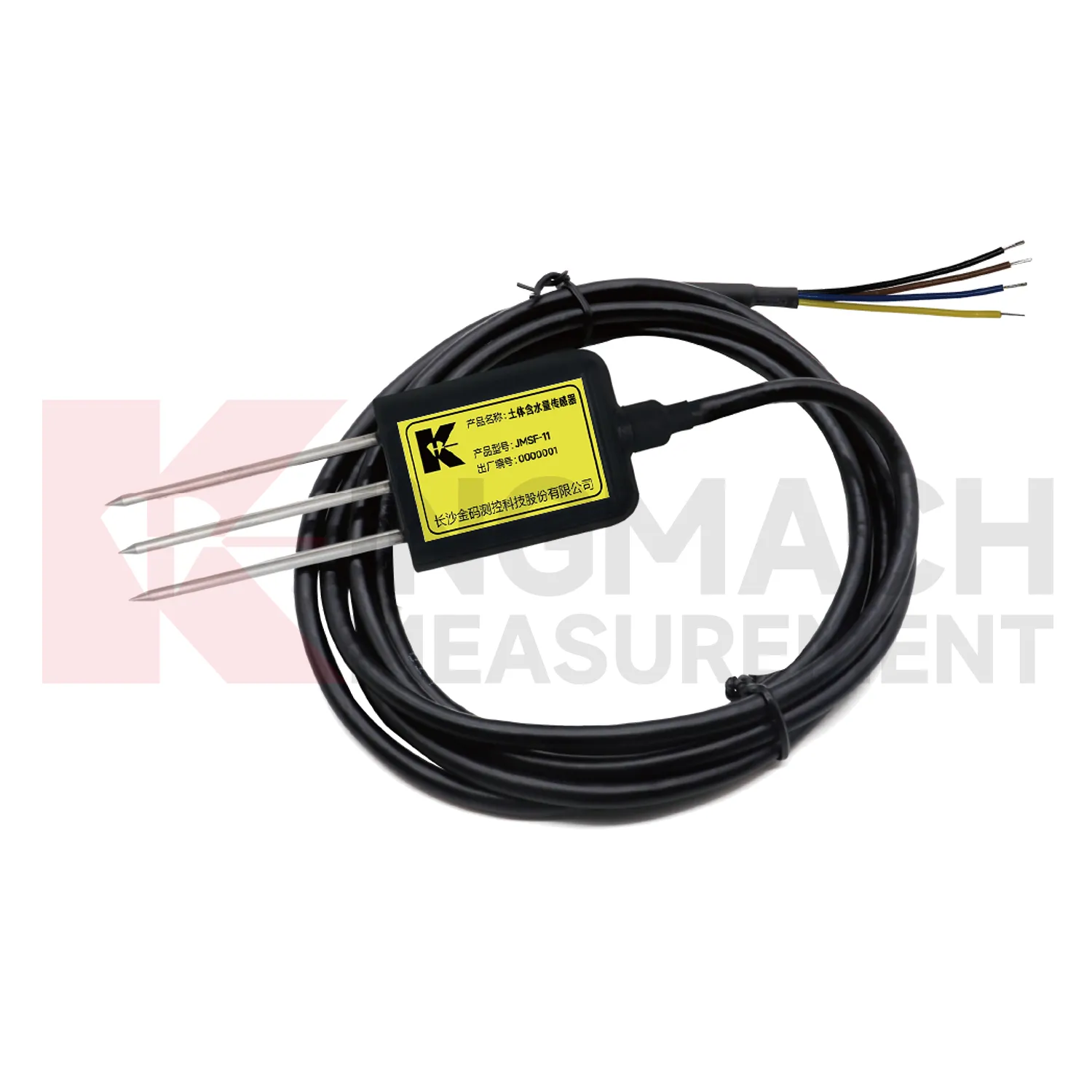
Not all capacitive sensors hold up in the field. Drift, corrosion, and poor calibration eat into your data quality. Kingmach designs its sensors to give you readings you can actually trust, whether you're tracking irrigation in sandy soil or monitoring slope stability in clay. With decades of geotechnical manufacturing behind us, we've seen where cheaper probes fail—and we build ours to avoid those traps. Our range covers everything from shallow agricultural probes to deep borehole installations. Custom outputs, cable lengths, and even probe geometries are standard for us, not a special request. And when something goes sideways, our support team doesn't just send a manual; they help you diagnose the problem.
Technical Detail
Capacitive soil moisture sensors use the soil's dielectric permittivity to estimate water content—no gypsum blocks to dissolve, no needles to polarize. Kingmach's sensors take that principle and wrap it in a package that survives real trench conditions. The probe body is sealed to IP68, and we pay attention to the small things: the transition from cable to probe, the surface finish that resists mineral buildup, the circuitry that ignores stray capacitance from long cable runs. You can spec them with SDI-12, RS485, or a simple 0–2.5 V analog output. For researchers, we offer a calibration service where you send us a few kilos of your soil and we tune the sensor's curve to match. In one vineyard project in clay-loam, that cut the error from ±5% to under 2%. Standard models cover 0–50% VWC with ±3% accuracy; extended-range probes go drier. If you're putting sensors into a landslide-monitoring network, we can build armored cables and rugged connectors that survive being buried for a decade. And when the first one fails—because eventually, everything does—we'll have a replacement out quickly through our distributor network. No long downtimes, no orphaned data sets.
News
Key Takeaways An alert chain needs more than a sensor: define field in...
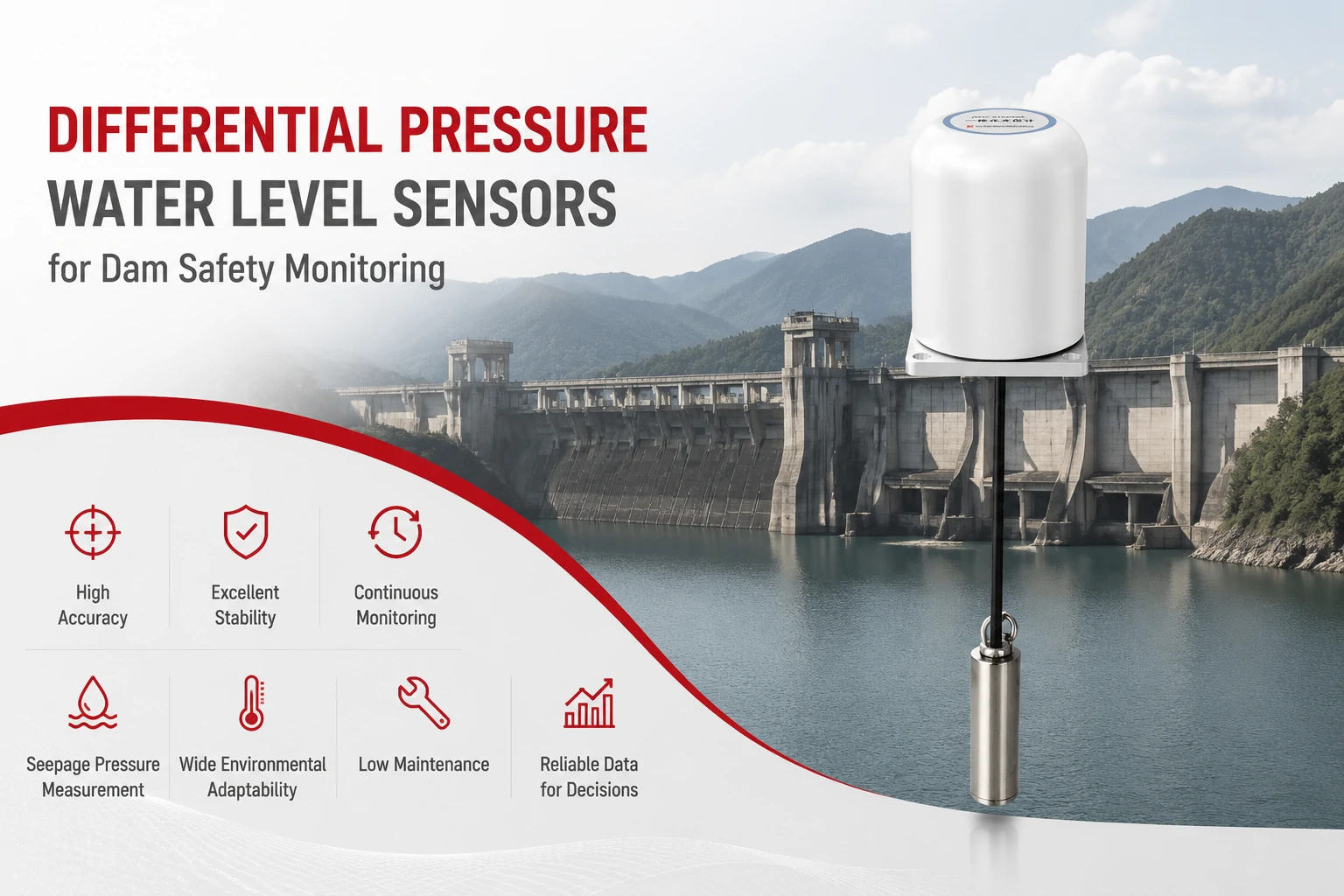
Key Takeaways The strongest fit is usually a confined, submerged, or s...
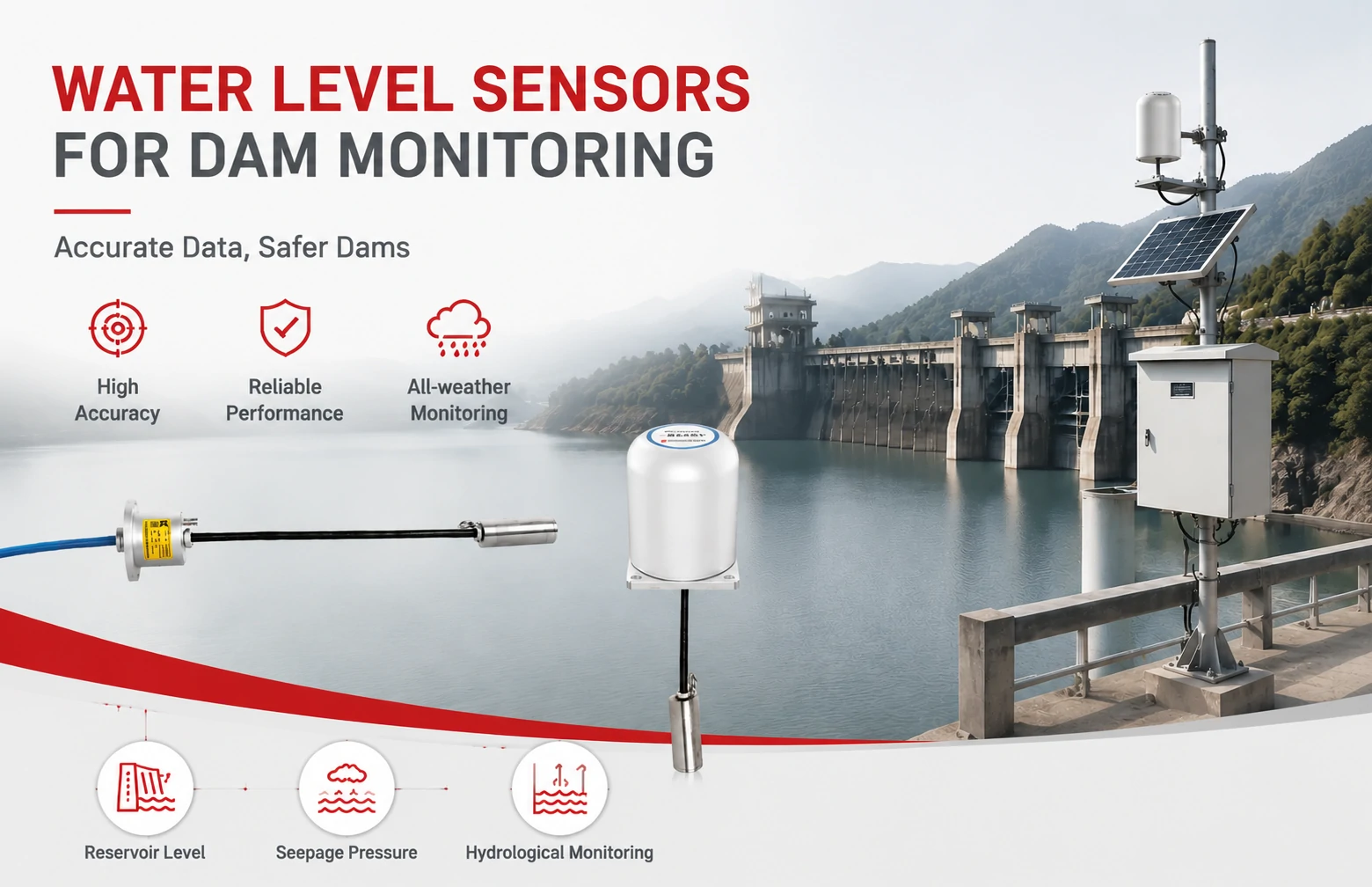
Kingmach Water Level Sensors for Dam Monitoring: A Buyer's Guide to Differential Pre...
Products
FAQ
Capacitive sensors measure water content by dielectric permittivity; tensiometers measure soil water tension. Capacitive types need less maintenance and don't cavitate in dry soil, but they don't tell you how tightly the water is held. They're complementary.
Most of our sensors output 0-2.5V or SDI-12, which are compatible with common loggers. We can also customize the connector—tell us your logger model and we'll match the pinout.
With proper installation, the probe itself lasts 5–10 years in soil. The cable jacket is usually the first to fail from animal bites or UV. We recommend conduit for long runs above ground.
For high-accuracy work, yes. Our sensors ship with a generic calibration that works for most mineral soils, but if you need sub-3% error, send us a sample and we'll generate a custom curve.
We have a global distributor network and engineers who can walk you through installation and troubleshooting remotely. If a sensor fails, we'll diagnose it over a call first—often it's a wiring issue.
Share your product type, target capacity, and application requirements. Our team can review the details and recommend a practical next step.
If you are interested in our products or want to become our partner.
Please leave your contact information, our team will contact you as soon as possible.
Mail: [email protected]
Contact Us: +8613808434127
Address: No. 188 Tongzipo West Rd, Changsha, Hunan, China