
 EN
EN
 ar
ar bg
bg hr
hr cs
cs da
da nl
nl fi
fi fr
fr de
de el
el hi
hi it
it ko
ko no
no pl
pl pt
pt ro
ro ru
ru es
es sv
sv tl
tl iw
iw id
id lv
lv lt
lt sr
sr sk
sk sl
sl uk
uk vi
vi et
et hu
hu th
th tr
tr fa
fa ms
ms hy
hy ka
ka ur
ur bn
bn mn
mn ta
ta kk
kk uz
uz ku
ku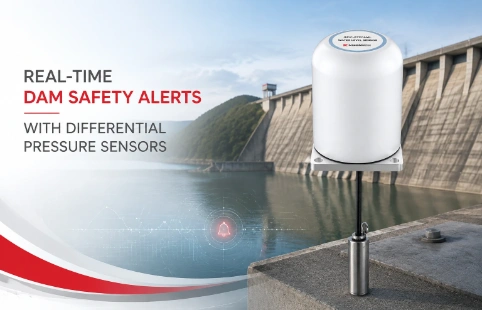
Real-Time Dam Safety Alerts with Differential Pressure Water Level Sensors
Key Takeaways An alert chain needs more than a sensor: define field in...

Automated Acquisition Systems for Precision Monitoring
On a remote landslide-prone slope, sending a crew every week to download data from loggers just isn’t practical. Yet many monitoring programs still rely on this kind of manual readout, often with gaps between visits that can miss critical warning signs. Automated acquisition systems change that equation. By connecting sensors directly to a central hub that logs, processes, and transmits data on a set schedule, you get near real-time insight without the constant site trips. Kingmach has been building these systems for years, focusing on the harsh environments geotechnical instruments face—temperature swings, moisture, and limited power access. Our approach doesn‘t lock you into a proprietary black box. We provide building blocks: data loggers, multiplexers, and communication modules that you can configure around your existing sensors and project needs. Whether it’s a single borehole or a wide-area network of inclinometers and piezometers, the system scales. And because we manufacture the instrumentation ourselves, customization doesn‘t add months of lead time. This focus on adaptable, field-proven automation has put Kingmach gear on rail embankments, open-pit mines, and dam sites where reliability isn’t negotiable.
Technical Detail
The core of any automated acquisition system is the data logger, and Kingmach designs these with an eye toward long-term, unattended operation. Our loggers support standard sensor inputs—vibrating wire, 4-20 mA, RS-485, and thermistor—so they can connect to most geotechnical instruments without external signal conditioners. Built-in memory stores months of data locally as a backup even if transmission fails, and low-power components help solar panels keep the system charged through cloudy stretches. For larger arrays, multiplexers and expansion modules let you add channels without adding loggers, which keeps cost per sensor point manageable. Communication is handled by 4G/3G modules or radio telemetry, so you can check readings from the office rather than the field. This doesn’t require proprietary software; Kingmach systems output data in open formats that integrate with common monitoring platforms. Another area where automated systems make a difference is alerting—programmable thresholds can trigger SMS or email warnings when movement or pressure exceeds set limits, reducing response time to potential failures. Customization is built into our workflow. Need a specific measurement interval, a weatherproof enclosure for tropical conditions, or a report format to match your client’s requirements? Our engineering team adjusts the hardware and firmware accordingly. And because we run our own manufacturing, lead times stay short even for nonstandard orders. A worldwide distributor network also means local technical support is available, whether you’re commissioning a system or troubleshooting five years into operation.
News
Key Takeaways An alert chain needs more than a sensor: define field in...
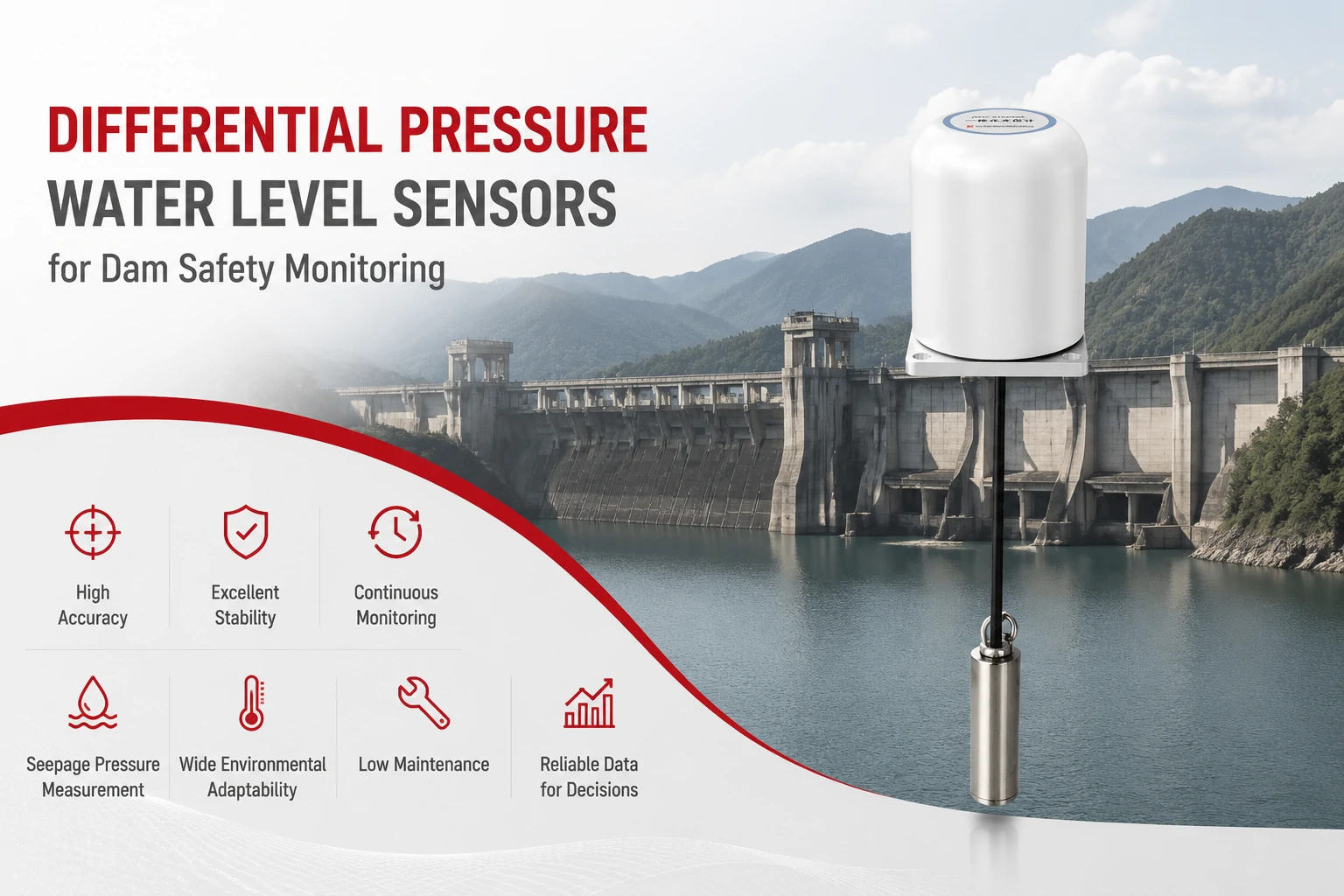
Key Takeaways The strongest fit is usually a confined, submerged, or s...
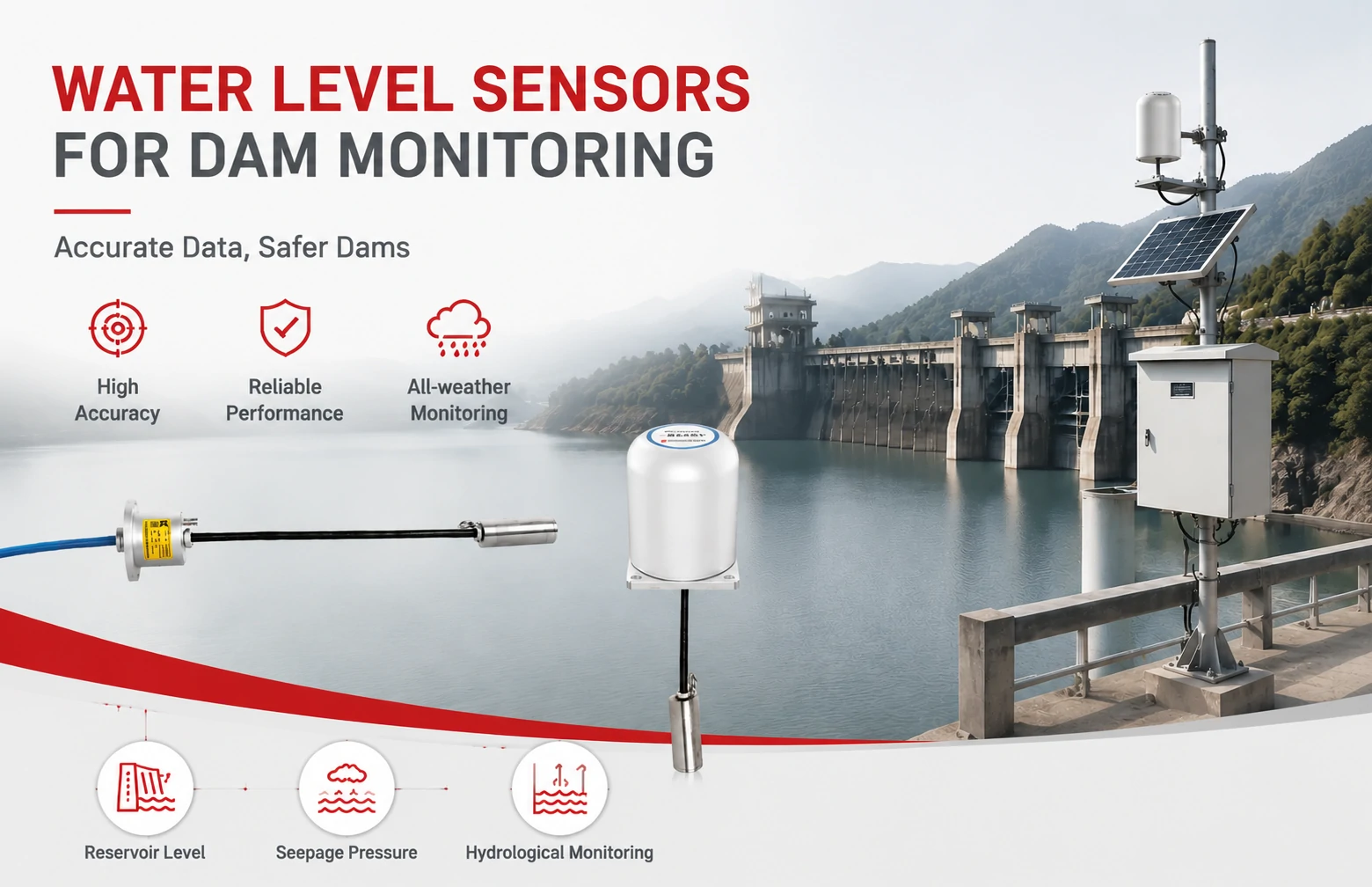
Kingmach Water Level Sensors for Dam Monitoring: A Buyer's Guide to Differential Pre...
Products
FAQ
Our data loggers are compatible with most geotechnical sensors—vibrating wire piezometers, strain gauges, load cells, and thermistors, as well as 4-20 mA instruments and digital sensors over RS-485. If you have a less common sensor, we usually can adapt the input circuit or supply a signal conditioner.
All our loggers have internal memory that stores data on the same schedule as transmission. If connectivity drops, readings are queued and sent when the link is restored. Depending on the logger model, storage can hold several months of data at 15-minute intervals, so even extended outages won’t create gaps.
Yes, user-defined thresholds can be set for each channel. When a reading exceeds or drops below a trigger, the system automatically sends SMS or email notifications. The thresholds and action types are configurable through the management software, and you can delay alerts to avoid nuisance triggers during known disturbance events like construction.
In most cases, yes. As long as the sensors use industry-standard output signals—vibrating wire frequency, current loop, or voltage—our loggers can connect directly. We can also provide wiring diagrams for specific sensor models during integration if needed. Our team often helps retrofit existing sensor networks.
Through our global distributor network, we offer local technical support for commissioning, training, and troubleshooting. Remote assistance is always available by phone or email. We also stock spare parts and can provide maintenance contracts that include periodic system health checks and firmware updates.
Share your product type, target capacity, and application requirements. Our team can review the details and recommend a practical next step.
Related Keywords
If you are interested in our products or want to become our partner.
Please leave your contact information, our team will contact you as soon as possible.
Mail: [email protected]
Contact Us: +8613808434127
Address: No. 188 Tongzipo West Rd, Changsha, Hunan, China