
 EN
EN
 ar
ar bg
bg hr
hr cs
cs da
da nl
nl fi
fi fr
fr de
de el
el hi
hi it
it ko
ko no
no pl
pl pt
pt ro
ro ru
ru es
es sv
sv tl
tl iw
iw id
id lv
lv lt
lt sr
sr sk
sk sl
sl uk
uk vi
vi et
et hu
hu th
th tr
tr fa
fa ms
ms hy
hy ka
ka ur
ur bn
bn mn
mn ta
ta kk
kk uz
uz ku
ku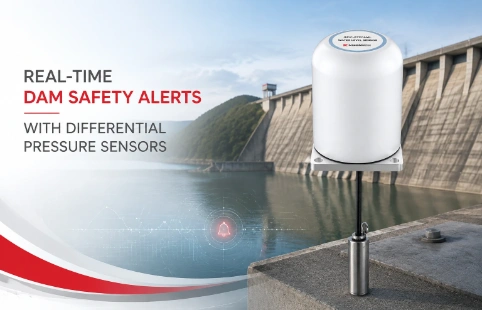
Real-Time Dam Safety Alerts with Differential Pressure Water Level Sensors
Key Takeaways An alert chain needs more than a sensor: define field in...

Ultrasonic Anemometer for Reliable Wind Measurement
Wind speed and direction define countless decisions in meteorology, environmental monitoring, and structural safety. An ultrasonic anemometer takes readings by measuring how sound waves travel between paired transducers. When wind pushes through, the time difference tells you the speed and the vector. Because there are no cups, vanes, or bearings to wear out, the sensor stays consistent season after season. Kingmach builds instruments for professionals who need data they can trust, not units that drift out of calibration after a few storms. The design accepts dust, rain, and coastal salt spray as normal working conditions. If your project requires a specific output protocol or a non‑standard mounting, we can adapt the unit before it leaves the factory.
Technical Detail
Kingmach ultrasonic anemometers sit at a practical intersection of cost and performance, suitable for permanent stations and mobile surveys alike. The measurement principle removes mechanical inertia: transducers fire ultrasonic pulses along orthogonal paths, and onboard digital processing translates arrival‑time differentials into wind speed and direction tens of times per second. This means even gusty, rapidly shifting airflow gets captured without the lag common in cup‑and‑vane sensors. No moving parts also means no periodic bearing replacements, no contact‑induced friction errors, and no ice‑locking in freezing rain. Users report noticeably less time spent on tower climbs for maintenance. Built with sealed, UV‑resistant housings, the sensors handle prolonged exposure without signal drift. Our engineering team can tailor heating options for cold climates, bird deterrents for coastal sites, and analogue or digital outputs (RS‑485, SDI‑12, 4–20 mA) to match your existing datalogger infrastructure. As a dedicated geotechnical instrument manufacturer, Kingmach supports every shipment with setup guidance, wiring diagrams, and a direct line to our application engineers. Whether you are monitoring wind at a wind farm feasibility test mast, a construction site crane, or an agricultural weather station, the same sensor core delivers repeatable data across multiple units. Customers value our ability to fulfill both single‑unit orders for small research projects and bulk shipments for national‑scale observation networks, with consistent delivery times we communicate early and update honestly.
News
Key Takeaways An alert chain needs more than a sensor: define field in...
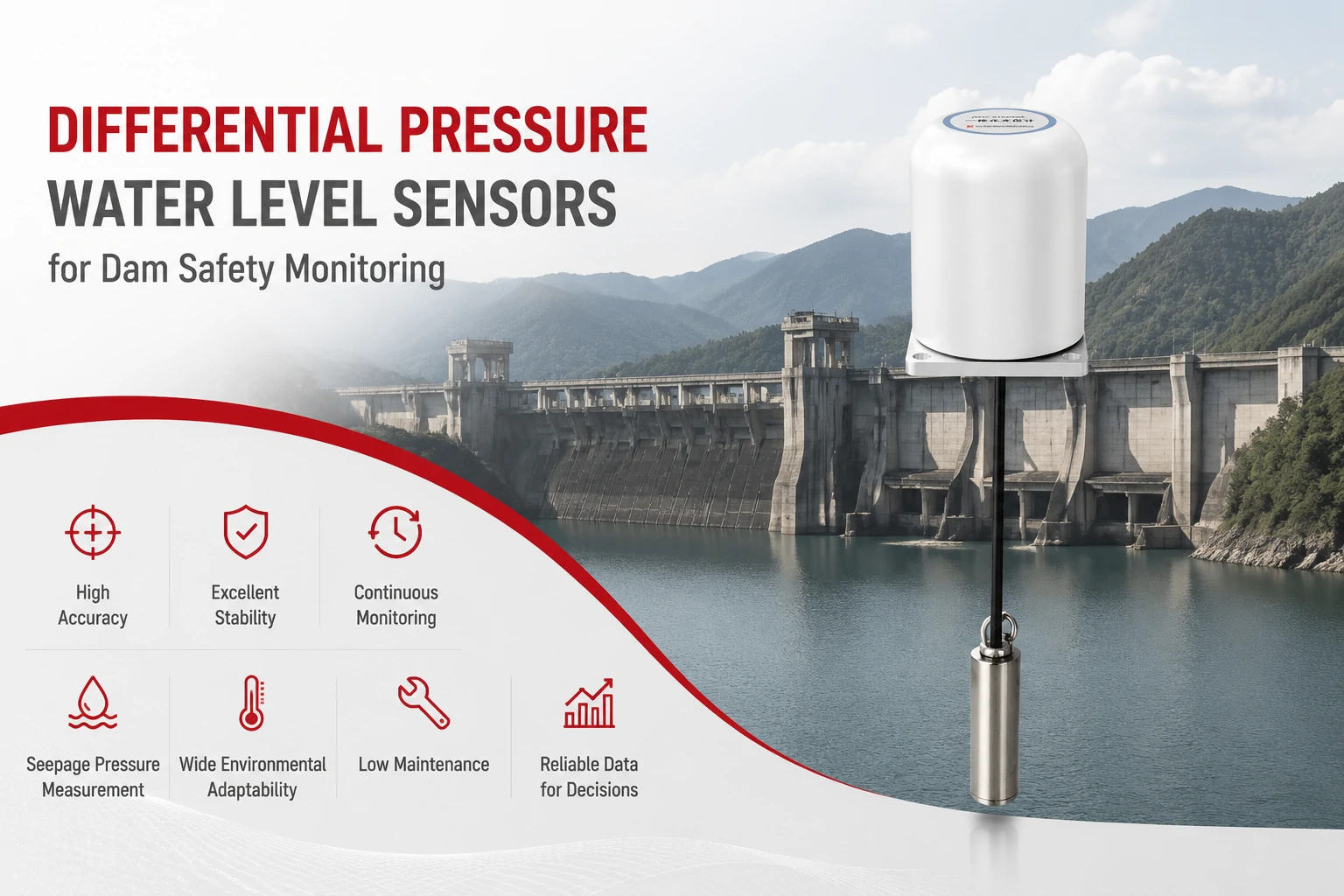
Key Takeaways The strongest fit is usually a confined, submerged, or s...
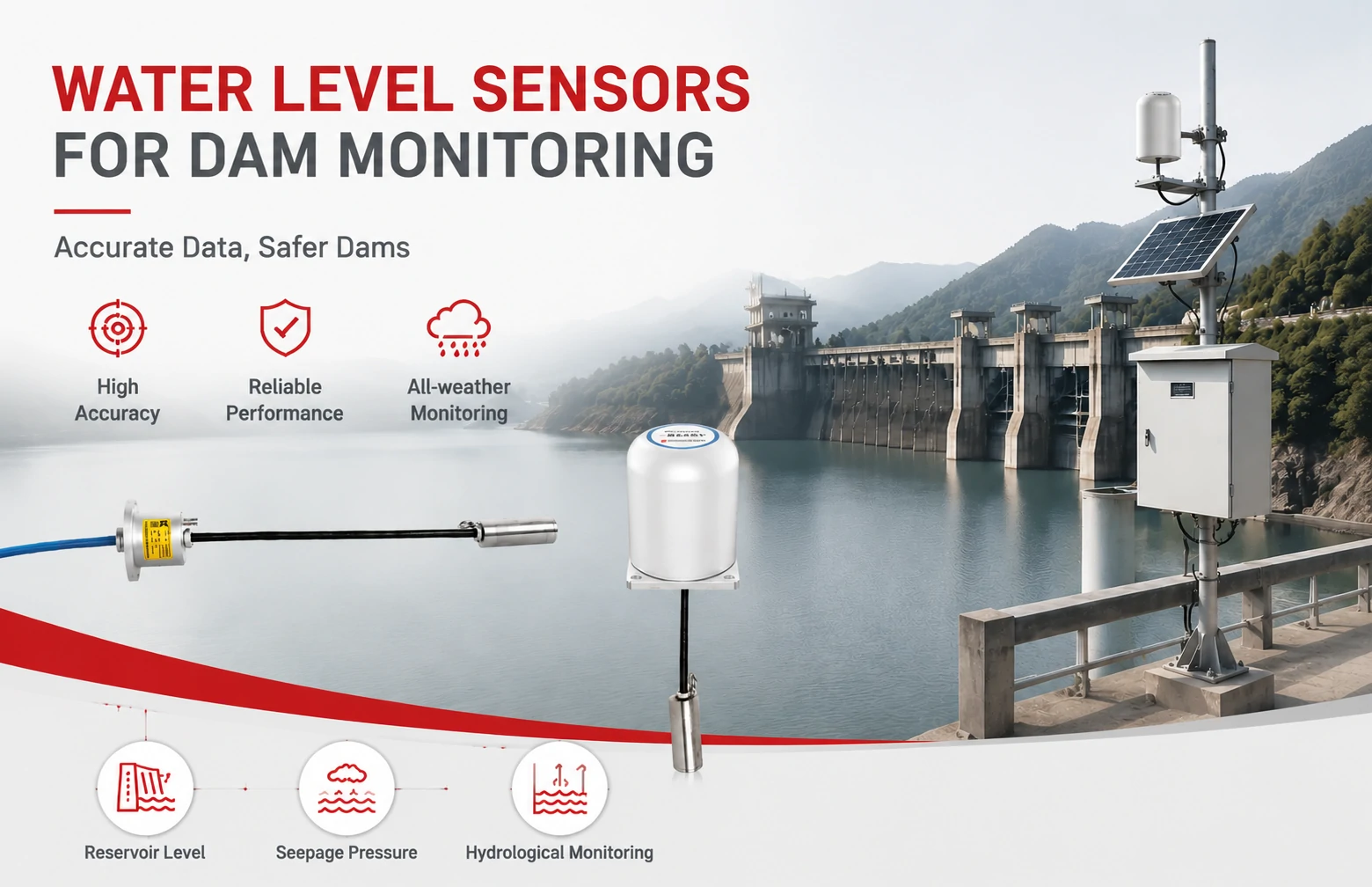
Kingmach Water Level Sensors for Dam Monitoring: A Buyer's Guide to Differential Pre...
Products
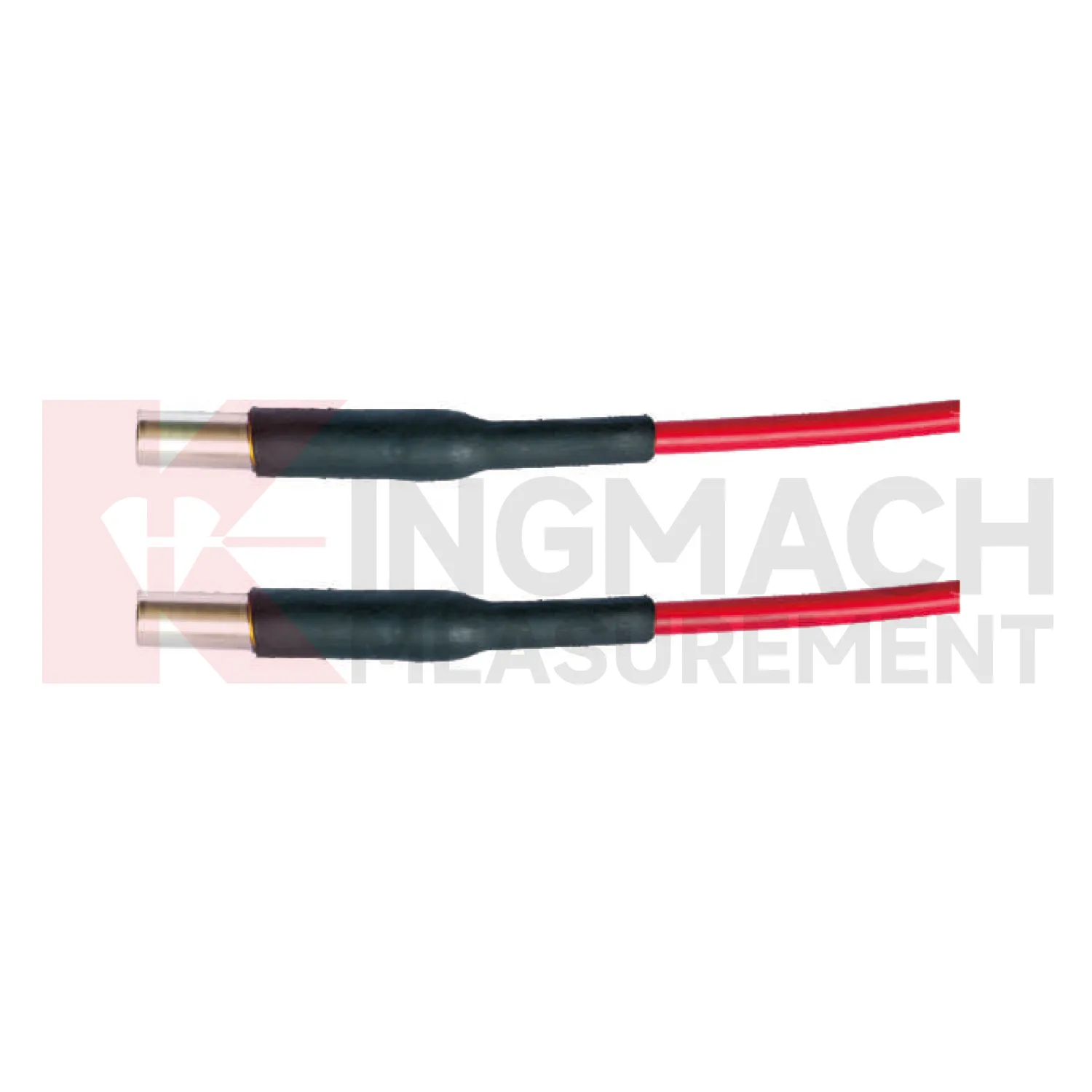
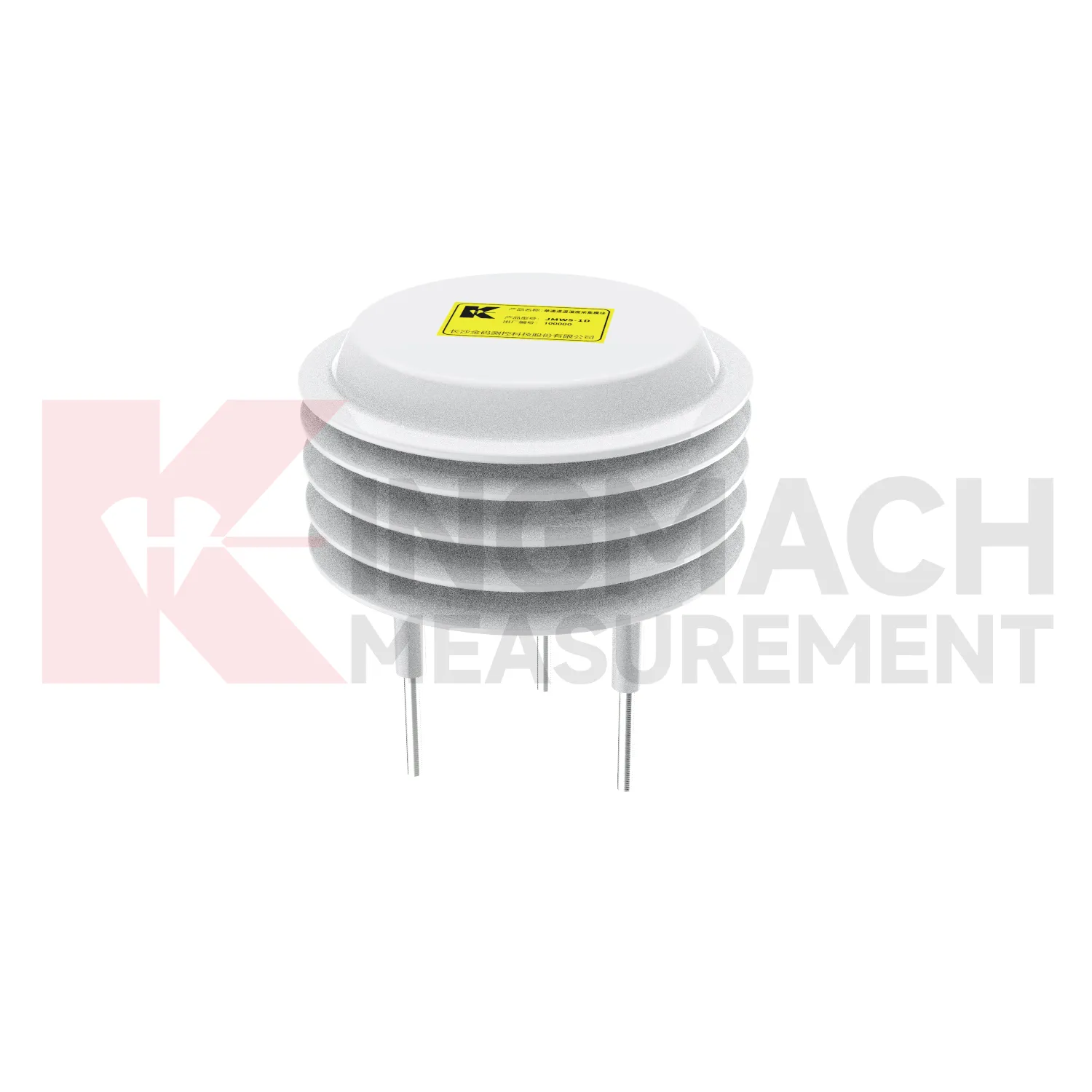
Single-Channel Temperature and Humidity Acquisition Module JMWS-1D
View DetailsFAQ
A cup anemometer measures wind speed mechanically: the wind spins the cups and the rotation rate is converted to a speed. It also needs a separate wind vane for direction. Ultrasonic sensors have no moving parts; they measure speed and direction together by timing sound pulses across gaps. That gets rid of issues like friction, inertia, and the need to frequently oil bearings. Data tends to be more responsive to quick gusts, and you can mount them where maintenance access is difficult.
Most standard field instruments measure horizontal wind speed and direction (2D). If you need vertical wind component for turbulence studies or eddy covariance, we can supply a 3D model with an additional acoustic path. Just tell us the application so we configure the right output. For the typical weather station or crane anemometer, a 2D unit is more than enough.
Very little. There are no bearings to grease or cups to replace. About once a year, check that the transducer faces are clean and free of bird droppings or heavy salt build-up. A soft cloth and water usually do the job. The housing is sealed, so no internal cleaning is needed. If you’ve added the optional heater, just confirm it is working before winter starts.
Common options include RS‑485 (Modbus), SDI‑12, and 4–20 mA. We can also do voltage outputs if your datalogger requires it. Let us know the logger model and we will match the wiring and protocol. Most units get the same sensor element, customized at the connector end.
Yes. The transducers and body are corrosion‑resistant, and the sealed design keeps moisture out of the electronics. Many units run for years on offshore platforms and seaside weather stations without corrosion issues. If you expect very salty spray, we can add a protective coating during assembly.
Share your product type, target capacity, and application requirements. Our team can review the details and recommend a practical next step.
If you are interested in our products or want to become our partner.
Please leave your contact information, our team will contact you as soon as possible.
Mail: [email protected]
Contact Us: +8613808434127
Address: No. 188 Tongzipo West Rd, Changsha, Hunan, China