
 EN
EN
 ar
ar bg
bg hr
hr cs
cs da
da nl
nl fi
fi fr
fr de
de el
el hi
hi it
it ko
ko no
no pl
pl pt
pt ro
ro ru
ru es
es sv
sv tl
tl iw
iw id
id lv
lv lt
lt sr
sr sk
sk sl
sl uk
uk vi
vi et
et hu
hu th
th tr
tr fa
fa ms
ms hy
hy ka
ka ur
ur bn
bn mn
mn ta
ta kk
kk uz
uz ku
ku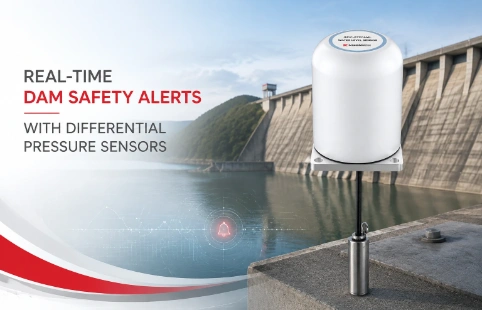
Real-Time Dam Safety Alerts with Differential Pressure Water Level Sensors
Key Takeaways An alert chain needs more than a sensor: define field in...

Multi-Channel Integrated Data Acquisition Module
A monitoring project rarely relies on a single sensor type. You might have vibrating wire piezometers tracking pore pressure, strain gauges on steel beams, and a string of thermistors down a borehole – all feeding data back to the same logging point. Swapping between different readout units or wiring up separate signal conditioners adds time and potential error points. That’s the problem an integrated multi-channel acquisition module addresses. By combining multiple input channels with on-board signal conditioning, one unit can read an entire sensor cluster. Kingmach’s version of this module is built around the idea that field compatibility matters as much as resolution. Inputs accept raw signals from common geotechnical instruments without external adapters, and the channel count can be adjusted to the project. The result is less cabling, fewer auxiliary boxes, and data streams that stay synchronized without extra effort.
Technical Detail
Kingmach puts these modules together with an eye toward the mixed-signal reality of geotechnical and structural monitoring. Instead of a fixed hardware design that locks you into one sensor type, each unit can be factory-configured with a combination of vibrating wire, differential resistance, 4–20 mA, and thermistor inputs. The channel layout is built to order, so a single module often replaces two or three dedicated readout devices. On the measurement side, signal processing happens inside the module to keep noise low. The front end uses high-resolution analog-to-digital converters, and excitation voltages for passive sensors are generated on-board – no external power supplies needed at the sensor end. Readings are time-stamped locally before they leave the module, which helps when you’re correlating data from different sensors at the same timestamp. Connectivity is another area where Kingmach keeps things practical. The module outputs digitized data over RS-485 or TCP/IP, depending on the model, so it drops into existing SCADA or cloud platforms without a proprietary gateway. Configuration is handled through a simple text-based protocol or a lightweight Windows utility; there’s no locked-down ecosystem. For power, the modules accept 9–36 V DC, which covers most solar-powered field setups. And because the channel assignments are documented clearly, integrating the data stream with third-party software is a matter of mapping the register addresses. When a monitoring plan calls for a mix of geotechnical sensors in a tight space – say, a dam instrumentation gallery or a tunnel cross-section – the ability to run everything through one compact acquisition module simplifies logistics. Kingmach provides pinout definitions and a complete command reference so that system integrators can handle the rest.
News
Key Takeaways An alert chain needs more than a sensor: define field in...
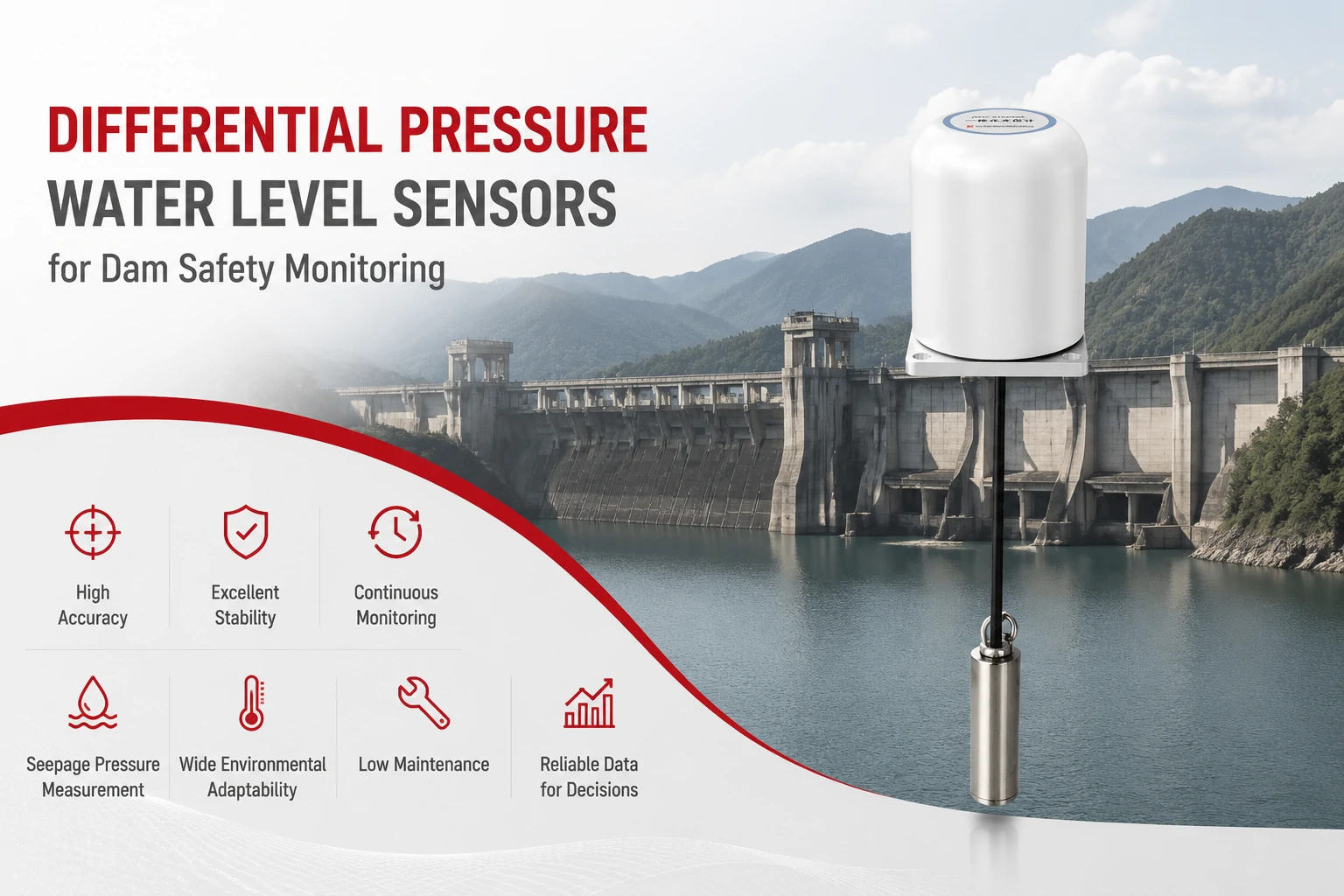
Key Takeaways The strongest fit is usually a confined, submerged, or s...
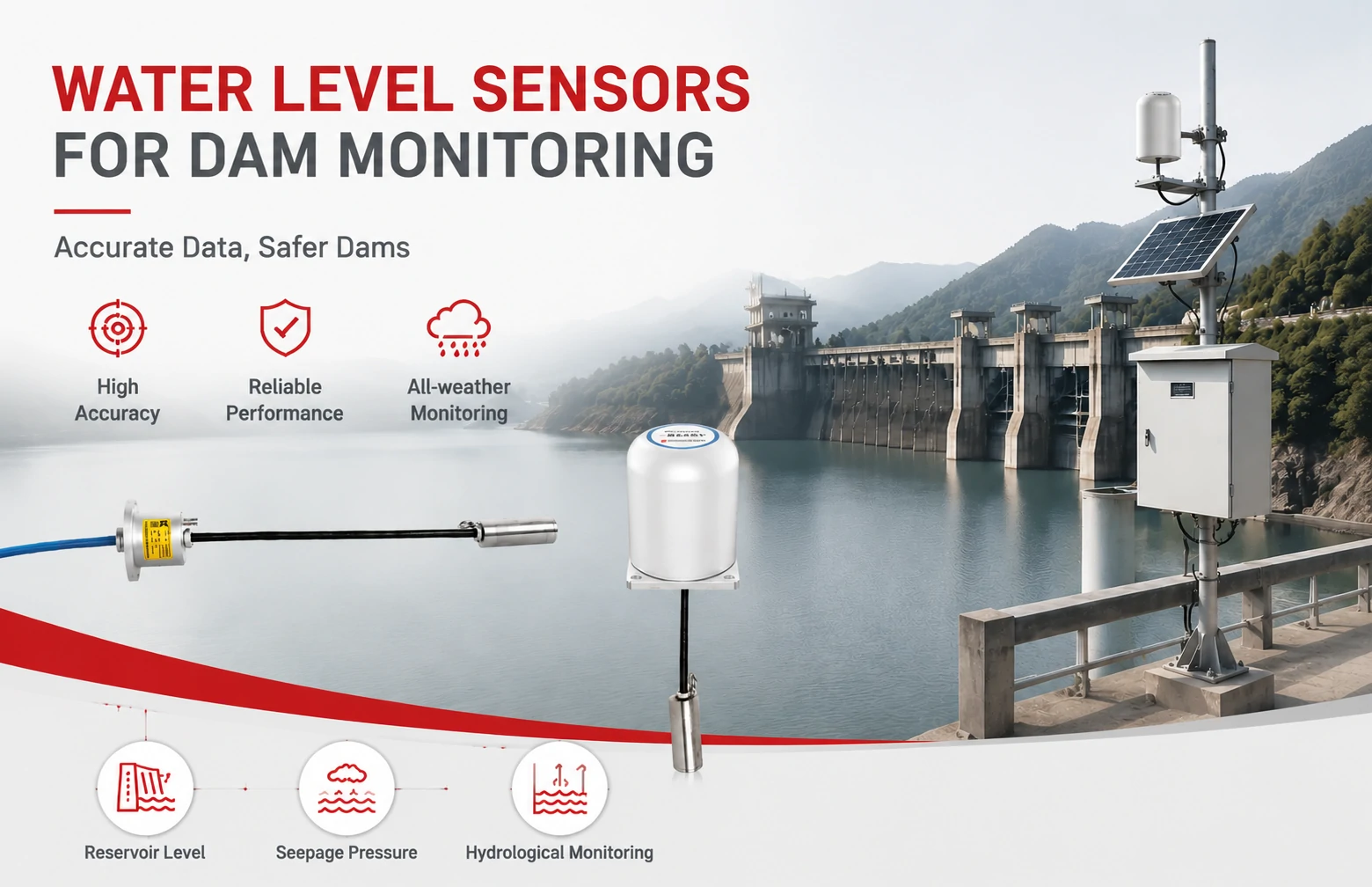
Kingmach Water Level Sensors for Dam Monitoring: A Buyer's Guide to Differential Pre...
Products
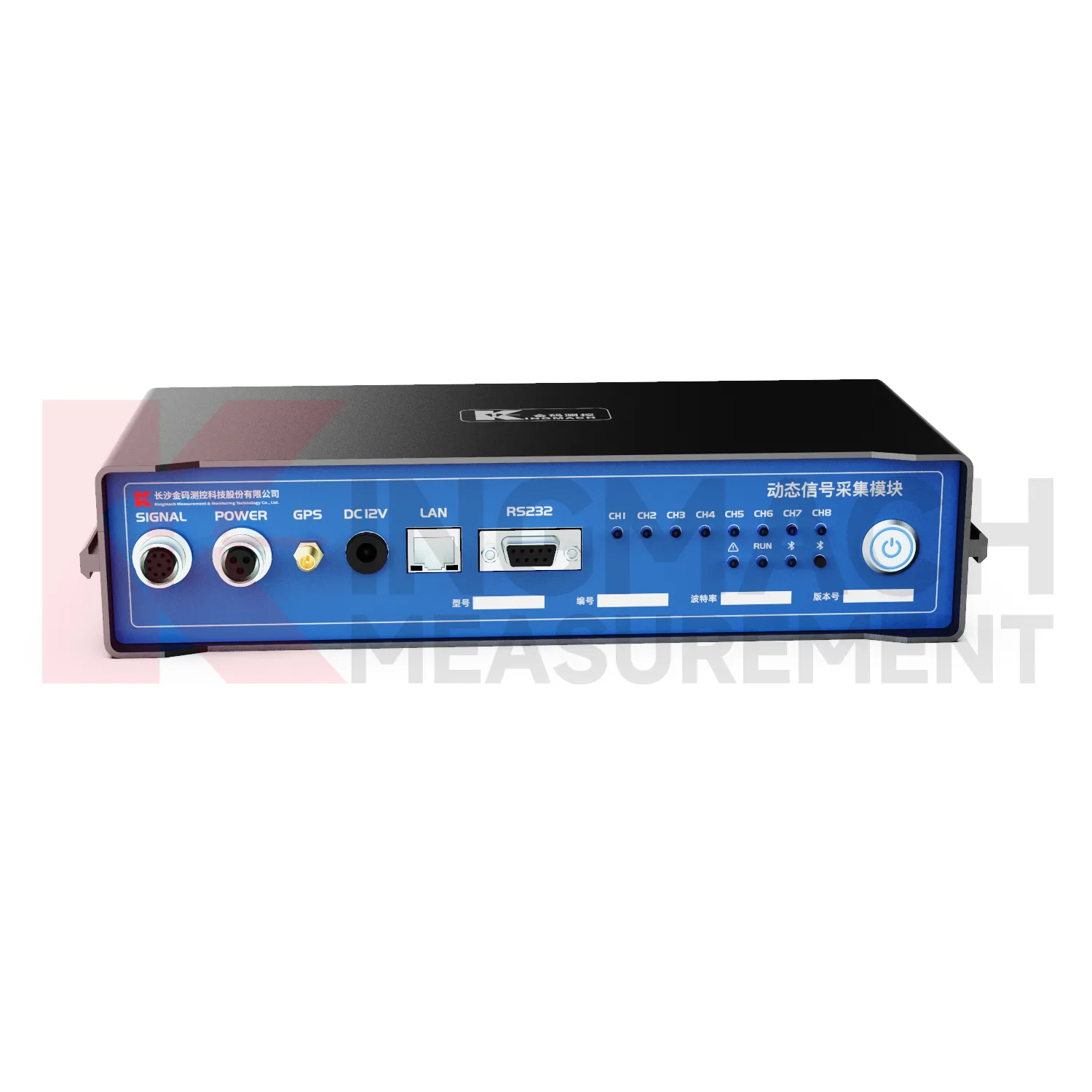
Dynamic signal acquisition module JMYD-1008XC
View Details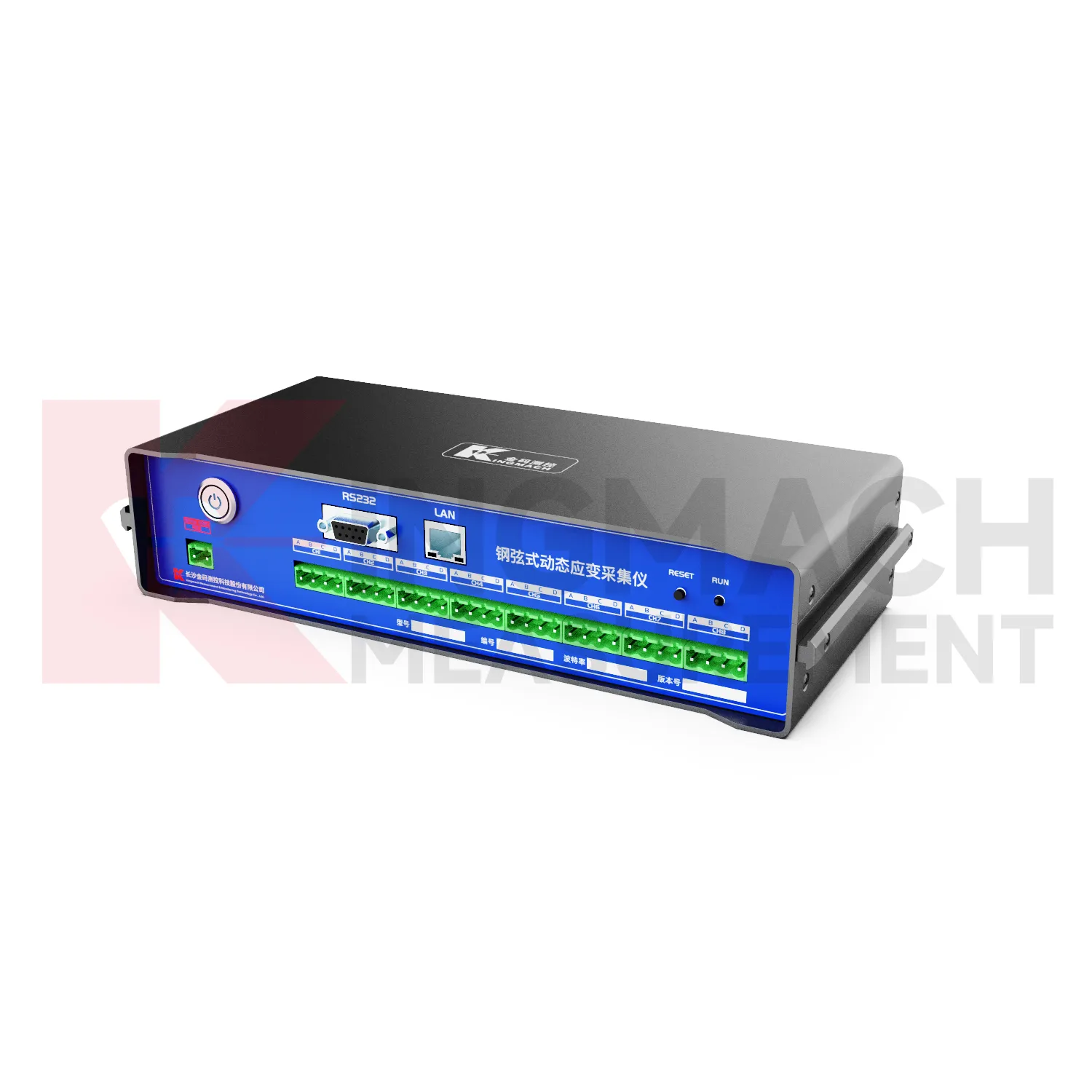
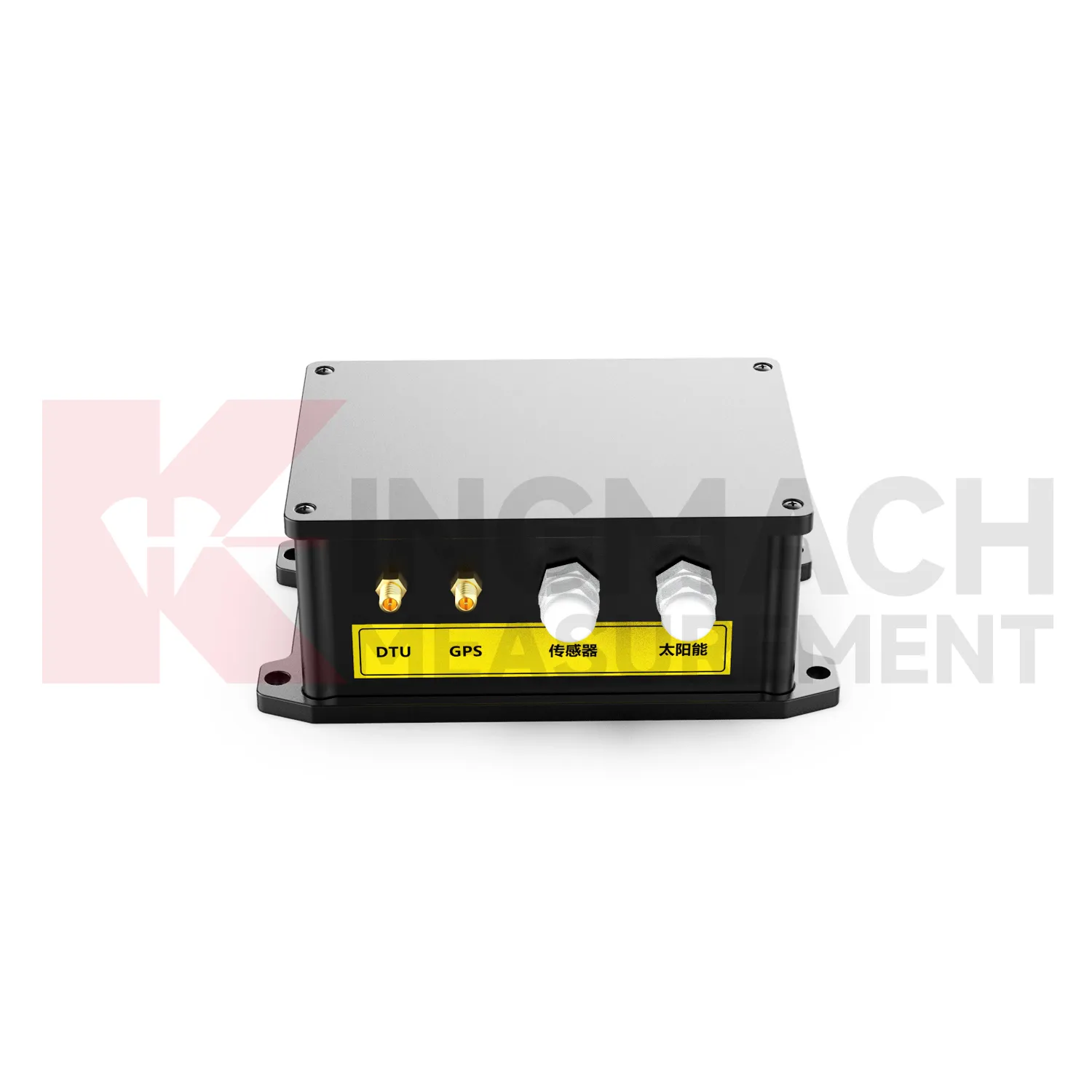
Wireless Data Logger (low power consumption design) JMWX-5RTU
View DetailsFAQ
The standard build supports vibrating wire sensors (including those with built-in thermistors), differential resistance instruments, 4–20 mA transmitters, and direct thermistor inputs. Because the modules are assembled to order, we can also accommodate less common signal ranges – you’ll just need to specify the sensor specs when you request a quote.
It’s configurable. The basic platform allows anywhere from 4 up to 32 channels, depending on the signal mix. If your project only requires 6 vibrating wire channels and 2 analog inputs, we configure exactly that. The housing, power consumption, and data output only scale with the actual channels used, so you’re not carrying unused hardware.
Yes, as long as your system can accept TCP/IP or RS-485 serial data. The module outputs a plain text stream that includes a time stamp, channel identifier, and engineering value. Most SCADA packages and custom loggers can parse this without additional drivers. We can also provide a Modbus RTU mapping if that’s preferred.
It operates on a wide-range 9–36 V DC input, which works with standard 12 V or 24 V solar-battery setups. The excitation for passive sensors is generated internally, so there’s no need to run a separate excitation source out to the sensors. Average power draw depends on the number of channels and the measurement interval, but it’s typically low enough for continuous solar-powered monitoring.
Configuration is done via a plain-text command set sent over the digital interface, or using a small Windows-based utility. You define each channel’s sensor type, calibration coefficients, and engineering units, and the module applies those settings automatically on every measurement cycle. Once it’s set, it runs with no host intervention required.
Share your product type, target capacity, and application requirements. Our team can review the details and recommend a practical next step.
If you are interested in our products or want to become our partner.
Please leave your contact information, our team will contact you as soon as possible.
Mail: [email protected]
Contact Us: +8613808434127
Address: No. 188 Tongzipo West Rd, Changsha, Hunan, China