
 EN
EN
 ar
ar bg
bg hr
hr cs
cs da
da nl
nl fi
fi fr
fr de
de el
el hi
hi it
it ko
ko no
no pl
pl pt
pt ro
ro ru
ru es
es sv
sv tl
tl iw
iw id
id lv
lv lt
lt sr
sr sk
sk sl
sl uk
uk vi
vi et
et hu
hu th
th tr
tr fa
fa ms
ms hy
hy ka
ka ur
ur bn
bn mn
mn ta
ta kk
kk uz
uz ku
ku
vibrating wire rebar strain meter
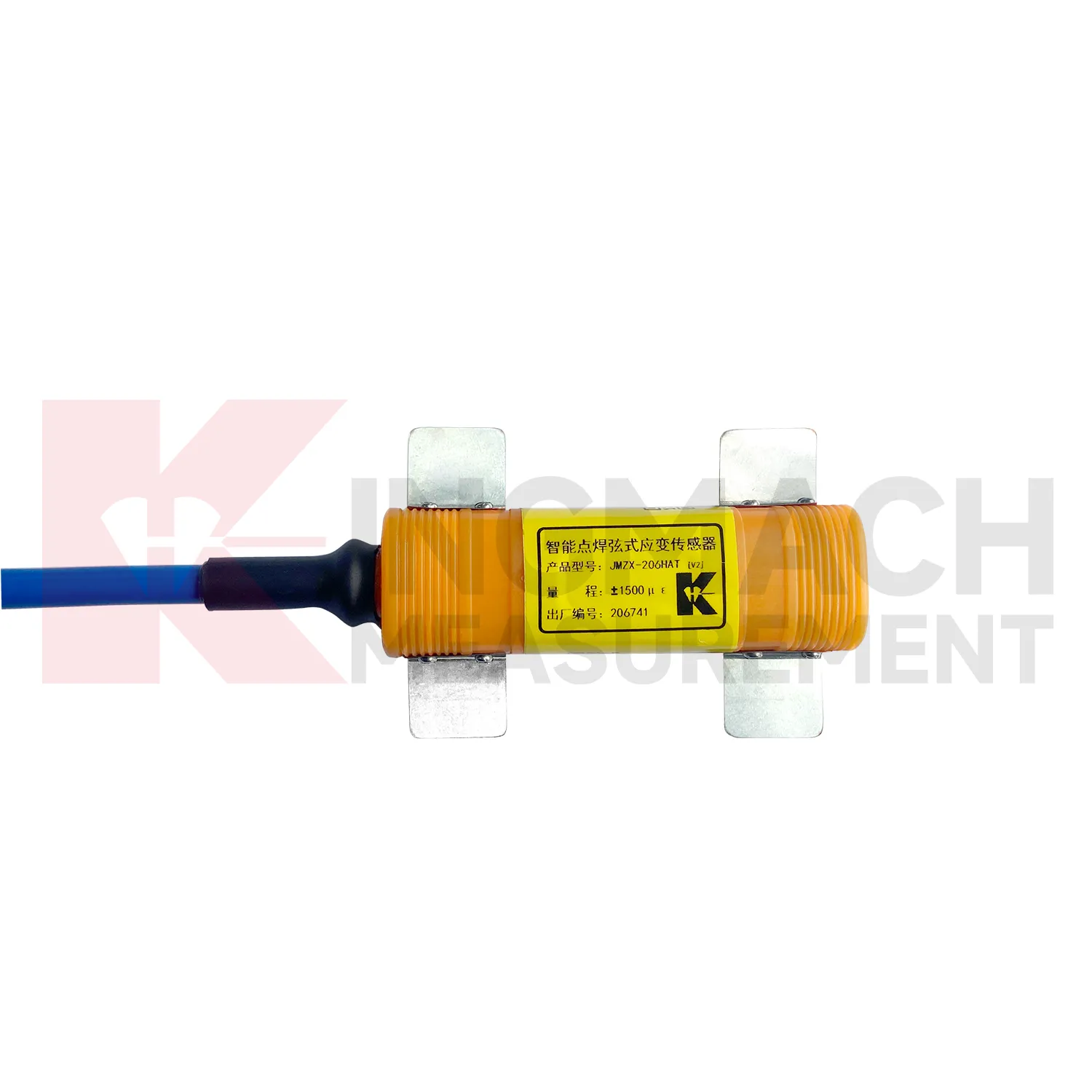
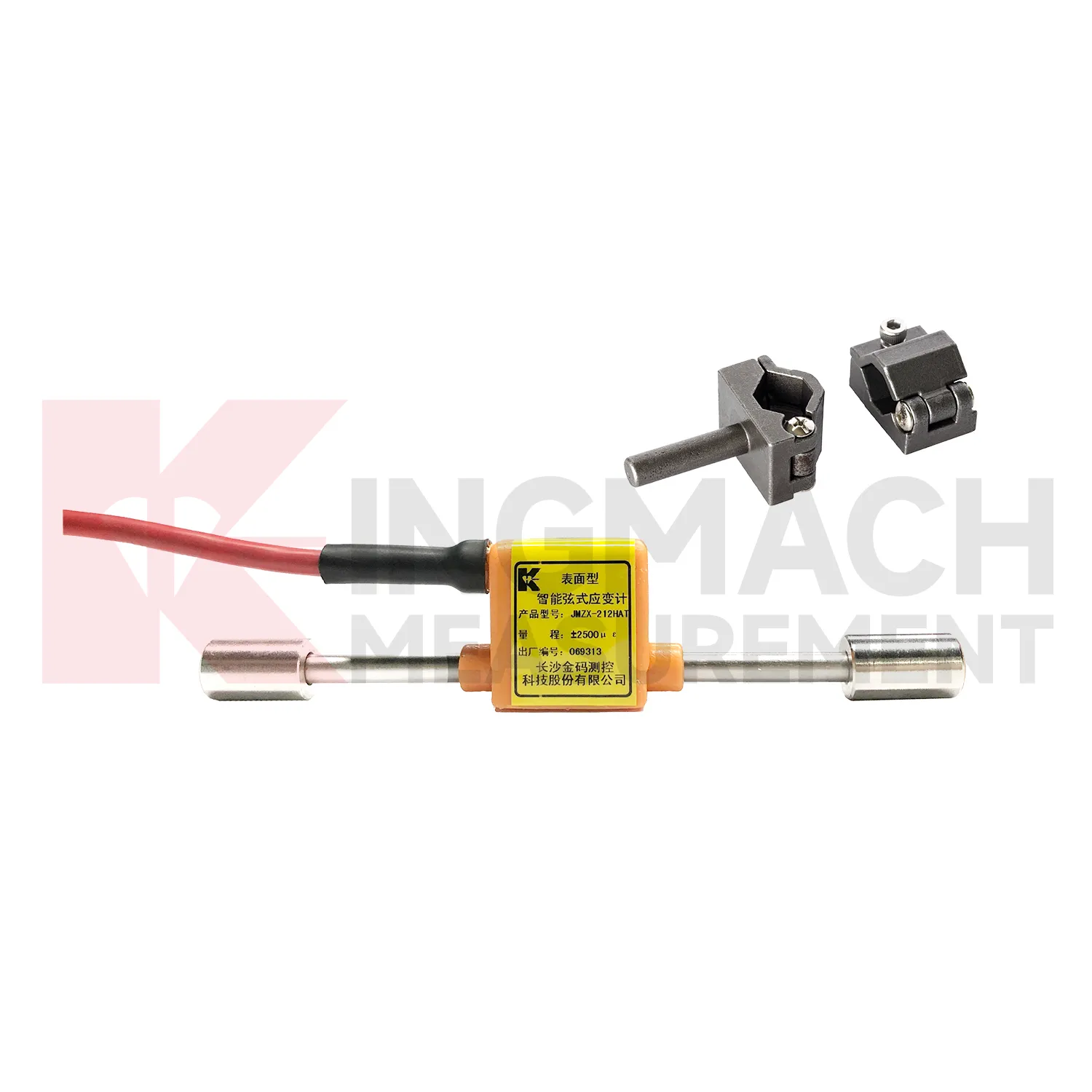
Kingmach {keyword} is suitable for projects that need strain data connected to broader structural health monitoring. The company has operated since 2001 and provides sensors, automated monitoring systems, and smart monitoring platforms for bridges, dams, tunnels, slopes, wind turbines, subways, and buildings. In the strain gauge line, the surface model offers ±2500 microstrain range and 150 meter waterproof performance, the embedded model is tied to rebar before pouring and supports internal concrete strain measurement, and the welded model provides digital detection with storage for up to 800 records. These are not decorative specifications; they answer common project questions about access, durability, traceability, and long distance signal handling. For an engineering buyer, that combination is often more important than a short product label. For Kingmach, the brand information and product specifications work together. The company supplies sensors, acquisition units, and monitoring platforms, so the strain gauge can be specified as part of a complete measurement workflow rather than a loose component. A clear specification record reduces confusion when the same project uses surface, embedded, welded, and rebar based instruments together. That is why model data, calibration values, and channel labels should travel with the product from procurement to commissioning. For field teams, those details also shape installation tools, spare cable length, readout selection, and protection work.
Application of vibrating wire rebar strain meter
For online structural health monitoring, {keyword} can be connected with readouts, acquisition modules, DTUs, wireless loggers, and platforms such as Kingmach's Engineering Pulse system. The practical need is continuous data from difficult locations: bridge girders, tunnel linings, dam galleries, reinforced concrete piles, rail stations, and steel supports. Products such as the JMZX-212HAT/HB and JMZX-215HA/215HAT/HB use vibrating wire frequency signals that can transmit over long distances with strong anti interference performance. The JMZX-206HAT welded model adds digital detection and onboard record storage. Once the readings are collected in a platform, engineers can compare strain with displacement, settlement, tilt, acceleration, temperature, and water pressure. That comparison helps reduce false alarms and makes inspection decisions more evidence based. The main advantage is measured evidence at the point where stress is expected to change, giving owners a cleaner basis for inspection, reinforcement, load control, or continued operation. The same record can support staged construction control, post event inspection, and long term maintenance planning. When data is collected automatically, engineers can compare daily movement instead of relying on occasional manual readings. This gives the project team a better way to separate normal behavior from a change that needs inspection. For field use, the strain point should be named, mapped, protected, and reviewed with nearby sensors before any alarm is judged.
The future of vibrating wire rebar strain meter
For {keyword}, smarter data handling will matter as much as sensor hardware. Kingmach models already support frequency signal transmission, automated acquisition, and in some cases digital detection with stored model numbers, serial numbers, calibration coefficients, and up to 800 records. Future systems can use that identity data to reduce channel mix ups, connect sensors with digital twins, and improve alarm review. Instead of treating a strain alarm as a simple threshold event, platforms can compare strain with temperature, traffic load, reservoir level, excavation stage, or nearby displacement channels. AI warning analysis may help filter routine seasonal movement from abnormal stress change, but final judgment should stay with engineers who know the structure and site history. This trend will be strongest where owners need fewer site visits and cleaner records. Remote bridges, reservoirs, slopes, and rail corridors will benefit from better transmission, lower power hardware, and reliable edge storage. Those improvements fit long term infrastructure monitoring better than one time testing.
Care & Maintenance of vibrating wire rebar strain meter
Preventive maintenance for {keyword} should be scheduled around site risk. Bridges may need checks after heavy traffic incidents, storms, or repair welding. Tunnels and foundation pits may need checks after excavation stages, water inflow, or support changes. Dams may need review during reservoir level changes. Kingmach strain products provide parameters such as 0.5%F.S. accuracy, 0.1 microstrain resolution, waterproof structures, and temperature correction, but those strengths only help when the monitoring point stays protected. Keep a simple maintenance routine: inspect seals and cables, compare baseline trends, verify logger settings, record site events, and flag suspicious channels for engineering review. That routine is plain work, but it prevents expensive confusion later. This keeps maintenance practical for contractors and owners who need reliable records without turning every strain change into an emergency. Review the channel after major site work. Replace damaged protection before water reaches the connection. Compare suspicious readings with nearby channels before repair decisions.
Kingmach vibrating wire rebar strain meter
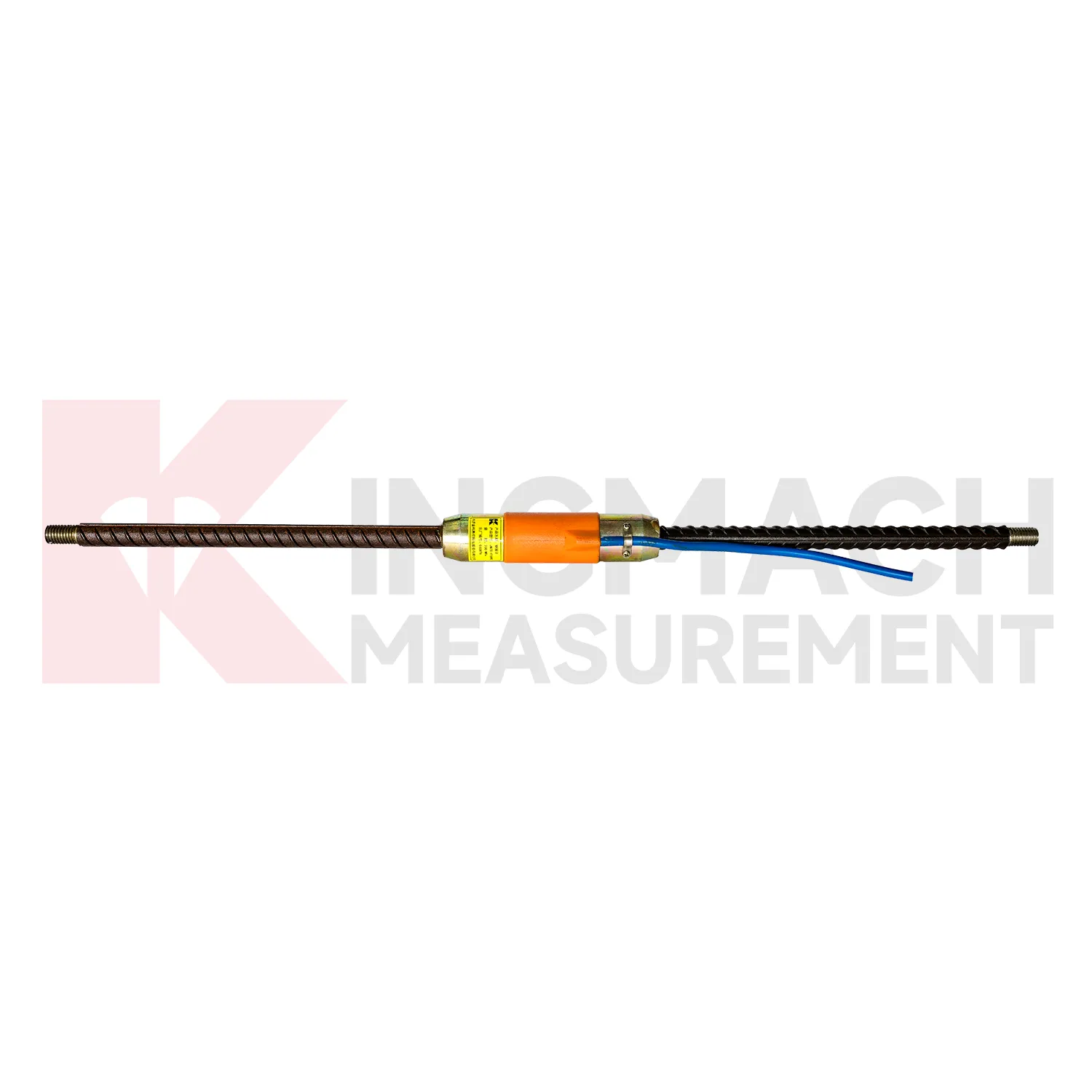
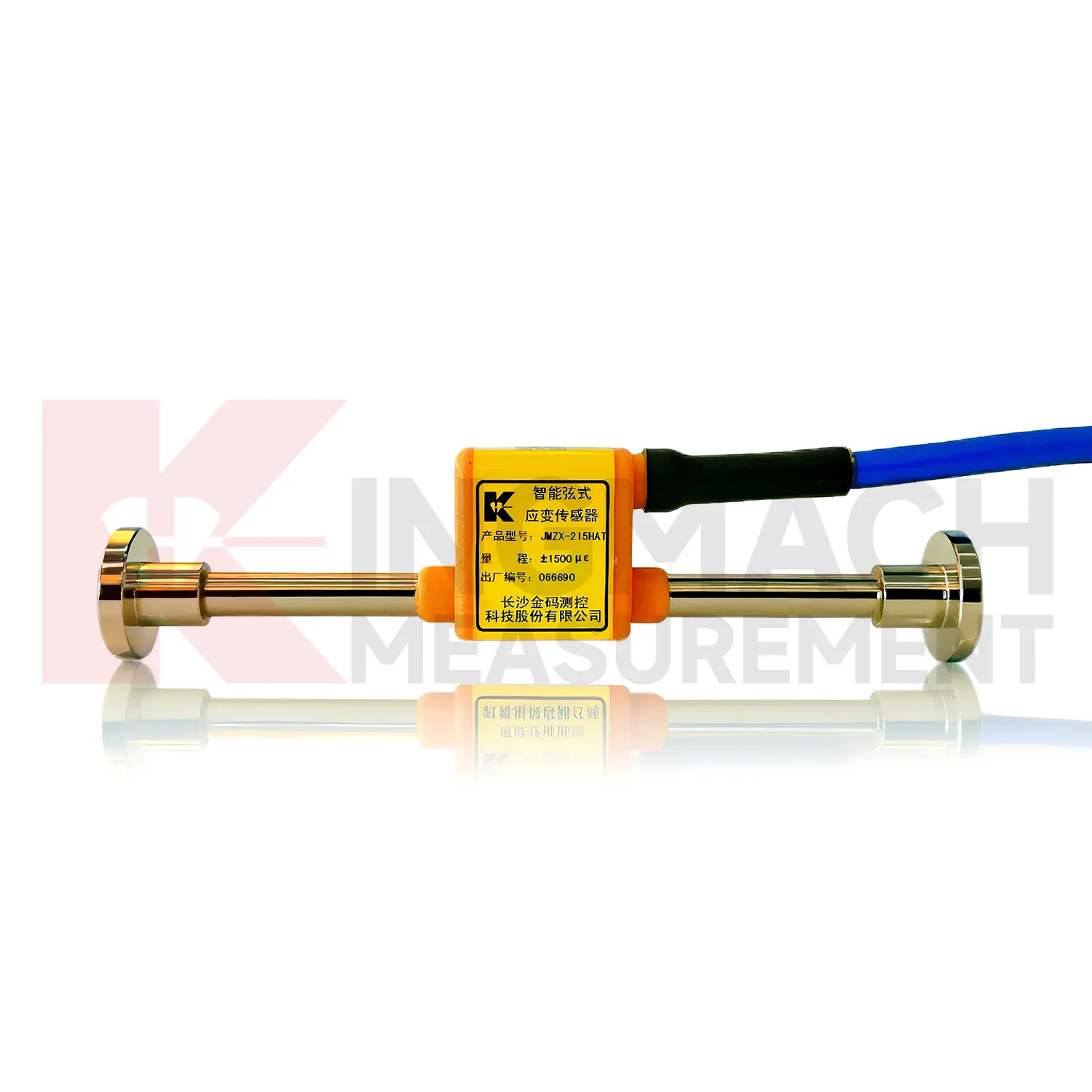
For reinforced concrete work, {keyword} can be installed where the stress path cannot be seen after pouring. Embedded gauges and rebar strainmeters allow engineers to follow internal strain, reinforcement stress, shrinkage, creep, and load transfer inside concrete members. Kingmach's JMZX-215HA/215HAT/HB embedded model is tied to rebar or mounted on brackets before concrete placement, while the JMZX-4XXHAT/HB rebar strainmeter measures stress in reinforcing steel. These instruments are useful in dams, bridges, pile foundations, cut off walls, tunnels, and large buildings. The data helps project teams understand whether the internal structure is carrying load as intended after construction advances. Because the monitoring point is selected around an engineering risk, the reading can support inspection planning, load review, reinforcement work, or acceptance testing. It also gives engineers a cleaner baseline for later comparison. The same data can guide inspection notes and repair timing. Site records matter. That field record supports later inspection.
FAQ
Q: What is the difference between surface and embedded {keyword}?
A: Surface models read strain on accessible concrete or steel surfaces, while embedded models are tied to rebar or brackets before concrete is poured.
Q: What is the difference between welded gauges and bonded gauges?
A: Welded gauges are fixed to prepared steel by spot welding, which can be more suitable for long term steel structure monitoring in some field conditions.
Q: Why use a vibrating wire design?
A: Vibrating wire signals can transmit over long distances with strong anti interference performance, which suits civil infrastructure monitoring.
Q: What does 0.1 microstrain resolution mean?
A: It means the instrument can distinguish very small strain changes, provided installation, cabling, acquisition, and environmental correction are handled correctly.
Q: Can it be used with digital platforms?
A: Yes. Strain readings can be sent through acquisition hardware to monitoring platforms for trend review, alarms, and comparison with other sensor data.
Reviews
James Thompson
The tiltmeters and accelerometers are very sensitive and provide precise data. Perfect for our structural health monitoring system.
Michael Anderson
The strain gauges and load cells are extremely accurate and stable. They performed very well in our bridge monitoring project. Highly recommended!
Latest Inquiries
To protect the privacy of our buyers, only public service email domains like Gmail, Yahoo, and MSN will be displayed. Additionally, only a limited portion of the inquiry content will be shown.
Harper***@gmail.comIndia
Dear Sir, we are planning to procure a complete monitoring system including strain gauges, tiltmeter...
Emma***@gmail.comCanada
Dear Sir/Madam, we are interested in displacement transducers and settlement sensors for a geotechni...