
 EN
 ar
 bg
 hr
 cs
 da
 nl
 fi
 fr
 de
 el
 hi
 it
 ko
 no
 pl
 pt
 ro
 ru
 es
 sv
 tl
 iw
 id
 lv
 lt
 sr
 sk
 sl
 uk
 vi
 et
 hu
 th
 tr
 fa
 ms
 hy
 ka
 ur
 bn
 mn
 ta
 kk
 uz
 ku

strain gauge sensor module
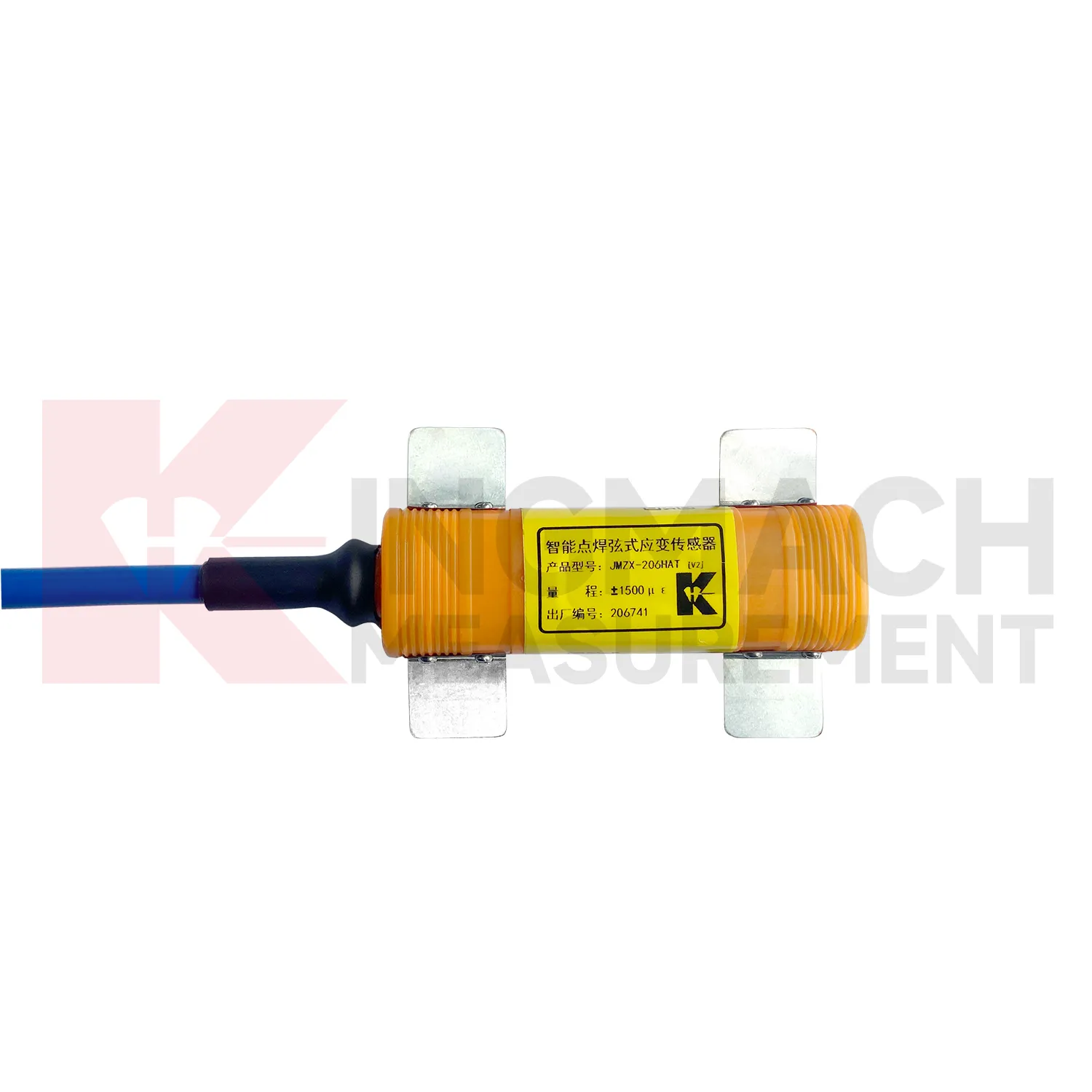
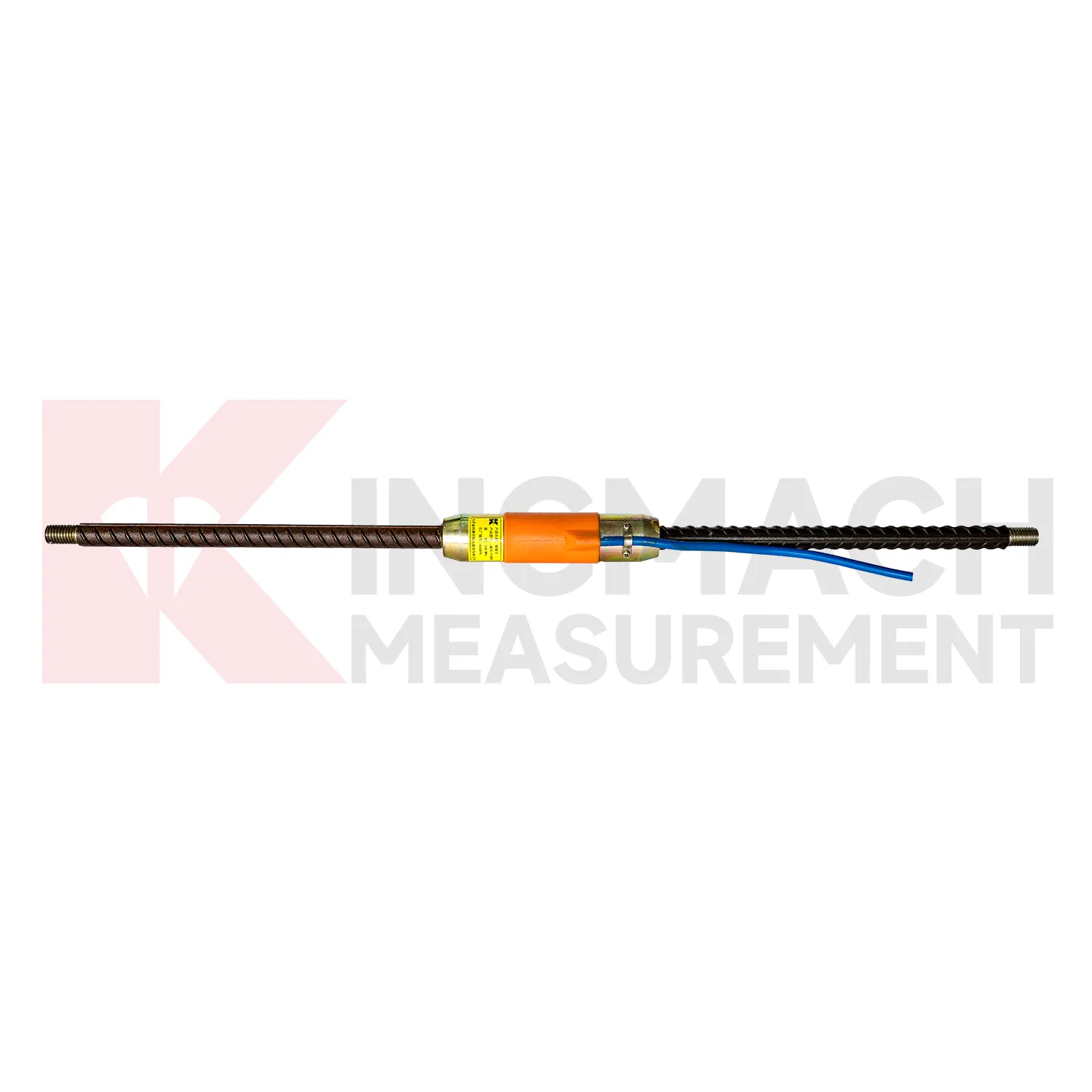
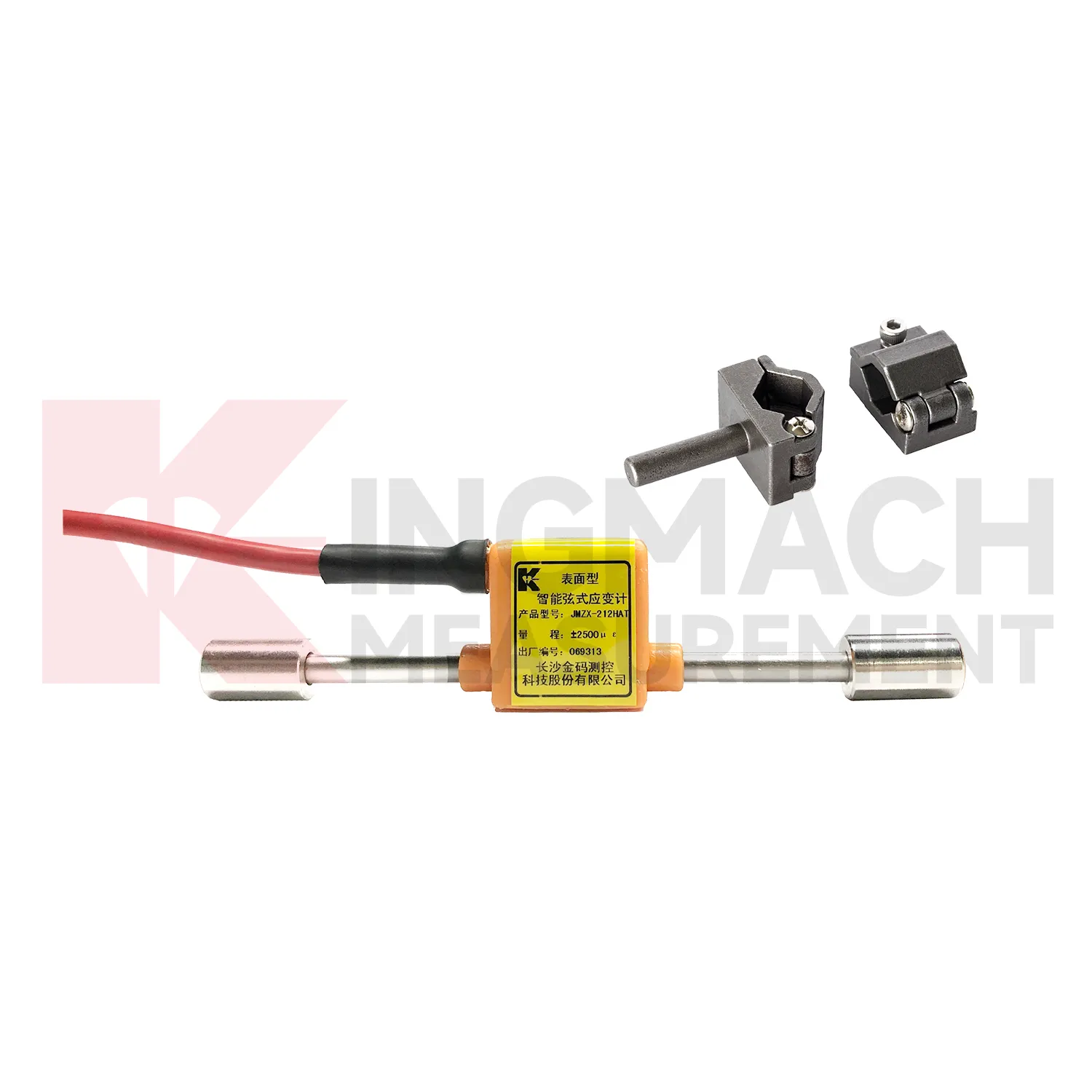
Kingmach {keyword} is designed for engineering strain monitoring where stable readings, field durability, and system compatibility matter. The JMZX-212HAT/HB surface model measures concrete or steel surface strain with a standard range of ±2500 microstrain, 0.5%F.S. strain accuracy, 0.1 microstrain resolution, and a 129 mm gauge length. Its vibrating wire structure uses welded anchoring and built in tension, which helps maintain reliable fixation without depending on shear resistance from the mounting base. The stainless steel fully sealed structure is rated for waterproof performance at depths up to 150 meters, making it suitable for wet or exposed field locations. When used with Kingmach comprehensive readout units or automated acquisition systems, readings can be displayed as physical values or frequency in Hz. The temperature version includes a built in temperature sensor, with a thermometer range from -40℃ to +120℃ and ±0.5℃ temperature measurement accuracy for strain correction. These details give procurement and engineering teams enough information to compare the product against site needs such as measuring range, waterproofing, temperature correction, installation method, and acquisition compatibility. They also keep the specification tied to tested product data instead of loose performance assumptions. A clear specification record reduces confusion when the same project uses surface, embedded, welded, and rebar based instruments together.
Application of strain gauge sensor module
In industrial equipment and load testing, {keyword} can be used on presses, cranes, conveyor frames, lifting fixtures, test beams, calibrated force elements, and strain gauge load cell assemblies. The pain point is uneven force distribution, overload, fatigue, or misalignment that may not be visible during operation. Kingmach surface gauges offer 0.5%F.S. strain accuracy and 0.1 microstrain resolution, while the welded model's low height design helps reduce bending deformation errors on steel members. For force related monitoring, strain readings can support load calculation when the mechanical element and calibration method are properly designed. Data can be read through comprehensive readouts or automated acquisition modules, giving maintenance teams a usable record during factory testing, equipment commissioning, or repeated service checks. For procurement teams, the equipment package behind the sensor should be clear: the gauge, cable, readout, acquisition unit, communication device, platform access, and maintenance record. For field use, the strain point should be named, mapped, protected, and reviewed with nearby sensors before any alarm is judged. The same record can support staged construction control, post event inspection, and long term maintenance planning. When data is collected automatically, engineers can compare daily movement instead of relying on occasional manual readings.
The future of strain gauge sensor module
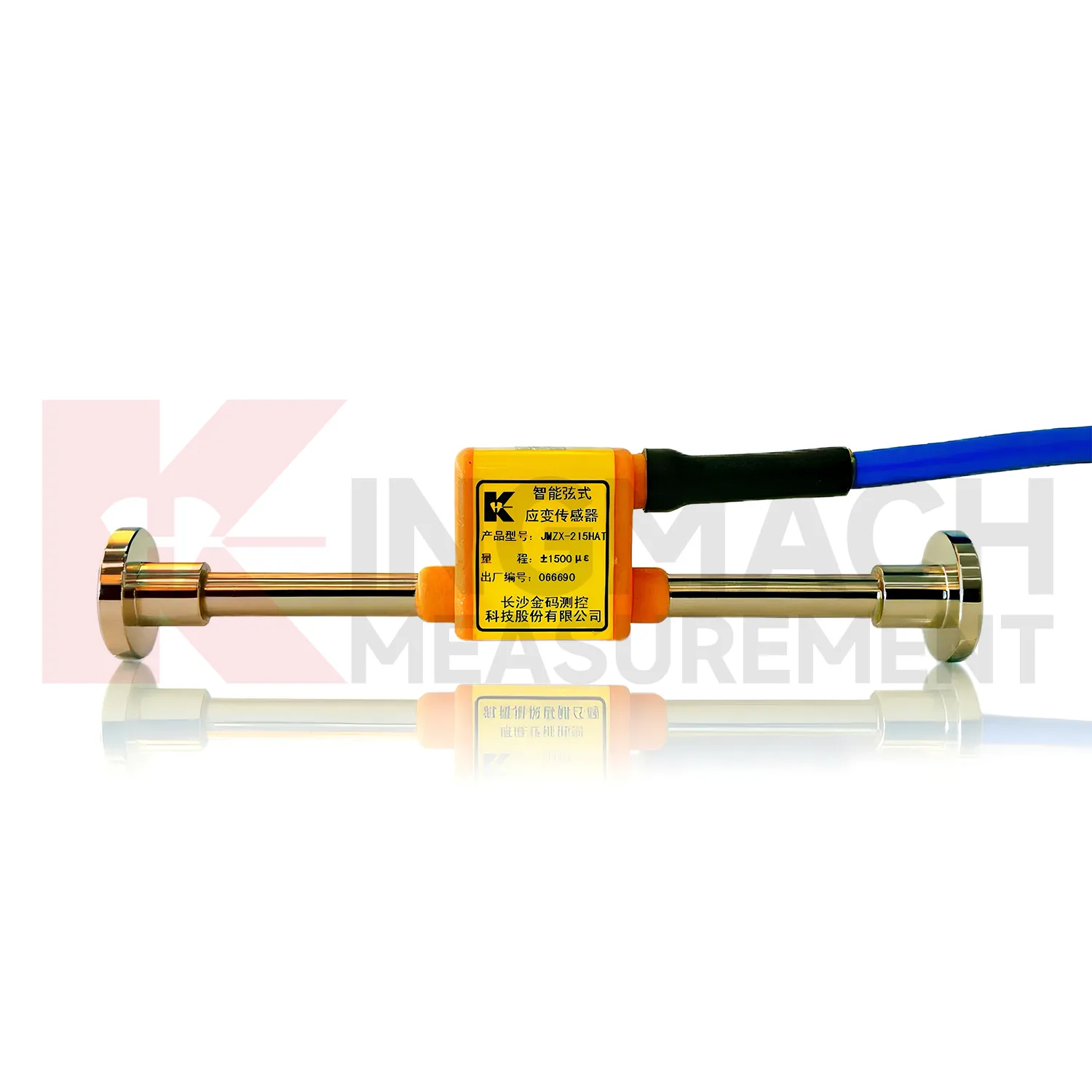
For dams, slopes, and remote infrastructure, the future of {keyword} will depend on low power field systems and remote transmission. A sensor installed in a gallery, anchor zone, or mountain slope may be hard to visit after construction. Kingmach's catalog already includes wireless data loggers, DTUs, acquisition modules, and monitoring platforms, which can support remote strain records when power and communication are designed carefully. Future projects may use LoRa, 5G, solar power, and edge storage to keep readings available during bad weather or network interruptions. Strain data will be more useful when it is reviewed with seepage, water level, settlement, and rainfall records instead of sitting alone. That is why product development should connect hardware durability with data quality, including stable frequency signals, protected cabling, timestamped records, and practical alarm rules. That path keeps the technology tied to field decisions, not abstract promises. It also makes sensor data easier to use in owner reports and maintenance meetings.
Care & Maintenance of strain gauge sensor module
Preventive maintenance for {keyword} should be scheduled around site risk. Bridges may need checks after heavy traffic incidents, storms, or repair welding. Tunnels and foundation pits may need checks after excavation stages, water inflow, or support changes. Dams may need review during reservoir level changes. Kingmach strain products provide parameters such as 0.5%F.S. accuracy, 0.1 microstrain resolution, waterproof structures, and temperature correction, but those strengths only help when the monitoring point stays protected. Keep a simple maintenance routine: inspect seals and cables, compare baseline trends, verify logger settings, record site events, and flag suspicious channels for engineering review. That routine is plain work, but it prevents expensive confusion later. This keeps maintenance practical for contractors and owners who need reliable records without turning every strain change into an emergency. Review the channel after major site work. Replace damaged protection before water reaches the connection. Compare suspicious readings with nearby channels before repair decisions.
Kingmach strain gauge sensor module
For steel structures, {keyword} gives engineers a direct way to watch stress behavior on beams, pipes, braces, trusses, towers, and bridge members. Kingmach's surface and surface welded strain gauge models are designed for exposed steel or concrete surfaces, with the JMZX-206HAT model using spot welding on a polished 10 x 80 mm flat area. This kind of installation can be useful when adhesive bonding is not preferred or when long term steel monitoring is required. Once connected to acquisition equipment, the strain record can reveal bending response, support force variation, fatigue trends, or stress redistribution after repair work. The same approach supports a complete measurement chain, from the sensing point to protected cabling, acquisition hardware, stored records, and engineering review. The same data can guide inspection notes and repair timing. Site records matter. That field record supports later inspection. It also gives engineers a cleaner baseline for later comparison.
FAQ
Q: How should {keyword} be maintained?
A: Inspect the sensor protection, cable route, junction boxes, seals, channel labels, and baseline trends. Compare readings with temperature and nearby sensors before judging an alarm.
Q: How often should calibration be checked?
A: Follow project requirements and review calibration before load tests, major construction stages, repair work, or when readings drift without a clear site reason.
Q: What causes unstable readings?
A: Common causes include loose wiring, water entry, damaged cable jackets, poor grounding, surface debonding, weak welds, wrong acquisition settings, and real structural movement.
Q: Can the sensor be replaced after embedment?
A: Usually not without structural work, so embedded gauges need careful installation, cable protection, and documentation before concrete is poured.
Q: What records should be kept?
A: Keep model, serial number, calibration coefficients, location, installation photos, cable route, channel name, baseline readings, and maintenance notes.
Reviews
Daniel Brown
Excellent environmental monitoring sensors. The data is consistent, and the system integrates smoothly with our existing setup.
Ryan Lewis
Fast delivery and excellent product quality. The accelerometers and tiltmeters are highly reliable. Strongly recommend this company.
Latest Inquiries
To protect the privacy of our buyers, only public service email domains like Gmail, Yahoo, and MSN will be displayed. Additionally, only a limited portion of the inquiry content will be shown.
Olivia***@gmail.comUnited States
Hello, we are currently sourcing high-precision strain gauges and load cells for a bridge monitoring...
Amelia***@gmail.comSingapore
Hello, I am looking for visualization software for monitoring system data analysis. Please let me kn...
Related product categories
- strain sensors manufacturers
- surface strain sensor market
- wholesale strain gauge weight sensor
- strain gauge calibration
- strain gauge measurement
- strain gauge for weight measurement
- strain gauge pressure sensors
- strain gauge application
- strain gauge sensor application
- strain gauge sensor types
- strain gauge vibration sensor
- strain gauge weight sensor