
 EN
EN
 ar
ar bg
bg hr
hr cs
cs da
da nl
nl fi
fi fr
fr de
de el
el hi
hi it
it ko
ko no
no pl
pl pt
pt ro
ro ru
ru es
es sv
sv tl
tl iw
iw id
id lv
lv lt
lt sr
sr sk
sk sl
sl uk
uk vi
vi et
et hu
hu th
th tr
tr fa
fa ms
ms hy
hy ka
ka ur
ur bn
bn mn
mn ta
ta kk
kk uz
uz ku
ku
strain-gauge sensor
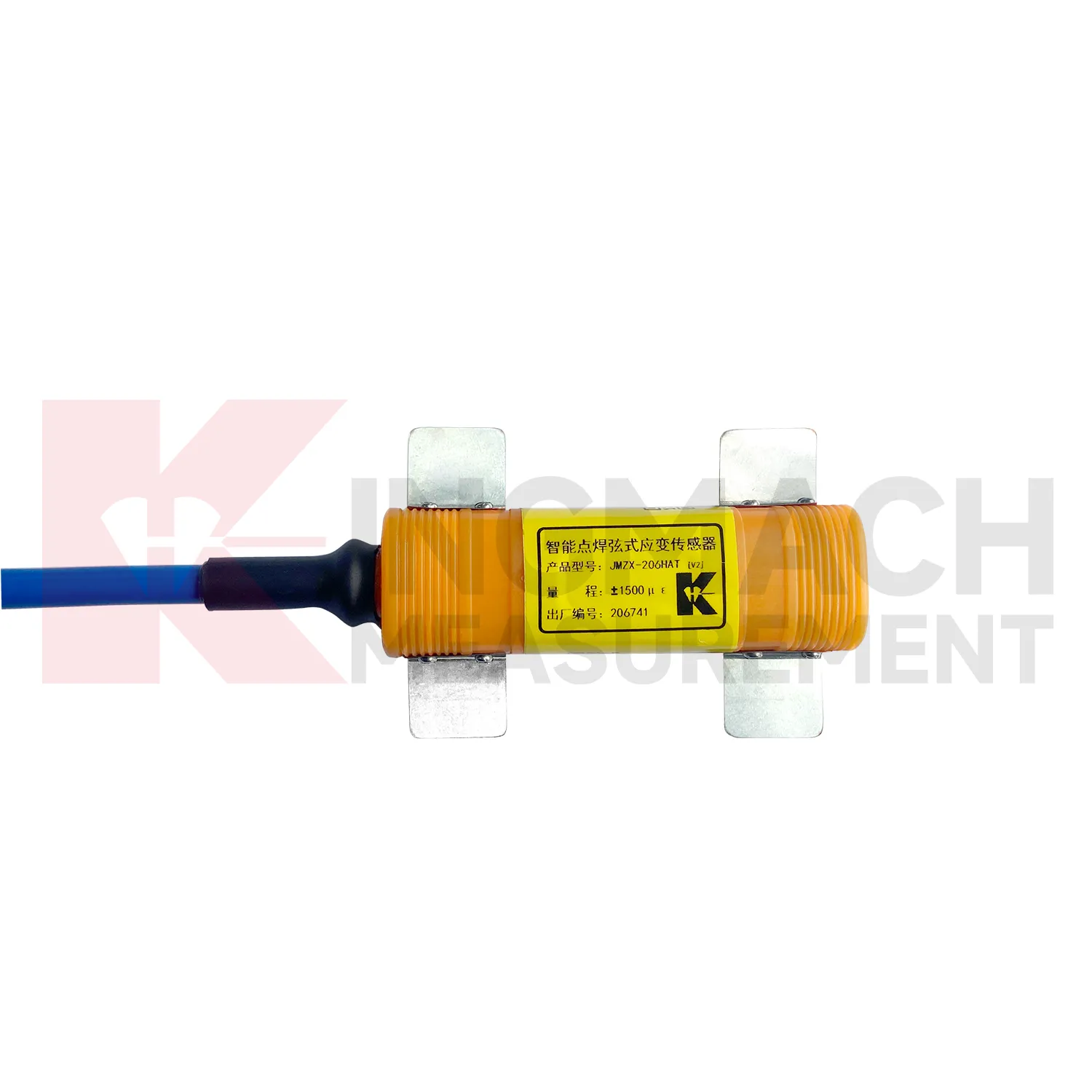
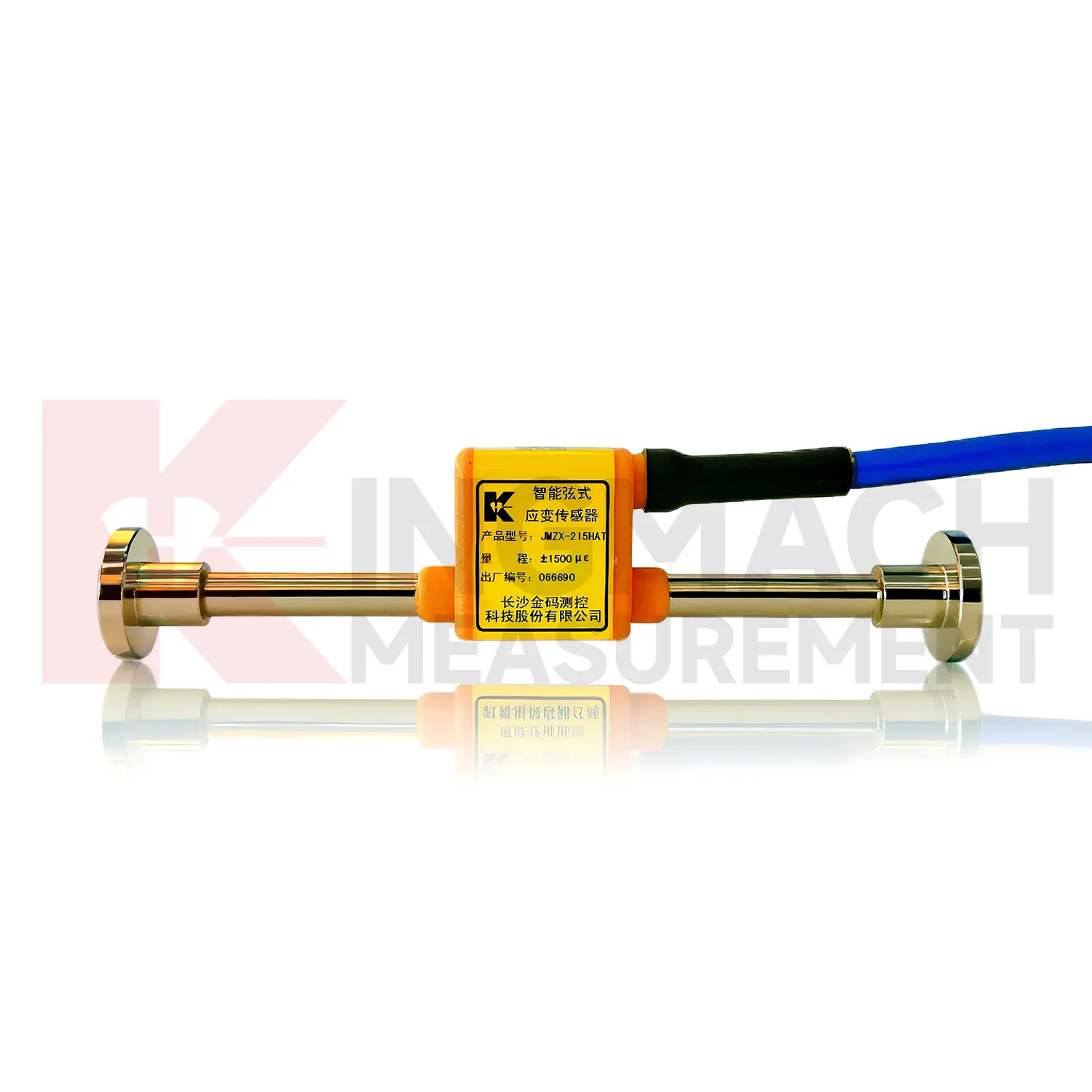
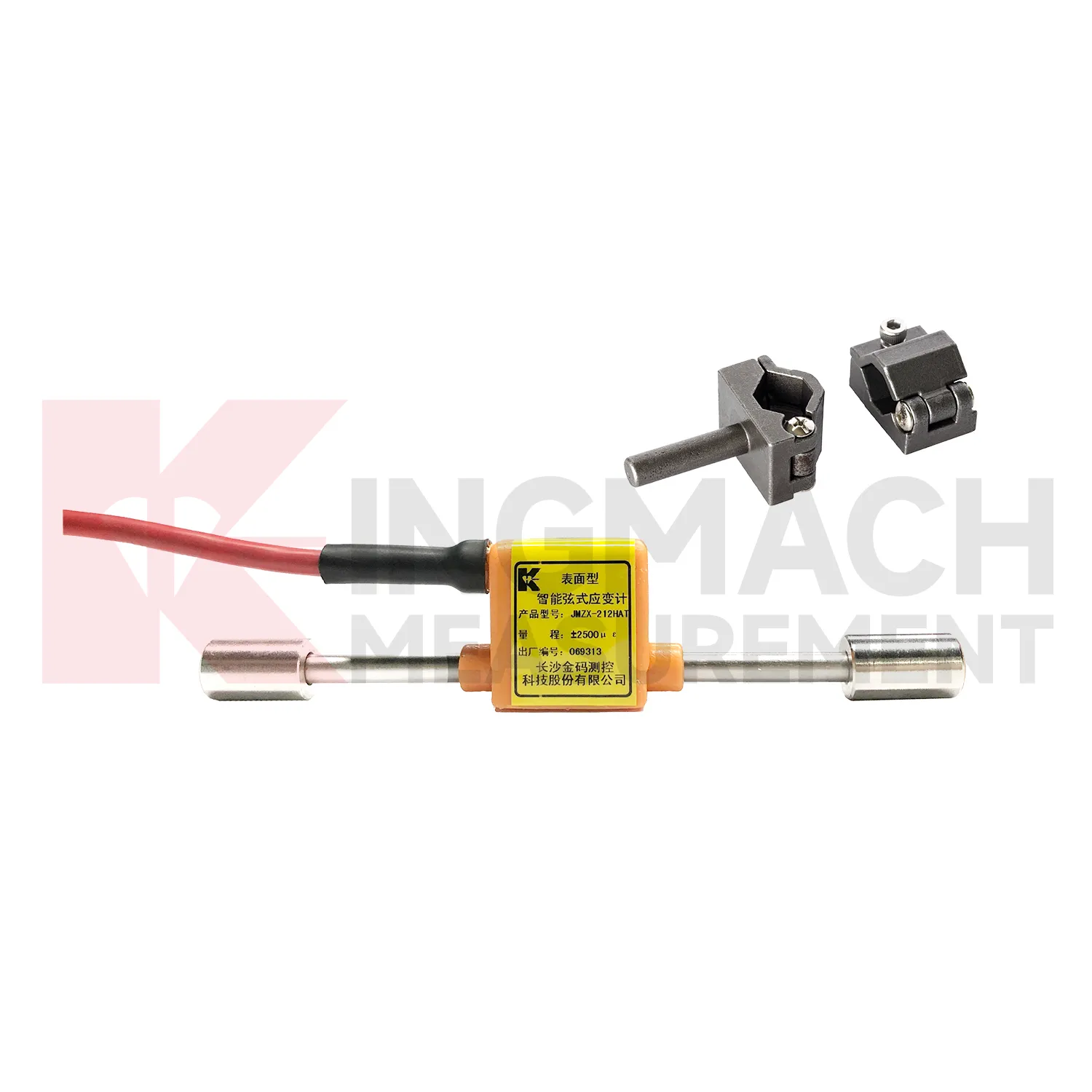
Kingmach {keyword} is built around vibrating wire measurement, a method widely used in long term civil engineering monitoring because frequency signals can travel over distance with good resistance to interference. In the JMZX strain gauge range, pulse excitation supports fast testing and stable steel wire vibration. The surface and embedded models both use sealed stainless steel structures and waterproof designs rated to 150 meters, while temperature versions measure the monitoring point temperature for correction. The JMZX-212HAT/HB surface model has a 129 mm gauge length, and the JMZX-215HA/215HAT/HB embedded model has a 146 mm gauge length. For steel structures, the JMZX-206HAT welded model adds digital detection and onboard storage of calibration coefficients. These details make the product group useful for bridges, dams, tunnels, rail systems, foundations, and other structures where readings must stay meaningful over many operating cycles. For long term structural health monitoring, the combination of vibrating wire output, waterproof construction, temperature correction, and automated acquisition compatibility is more important than a short feature list. It affects whether the data remains usable after seasons of field exposure. That is why model data, calibration values, and channel labels should travel with the product from procurement to commissioning. For field teams, those details also shape installation tools, spare cable length, readout selection, and protection work.
Application of strain-gauge sensor
In building structural health monitoring, {keyword} can be installed on columns, transfer beams, trusses, slabs, steel frames, and reinforced concrete members to observe stress changes under construction load, equipment load, settlement, wind, and long term service. Large stations, public buildings, and aging structures need this type of data because visible cracks may appear only after internal strain has already changed. Kingmach surface gauges provide ±2500 microstrain measurement with 0.1 microstrain resolution, while embedded models can be tied to rebar before concrete pouring to read internal strain and shrinkage. The optional temperature sensor supports correction across -40℃ to +120℃. For steel structures, the welded model's low height design helps reduce bending related strain error. These features support both construction stage monitoring and later maintenance review. The technical parameters support this use because the sensor must survive the structure's environment while still resolving small strain changes. Long term projects also need stable channel names, calibration records, and protected cable routes. This gives the project team a better way to separate normal behavior from a change that needs inspection. For field use, the strain point should be named, mapped, protected, and reviewed with nearby sensors before any alarm is judged. The same record can support staged construction control, post event inspection, and long term maintenance planning.
The future of strain-gauge sensor
In building and underground projects, {keyword} will become more closely tied to construction stage control. Excavation, concrete pouring, temporary support removal, and equipment installation all change strain behavior. Kingmach embedded gauges, rebar strainmeters, and welded gauges can feed readings into automated systems during each stage. Future platforms may connect those readings with BIM models or digital twin views, so engineers can see which member, brace, lining, or reinforcement cage is changing. This is where AI warning analysis can help, provided it uses site events and nearby sensor data rather than a blind alarm threshold. The product direction is clear: more context, better records, and faster field decisions. Digital twin adoption will also increase demand for strain readings that are tied to exact structural locations, not vague channel names or disconnected spreadsheets. The strongest gains will come from cleaner records and faster fault checks. Those improvements fit long term infrastructure monitoring better than one time testing.
Care & Maintenance of strain-gauge sensor
Care for {keyword} starts before the first reading. During installation, the surface or mounting point must be prepared according to the model: surface gauges need clean concrete or steel, embedded gauges must be tied securely to rebar or brackets before pouring, and JMZX-206HAT welded gauges require a polished 10 x 80 mm flat steel area for spot welding. Cable routing should avoid sharp edges, standing water, welding heat, and worker traffic. For long term use, check protective coating, cable glands, junction boxes, and channel labels during inspection. Kingmach vibrating wire models may include temperature correction, so the temperature channel should also be verified. Good early records make later drift or abnormal strain much easier to diagnose. During long term use, maintenance staff should keep the original installation photo, calibration sheet, baseline reading, and channel name together so later teams can understand any drift or sudden change. Keep these checks in the project log.
Kingmach strain-gauge sensor
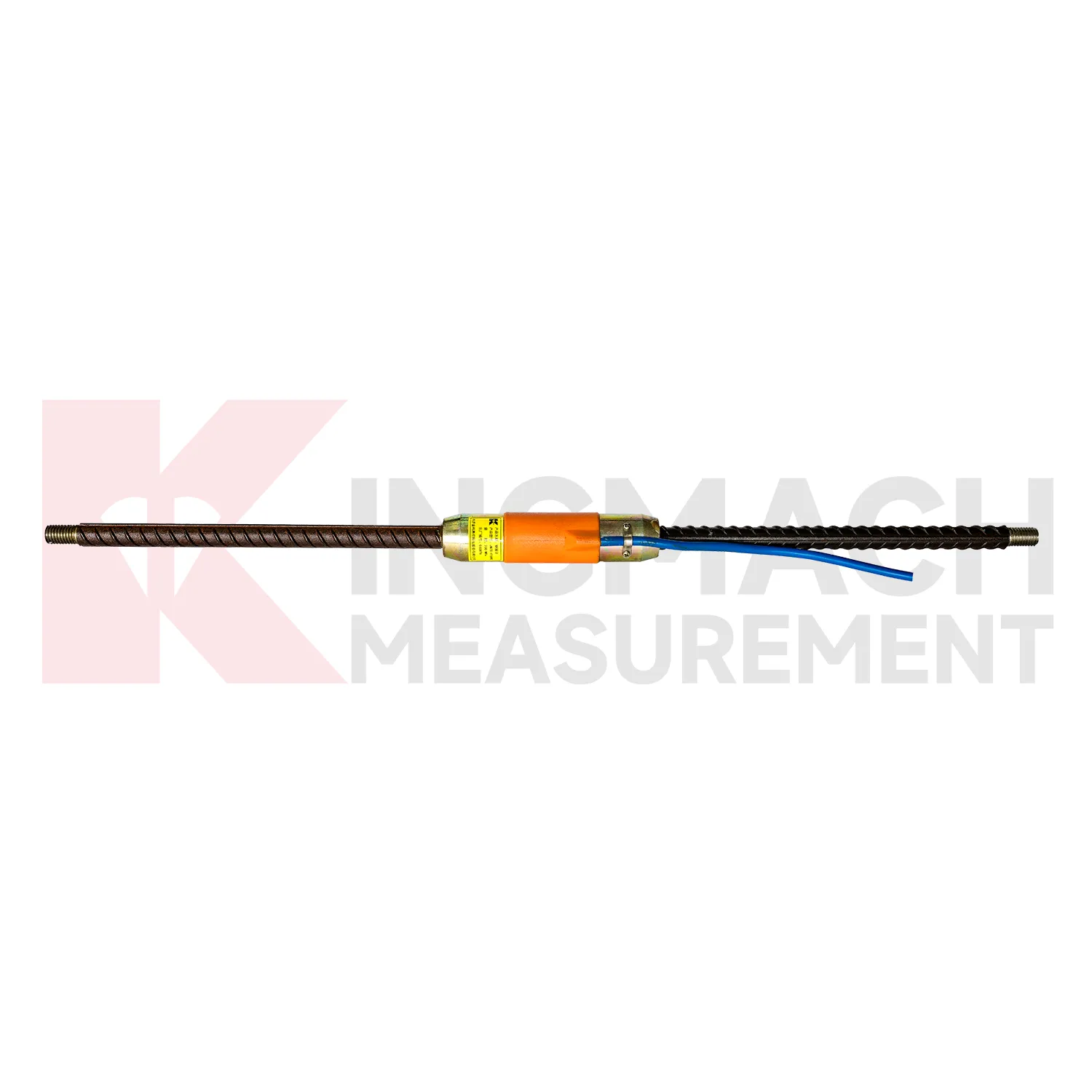
{keyword} is useful because strain is often the first language a loaded structure speaks. It may not show a crack, settlement mark, or visible deflection at the beginning, but the measured strain can already reveal how stress is moving through the member. Kingmach products such as JMZX-212HAT/HB surface models, JMZX-215HA/215HAT/HB embedded models, JMZX-206HAT welded models, and JMZX-4XXHAT/HB rebar strainmeters cover different installation conditions. That range allows engineers to monitor exposed concrete, internal reinforcement, welded steel surfaces, and rebar stress in reinforced concrete. The reading can support load testing, construction control, fatigue review, and long term structural health monitoring. This makes the product relevant to project owners who need early evidence of stress change before cracks, settlement, or unusual deflection become easier to see. The same data can guide inspection notes and repair timing. Site records matter. That field record supports later inspection. It also gives engineers a cleaner baseline for later comparison.
FAQ
Q: Where is {keyword} used in bridge monitoring?
A: It can be installed on girders, decks, steel beams, reinforcement, piers, and other stress sensitive locations to track traffic load and fatigue behavior.
Q: How does it help tunnel monitoring?
A: Embedded or welded gauges can read lining strain, support force, reinforcement stress, and ground pressure effects during construction and service.
Q: Can it be used in dams?
A: Yes. Embedded and surface models are used for concrete strain, stress state review, temperature related movement, and long term dam safety monitoring.
Q: Is it useful for foundation pits?
A: Yes. Rebar strainmeters and welded gauges can monitor support stress, anchor force changes, brace behavior, and retaining structure response.
Q: What other sensors are often used with it?
A: Displacement meters, settlement sensors, tiltmeters, piezometers, water level meters, accelerometers, and temperature sensors are often used together.
Reviews
Daniel Brown
Excellent environmental monitoring sensors. The data is consistent, and the system integrates smoothly with our existing setup.
Michael Anderson
The strain gauges and load cells are extremely accurate and stable. They performed very well in our bridge monitoring project. Highly recommended!
Latest Inquiries
To protect the privacy of our buyers, only public service email domains like Gmail, Yahoo, and MSN will be displayed. Additionally, only a limited portion of the inquiry content will be shown.
Emma***@gmail.comCanada
Dear Sir/Madam, we are interested in displacement transducers and settlement sensors for a geotechni...
Ava***@gmail.comAustralia
Hi, I am looking for reliable tiltmeters and accelerometers for structural health monitoring. Please...
Related product categories
- pressure strain gauge sensor
- strain gauge applications
- application of strain gauge in engineering
- strain gauge uses
- strain gauge weight measurement
- strain sensor applications
- strain gauge force sensors
- measurement of strain using strain gauge
- measuring strain with strain gauges
- force measurement using strain gauge
- high precision strain gauge sensor
- strain gauge high temperature force sensors