
 EN
 ar
 bg
 hr
 cs
 da
 nl
 fi
 fr
 de
 el
 hi
 it
 ko
 no
 pl
 pt
 ro
 ru
 es
 sv
 tl
 iw
 id
 lv
 lt
 sr
 sk
 sl
 uk
 vi
 et
 hu
 th
 tr
 fa
 ms
 hy
 ka
 ur
 bn
 mn
 ta
 kk
 uz
 ku

strain gauge adhesive
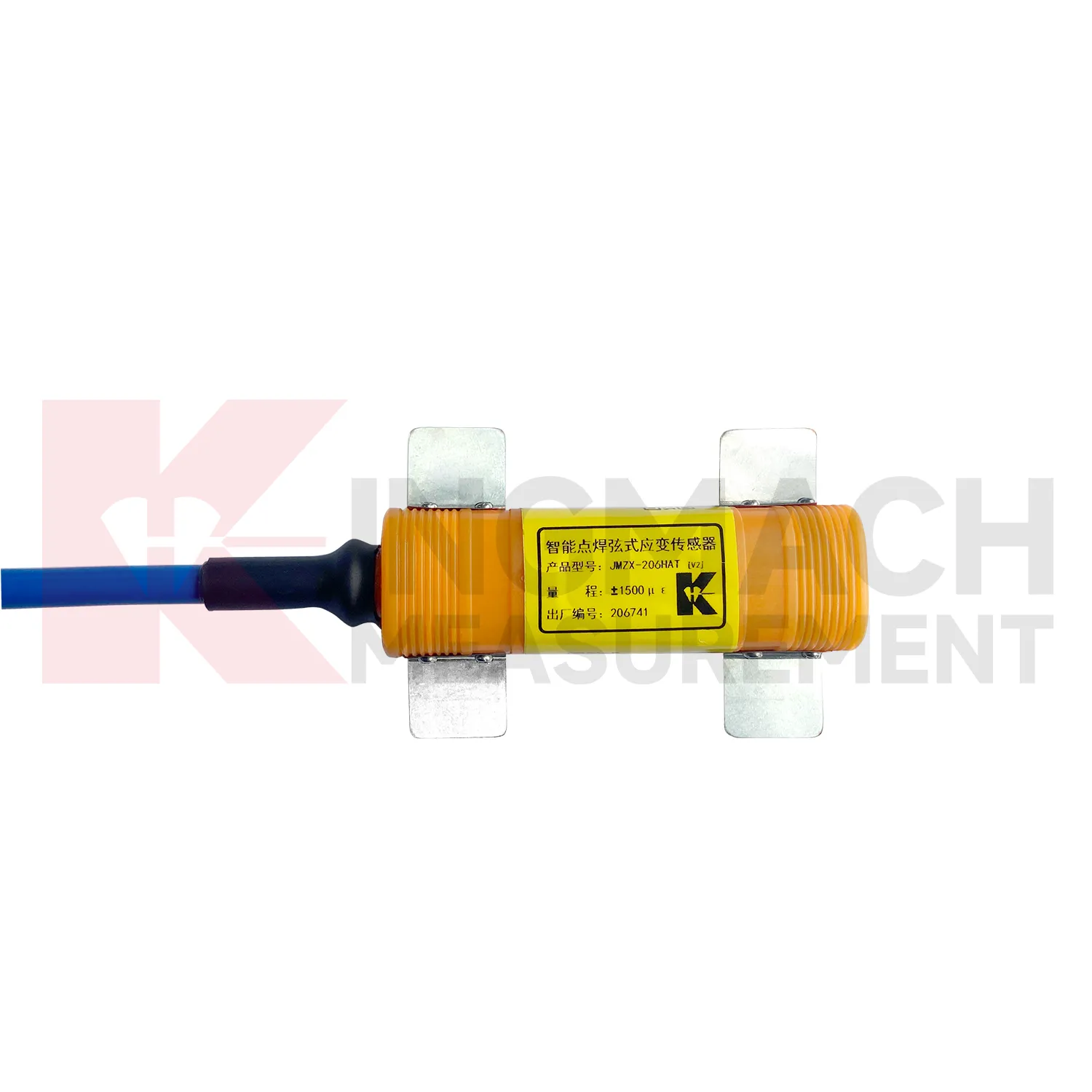
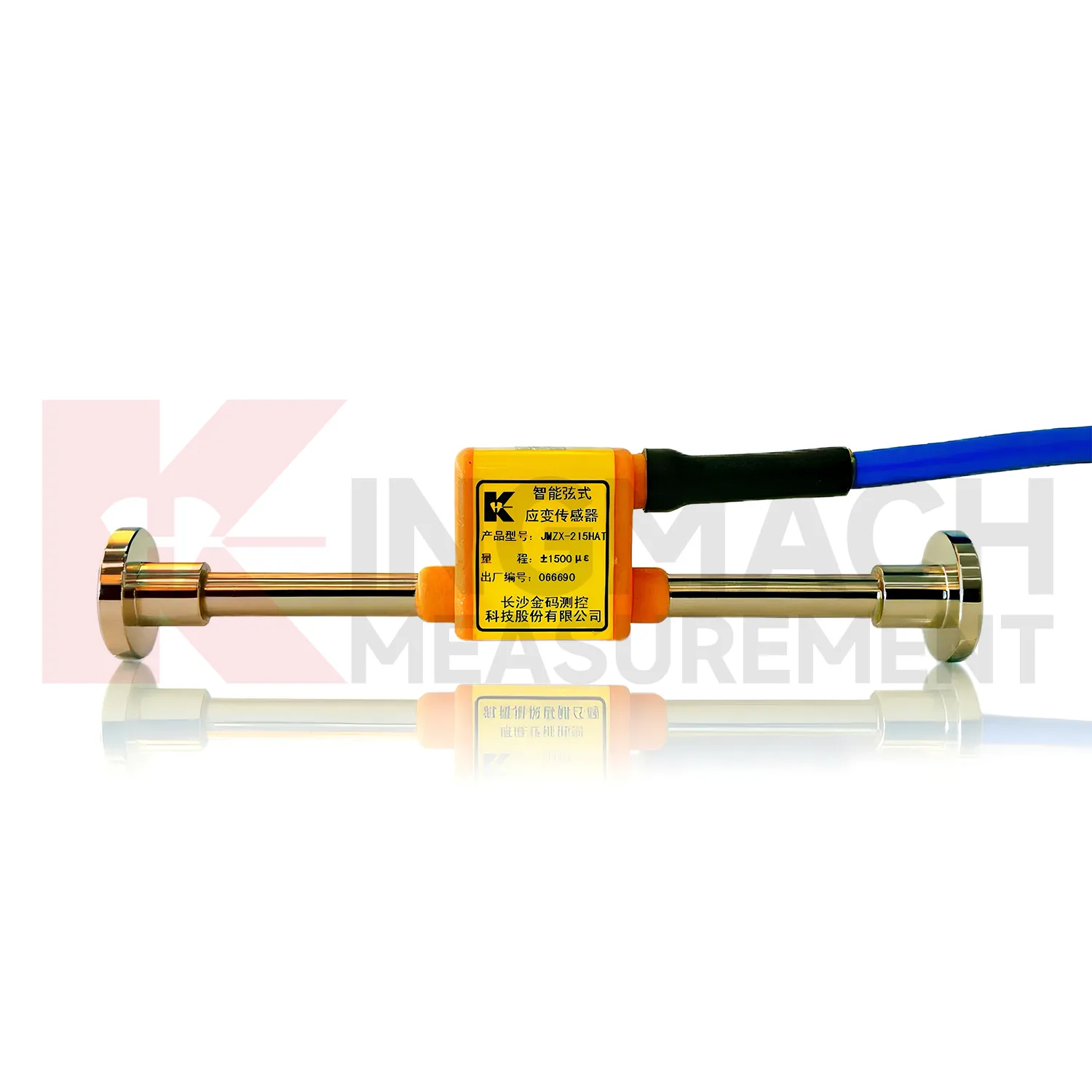
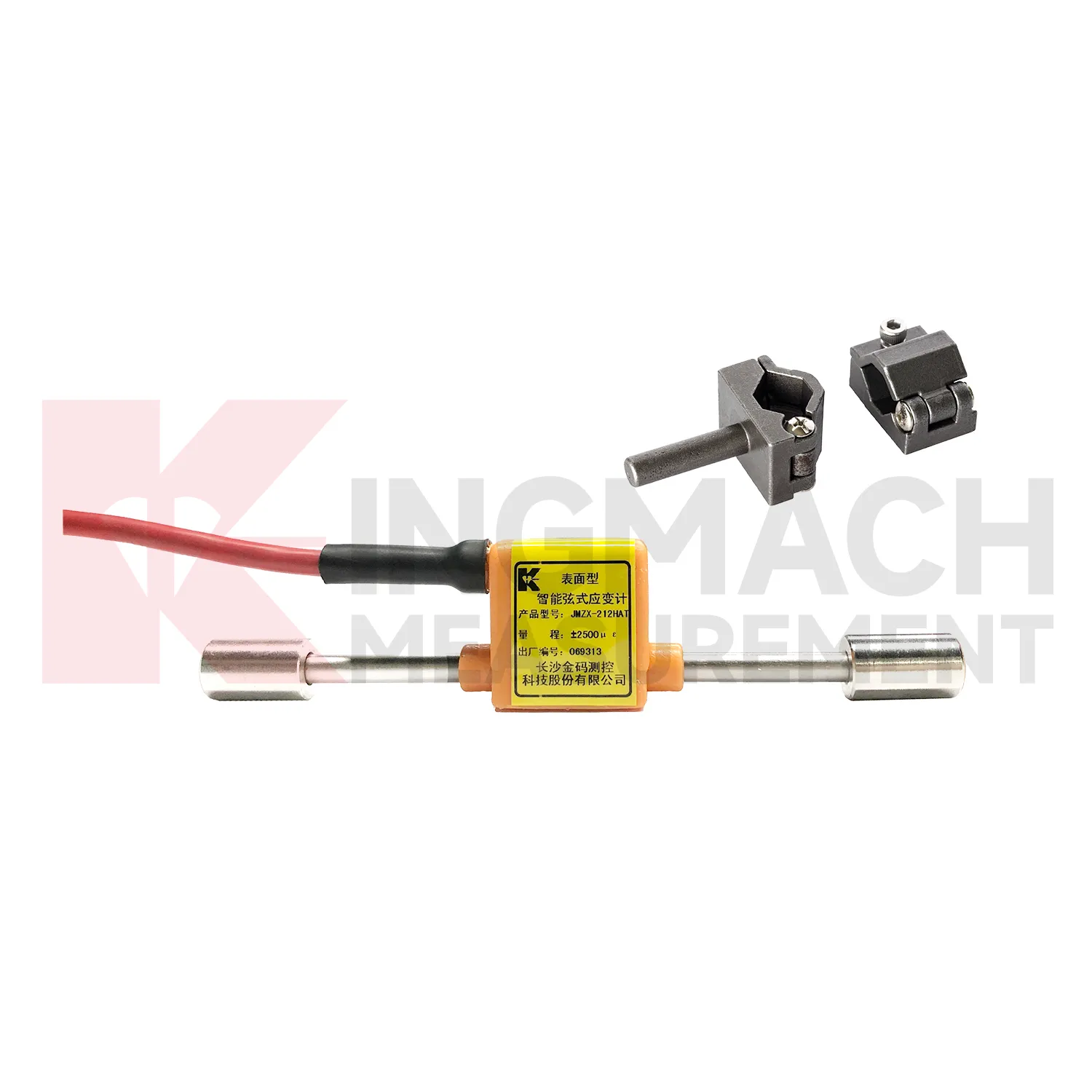
Kingmach {keyword} is built around vibrating wire measurement, a method widely used in long term civil engineering monitoring because frequency signals can travel over distance with good resistance to interference. In the JMZX strain gauge range, pulse excitation supports fast testing and stable steel wire vibration. The surface and embedded models both use sealed stainless steel structures and waterproof designs rated to 150 meters, while temperature versions measure the monitoring point temperature for correction. The JMZX-212HAT/HB surface model has a 129 mm gauge length, and the JMZX-215HA/215HAT/HB embedded model has a 146 mm gauge length. For steel structures, the JMZX-206HAT welded model adds digital detection and onboard storage of calibration coefficients. These details make the product group useful for bridges, dams, tunnels, rail systems, foundations, and other structures where readings must stay meaningful over many operating cycles. For long term structural health monitoring, the combination of vibrating wire output, waterproof construction, temperature correction, and automated acquisition compatibility is more important than a short feature list. It affects whether the data remains usable after seasons of field exposure. That is why model data, calibration values, and channel labels should travel with the product from procurement to commissioning. For field teams, those details also shape installation tools, spare cable length, readout selection, and protection work.
Application of strain gauge adhesive
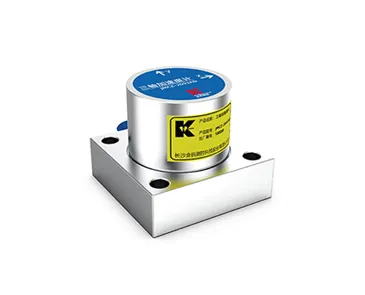
In wind tower and tall structure monitoring, {keyword} can be installed on tower bases, steel sections, concrete transition areas, reinforcement, and connection zones to track bending stress, fatigue, and wind induced strain. These structures face repeated load cycles, vibration, temperature variation, and difficult access after commissioning. Kingmach welded strain gauges provide digital detection, strong anti interference capability, and storage for model data, serial number, calibration coefficients, and up to 800 records. Surface gauges can also provide 0.1 microstrain resolution and optional temperature correction. When strain data is reviewed with accelerometer and tiltmeter readings, operators can see whether tower movement and stress remain within expected patterns. This supports maintenance scheduling and helps avoid relying only on periodic visual inspection. This application also benefits from Kingmach's wider monitoring catalog. Strain can be checked against settlement, tilt, displacement, crack, piezometer, water level, and vibration data to avoid reading one channel out of context. This gives the project team a better way to separate normal behavior from a change that needs inspection. For field use, the strain point should be named, mapped, protected, and reviewed with nearby sensors before any alarm is judged. The same record can support staged construction control, post event inspection, and long term maintenance planning.
The future of strain gauge adhesive
Standards and owner requirements are pushing {keyword} toward more traceable monitoring records. Kingmach strain gauge products reference standards such as GB/T 13606-2007, GBT 3408.2-2008, DL/T 1044-2022, SL 363-2006, and DL/T 1136-2022 across related models. As structural health monitoring specifications become more data driven, buyers will care more about calibration records, sensor identity, installation photos, channel naming, and long term data export. Digital twins will also need measured strain inputs that are consistent and time stamped. In that environment, the sensor is no longer just a component on a structure. It becomes a documented data source within a larger asset management record. As standards ask for more traceable structural monitoring, calibration data, model numbers, channel maps, and installation records will become part of the product value, not paperwork afterthoughts. It also makes sensor data easier to use in owner reports and maintenance meetings. The strongest gains will come from cleaner records and faster fault checks.
Care & Maintenance of strain gauge adhesive
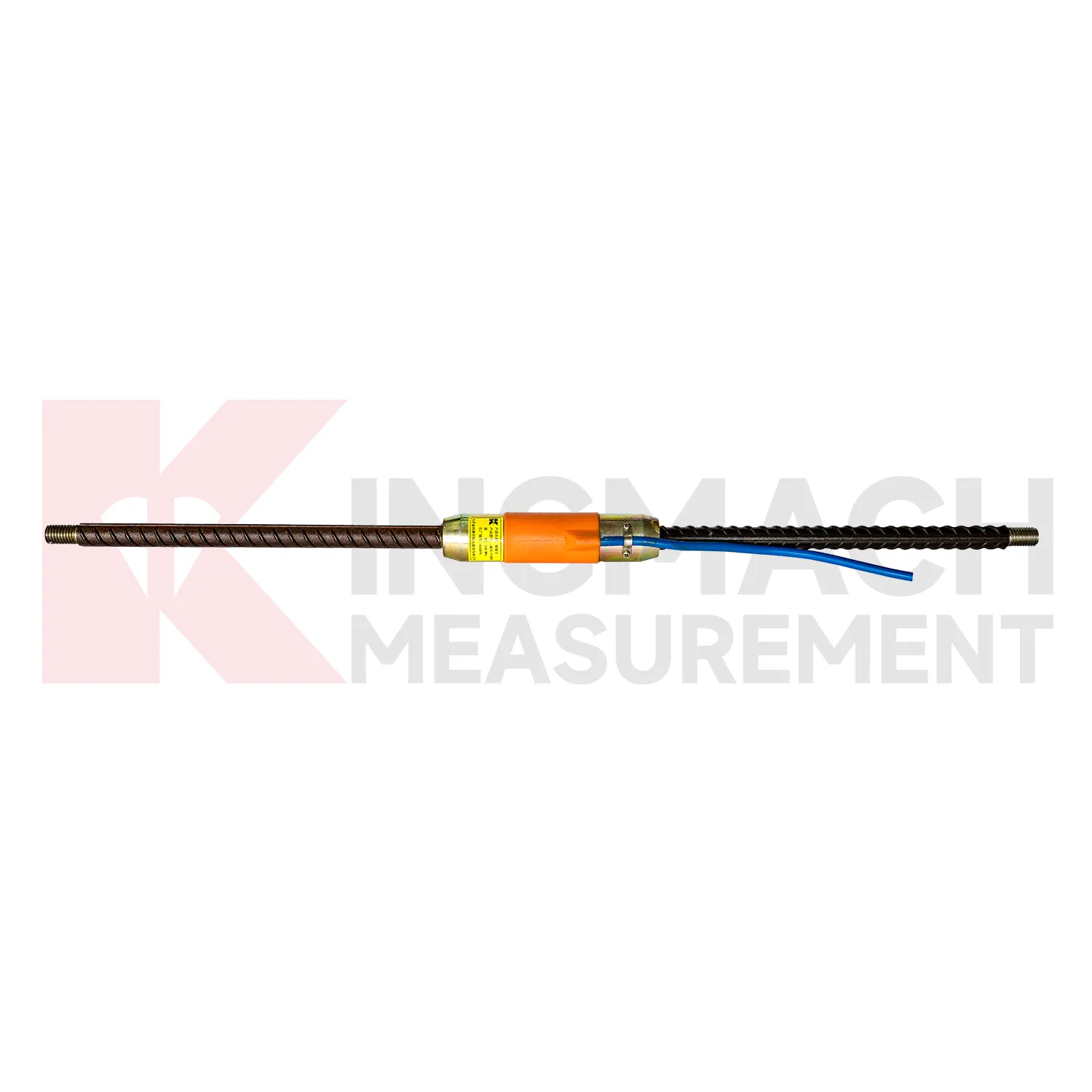
For rebar based {keyword}, installation should avoid weakening the reinforced concrete member. Kingmach JMZX-4XXHAT/HB rebar strainmeters are designed so the sensing section has strength matching the corresponding measured steel bar. During installation, confirm bar size, connection method, waterproof protection, and cable routing before the concrete pour. The model covers -200 MPa to 350 MPa with 0.1 MPa sensitivity and 0.5%F.S. accuracy. During long term use, maintenance teams should review stress trends together with concrete age, load changes, settlement, seepage, and temperature. If a channel drops out, check the junction box and cable continuity first because the embedded rebar section is usually not serviceable without structural work. These steps reduce avoidable service calls and help engineers separate real structural behavior from wiring faults, water ingress, acquisition errors, or temperature effects. Compare suspicious readings with nearby channels before repair decisions. Keep these checks in the project log.
Kingmach strain gauge adhesive
{keyword} helps turn the hidden movement of a loaded member into usable engineering data. A bridge girder may flex under traffic, a tunnel lining may respond to ground pressure, and a concrete foundation may shrink or creep during curing. These changes are small, but they matter. Kingmach strain monitoring products are built for this kind of work, with vibrating wire designs, smart acquisition compatibility, and models for surface, embedment, welded, and rebar installation. The same measurement logic also applies when strain readings feed meters, rosettes, load related sensors, or acquisition devices in one monitoring network. What matters is the measured relationship between material deformation and the record that guides inspection, maintenance, and safety review. Whether the monitored point is a vibrating wire sensor, rebar stress meter, or strain based force device, the purpose remains measured structural response. That field record supports later inspection.
FAQ
Q: How should {keyword} be maintained?
A: Inspect the sensor protection, cable route, junction boxes, seals, channel labels, and baseline trends. Compare readings with temperature and nearby sensors before judging an alarm.
Q: How often should calibration be checked?
A: Follow project requirements and review calibration before load tests, major construction stages, repair work, or when readings drift without a clear site reason.
Q: What causes unstable readings?
A: Common causes include loose wiring, water entry, damaged cable jackets, poor grounding, surface debonding, weak welds, wrong acquisition settings, and real structural movement.
Q: Can the sensor be replaced after embedment?
A: Usually not without structural work, so embedded gauges need careful installation, cable protection, and documentation before concrete is poured.
Q: What records should be kept?
A: Keep model, serial number, calibration coefficients, location, installation photos, cable route, channel name, baseline readings, and maintenance notes.
Reviews
Matthew Garcia
Instrumentation cables are durable and perform well even in harsh environments. Will definitely order again.
Michael Anderson
The strain gauges and load cells are extremely accurate and stable. They performed very well in our bridge monitoring project. Highly recommended!
Latest Inquiries
To protect the privacy of our buyers, only public service email domains like Gmail, Yahoo, and MSN will be displayed. Additionally, only a limited portion of the inquiry content will be shown.
Olivia***@gmail.comUnited States
Hello, we are currently sourcing high-precision strain gauges and load cells for a bridge monitoring...
Mia***@gmail.comNetherlands
Dear team, we are interested in your readouts & data loggers compatible with multiple sensors. Do yo...
Related product categories
- strain sensors manufacturers
- surface strain sensor market
- wholesale strain gauge weight sensor
- strain gauge calibration
- strain gauge measurement
- strain gauge for weight measurement
- strain gauge pressure sensors
- strain gauge application
- strain gauge sensor application
- strain gauge sensor types
- strain gauge vibration sensor
- strain gauge weight sensor