
 EN
 ar
 bg
 hr
 cs
 da
 nl
 fi
 fr
 de
 el
 hi
 it
 ko
 no
 pl
 pt
 ro
 ru
 es
 sv
 tl
 iw
 id
 lv
 lt
 sr
 sk
 sl
 uk
 vi
 et
 hu
 th
 tr
 fa
 ms
 hy
 ka
 ur
 bn
 mn
 ta
 kk
 uz
 ku

Smart Weir Flow Meter
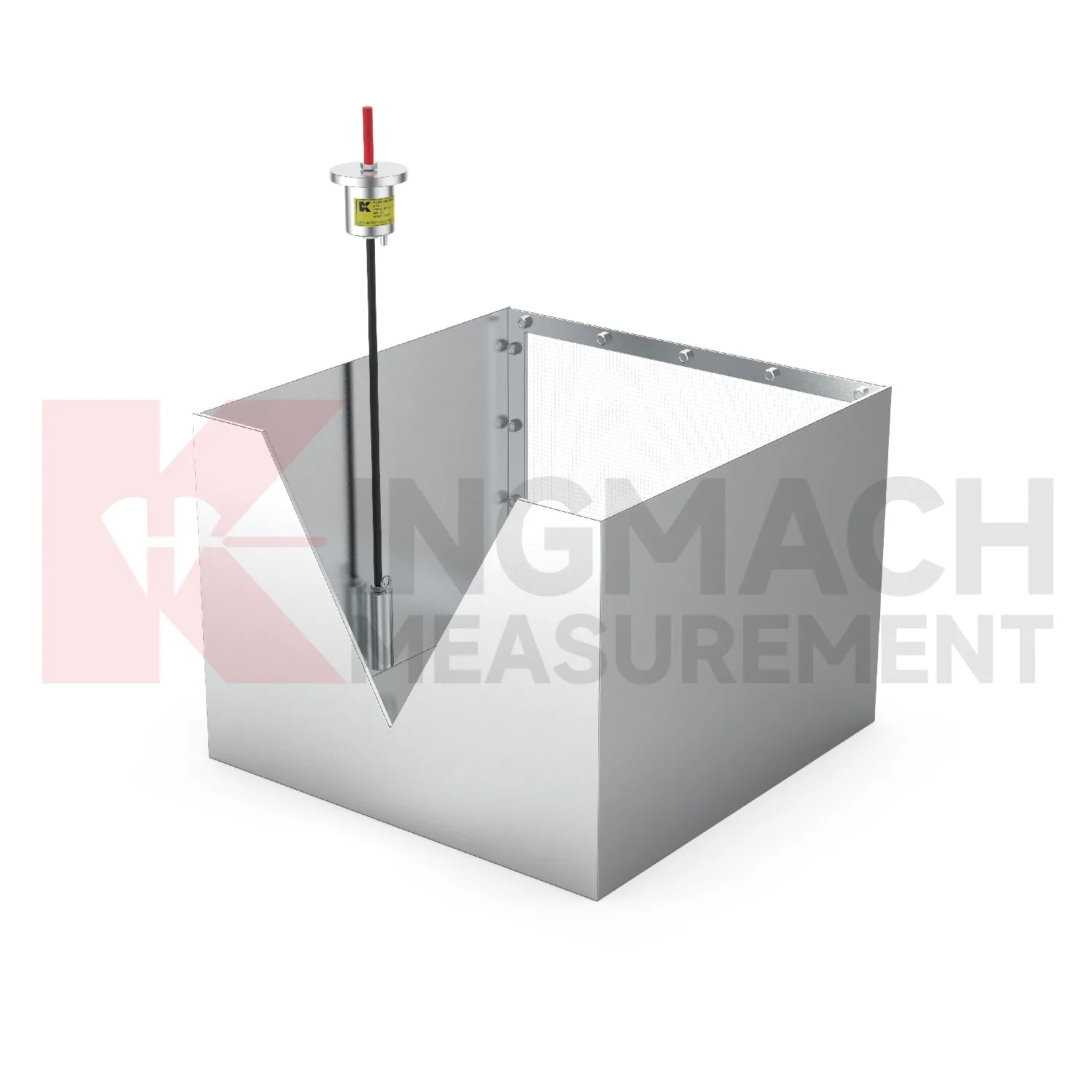
The automatic data path for Kingmach Smart Weir Flow Meter should be planned before the site is closed or flooded. Flow records need clear time stamps, stable communication, correct units, and a point name that matches the physical channel. If a project has more than one weir point, the names should identify the structure, flow direction, and purpose. The data platform should allow operators to see normal patterns, storm response, maintenance effects, and abnormal events without guessing which point they are reviewing. A clean data path also helps when flow is compared with rainfall, water level, seepage, or gate operation. Good acquisition planning makes the measurement easier to trust and easier to use in daily operation. The strongest flow reports are written around decisions. They show whether to keep observing, clean the channel, inspect upstream conditions, check downstream backwater, or compare the point with another water-level or rainfall record. A weir point also needs safe routine access. If staff cannot reach the crest, enclosure, or sensing area during wet weather, the project may collect data but struggle to maintain confidence in it when the record is most important. Designers, operators, maintenance staff, and owners may read the same curve, so the record needs clear site conditions, inspection notes, and action history in plain engineering language.
Application of Smart Weir Flow Meter
Irrigation and agricultural water management can use Kingmach Smart Weir Flow Meter to track delivery through branches, small channels, and controlled measuring points. In these settings, the main question is often not only total flow, but whether the timing and distribution match the operating plan. A flow record can be reviewed with irrigation schedules, rainfall, soil wetness, crop zone demand, and manual field observations. The weir point should be placed where water approaches smoothly and where maintenance staff can clean debris or vegetation. If the record shows gradual decline, the team can check sediment, channel growth, or upstream control. If it shows sudden change, gate movement or operating adjustment may be involved. This makes flow monitoring part of water-use discipline. For irrigation managers, the record should support allocation fairness and field timing. A branch that receives water late, a tail-end area with weak delivery, or a channel that loses capacity after vegetation growth can be identified more clearly when flow history is available. The same data can guide gate timing, cleaning work, seasonal planning, and discussion between upstream and downstream users. Clear site notes help keep the record trusted during busy irrigation periods. When disputes arise, the dated channel record gives all parties a common technical reference.
The future of Smart Weir Flow Meter
Compatibility will remain important for future Kingmach Smart Weir Flow Meter. A flow point needs a physical measuring section, water head record, enclosure, power, communication, platform channel, and maintenance route. If these parts are not planned together, the site may produce data but remain difficult to operate. Future specifications should describe the workflow: how data is collected, how alarms are reviewed, how cleaning is recorded, and how flow is compared with related site conditions. This workflow view is more useful than naming hardware alone. It helps owners keep the measurement working through installation, operation, repair, and handover. The next generation of projects will also need cleaner links between field staff and office reviewers. A technician should be able to attach notes, photos, access issues, and cleaning records to the same monitoring point that engineers use for reporting. That shared record reduces confusion when equipment, platform settings, or site responsibilities change over time.
Care & Maintenance of Smart Weir Flow Meter
Backwater and downstream conditions can affect Kingmach Smart Weir Flow Meter records. A weir point assumes that the control section represents the intended relationship between water head and discharge. If downstream water rises, debris blocks the outlet, or channel work creates partial submergence, the recorded level may no longer describe normal open-channel behavior. Maintenance teams should inspect the outlet reach with the same care as the upstream approach. Reports should note flooding, gate operation, temporary pumping, silt deposits, weed growth, or repair work near the discharge path. This wider inspection prevents staff from treating every unusual reading as an instrument fault. A practical review can compare the timing of level changes with rainfall logs, pump schedules, site photographs, and operator notes. When the surrounding hydraulic condition has changed, the record should be kept with a clear explanation before any long-term trend, alarm history, or monthly flow total is interpreted for operating decisions. Clear notes reduce repeated site visits.
Kingmach Smart Weir Flow Meter
A strong Kingmach Smart Weir Flow Meter record supports more than one team. Designers may care about hydraulic behavior, operators may care about regulation, maintenance staff may care about debris and cleaning, and owners may care about water accounting and risk. The record is easier to use when it states where the water passes, how the head is read, what can disturb the flow, and how the data supports decisions. Avoiding product and parameter lists makes the message clearer. The buyer needs to understand how the measurement will work in the channel, not memorize a specification table. A weir point also needs safe routine access. If staff cannot reach the crest, enclosure, or sensing area during wet weather, the project may collect data but struggle to maintain confidence in it when the record is most important. Designers, operators, maintenance staff, and owners may read the same curve, so the record needs clear site conditions, inspection notes, and action history in plain engineering language.
FAQ
Q: What is Kingmach Smart Weir Flow Meter used for?
A: It is used to measure open-channel flow by reading water head at a controlled weir section and turning that change into a repeatable flow record.
Q: Where can it be applied?
A: It can support water conservancy, drainage, irrigation, tunnel discharge, dam drainage, construction runoff, industrial water channels, and water resource management.
Q: Why use a weir for flow monitoring?
A: A weir creates a stable hydraulic control section, making it easier to compare flow behavior over time when the channel is maintained properly.
Q: What makes the record useful?
A: A useful record links flow with site events such as rainfall, gate operation, cleaning, seepage, pump activity, or inspection findings.
Q: Should the meter be treated as a standalone device?
A: No. It should be treated as a measuring point that includes the channel, weir crest, water head reference, data path, and maintenance access. Maintenance teams need a record that tells them where to look. If a curve drops slowly, cleaning and sediment checks may come first. If it rises suddenly during dry conditions, upstream operation or a changed drainage path may deserve attention.
Reviews
James Thompson
The tiltmeters and accelerometers are very sensitive and provide precise data. Perfect for our structural health monitoring system.
Daniel Brown
Excellent environmental monitoring sensors. The data is consistent, and the system integrates smoothly with our existing setup.
Latest Inquiries
To protect the privacy of our buyers, only public service email domains like Gmail, Yahoo, and MSN will be displayed. Additionally, only a limited portion of the inquiry content will be shown.
Harper***@gmail.comIndia
Dear Sir, we are planning to procure a complete monitoring system including strain gauges, tiltmeter...
Emma***@gmail.comCanada
Dear Sir/Madam, we are interested in displacement transducers and settlement sensors for a geotechni...
Related product categories
- Intelligent Weir Flow Meter
- Smart Weir Flow Meter
- weir flow meter
- weir type flow meter
- weir flow meter Price
- weir flow meter Manufacturer
- weir flow meter Supplier
- weir flow meter Solution
- weir flow meter System Integration
- weir flow meter Localization
- weir flow meter Domestic Manufacturing
- weir flow meter China