
 EN
EN
 ar
ar bg
bg hr
hr cs
cs da
da nl
nl fi
fi fr
fr de
de el
el hi
hi it
it ko
ko no
no pl
pl pt
pt ro
ro ru
ru es
es sv
sv tl
tl iw
iw id
id lv
lv lt
lt sr
sr sk
sk sl
sl uk
uk vi
vi et
et hu
hu th
th tr
tr fa
fa ms
ms hy
hy ka
ka ur
ur bn
bn mn
mn ta
ta kk
kk uz
uz ku
ku
Doublelayer Shielded Test Cable
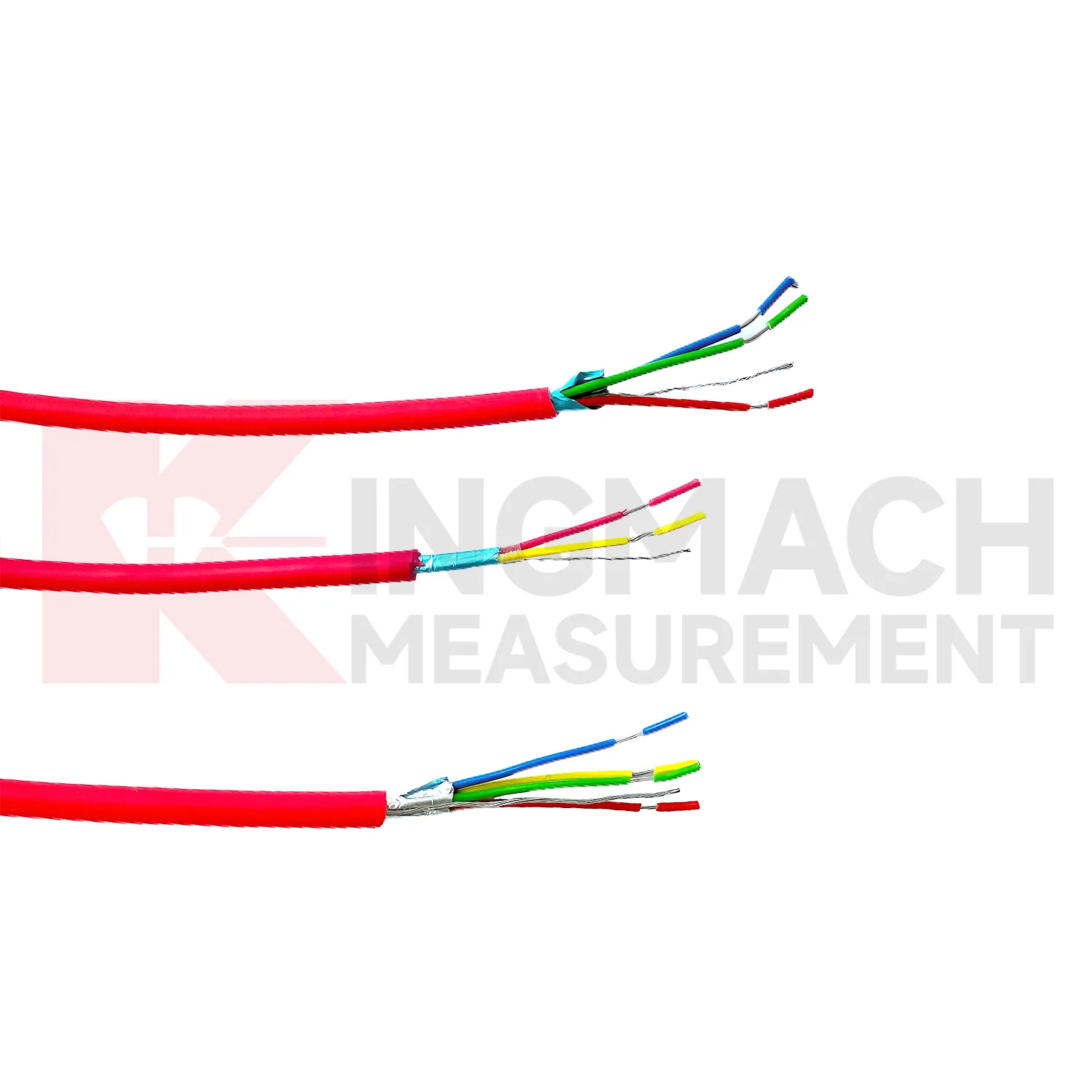
The JMZX-XPX test dedicated shielded wire is built for measurement tasks where the signal path passes through electrically busy work areas. Its composite shielding helps resist EMI and RFI, while high insulation and pressure resistance support precise sensor transmission in harsh environments. This makes it useful during commissioning, temporary testing, cabinet-to-sensor wiring, and routes near pumps, motors, welding areas, or power cabinets. The important feature is not length alone; it is the ability to keep a weak measurement channel readable when the surrounding site is noisy.
Application of Doublelayer Shielded Test Cable
Slope monitoring uses Kingmach Doublelayer Shielded Test Cable to carry signals from displacement, settlement, pore pressure, rainfall, and inclination instruments back to acquisition equipment. Field routes may cross open ground, drainage ditches, retaining structures, or equipment boxes exposed to weather. A cable with waterproof, moisture-proof, and wear-resistant behavior helps reduce failures caused by rain, soil movement, route damage, or repeated maintenance access. When cable records are linked to sensor IDs and drawing locations, engineers can identify whether a reading change is related to ground behavior or a damaged route.
The future of Doublelayer Shielded Test Cable
More modular monitoring systems will make Kingmach Doublelayer Shielded Test Cable part of faster deployment work. Field teams may assemble sensor kits, acquisition boxes, and cable sets before arriving on site. Standard core formats and clear delivery lengths can reduce installation errors when time is limited. A pre-planned cable set also helps teams repeat a successful layout across similar bridges, pits, tunnels, or hydraulic structures. The result is a cleaner start-up process and fewer delays during commissioning.
Care & Maintenance of Doublelayer Shielded Test Cable
Before installing Kingmach Doublelayer Shielded Test Cable, confirm the route, core count, cable model, wet exposure, interference sources, bending points, and cabinet entry method. JMZX-XPX is suitable when shielded signal transmission is the priority, while JMZX-XSX should be considered where hydraulic, humid, or underwater conditions add sealing and tensile demands. Do not let the final route be decided only after workers arrive on site. A short pre-installation review prevents cable shortages, wrong core use, poor conduit placement, and rushed terminations that later create unstable readings.
Kingmach Doublelayer Shielded Test Cable
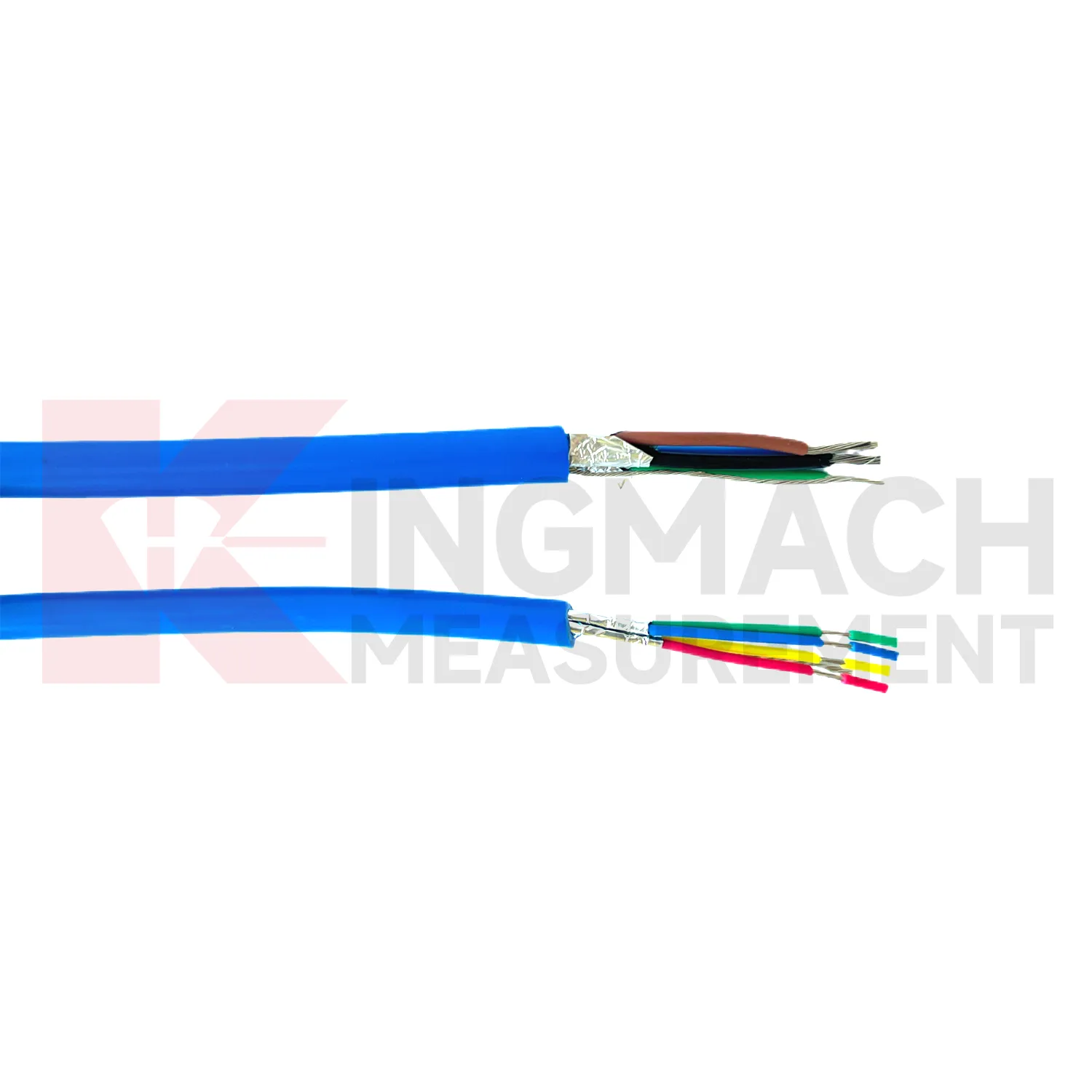
A reliable monitoring chain needs Kingmach Doublelayer Shielded Test Cable because sensor signals often travel through harsh physical zones before reaching a recorder. The cable may cross a bridge deck, run along a tunnel wall, pass through a wet gallery, sit near a pump room, or bend into a sealed cabinet. Each section adds risk: abrasion, pulling force, water entry, electromagnetic noise, or accidental damage during maintenance work. JMZX-XPX focuses on low-loss shielded transmission for precise testing. JMZX-XSX focuses on hydraulic environments where pressure resistance, tensile strength, and water resistance carry more weight. Matching those roles keeps field data closer to the real sensor output.
FAQ
Q: Which core counts are available?
A: The listed options include two-core, three-core, four-core, six-core, seven-core, nine-core, and ten-core versions.
Q: What delivery lengths are shown in the local product data?
A: Two-core to four-core versions are listed as 2 m per piece, while six-core to ten-core versions are listed as 6 m per piece.
Q: Why does shielding matter?
A: Shielding helps reduce electrical interference so weak sensor signals can reach the recorder with less noise.
Q: Why does water resistance matter?
A: Wet cable sections can cause unstable readings or equipment faults if insulation, sealing, and terminations are not handled correctly.
Q: Can the cables be used with different Kingmach instruments?
A: Yes. The category is described as compatible with various monitoring instruments and supports installation, maintenance, and upgrades.
Reviews
Joshua Clark
We ordered a full monitoring solution including sensors and data loggers. Everything works seamlessly together. Great supplier!
Michael Anderson
The strain gauges and load cells are extremely accurate and stable. They performed very well in our bridge monitoring project. Highly recommended!
Latest Inquiries
To protect the privacy of our buyers, only public service email domains like Gmail, Yahoo, and MSN will be displayed. Additionally, only a limited portion of the inquiry content will be shown.
Mia***@gmail.comNetherlands
Dear team, we are interested in your readouts & data loggers compatible with multiple sensors. Do yo...
Olivia***@gmail.comUnited States
Hello, we are currently sourcing high-precision strain gauges and load cells for a bridge monitoring...